
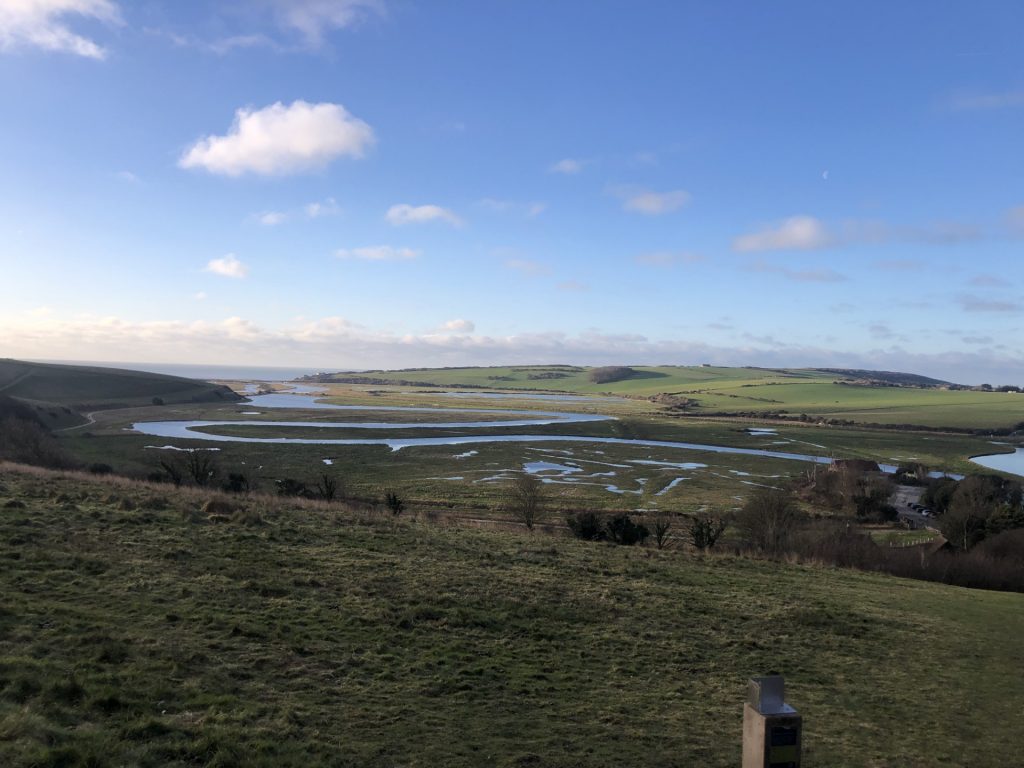
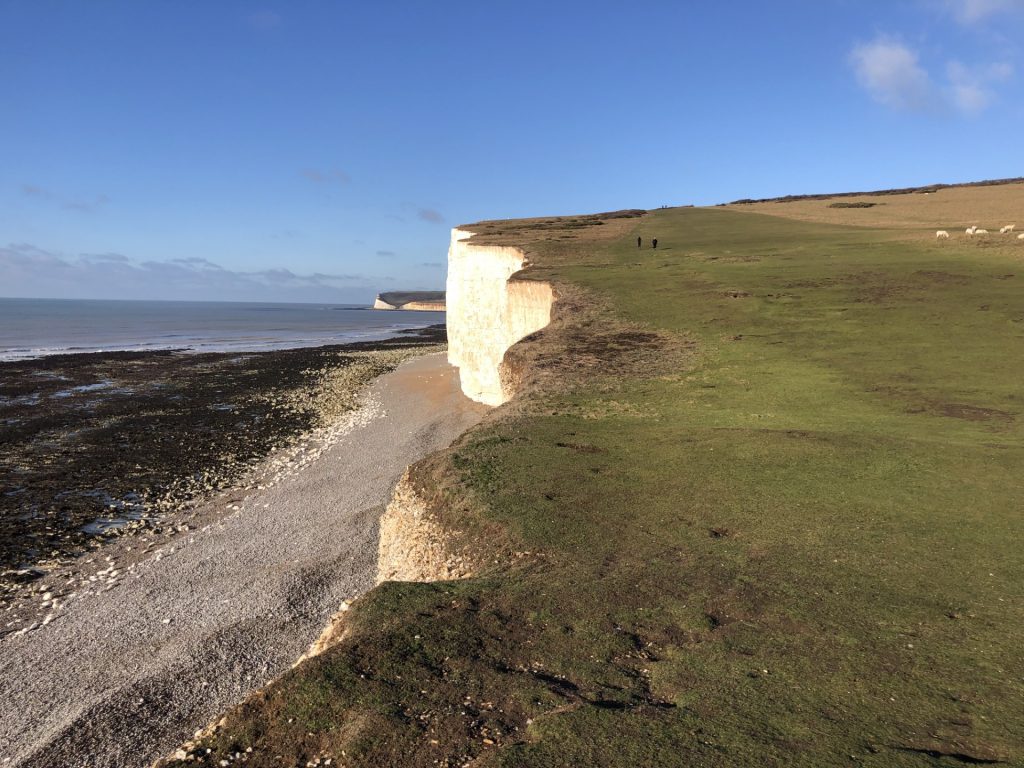
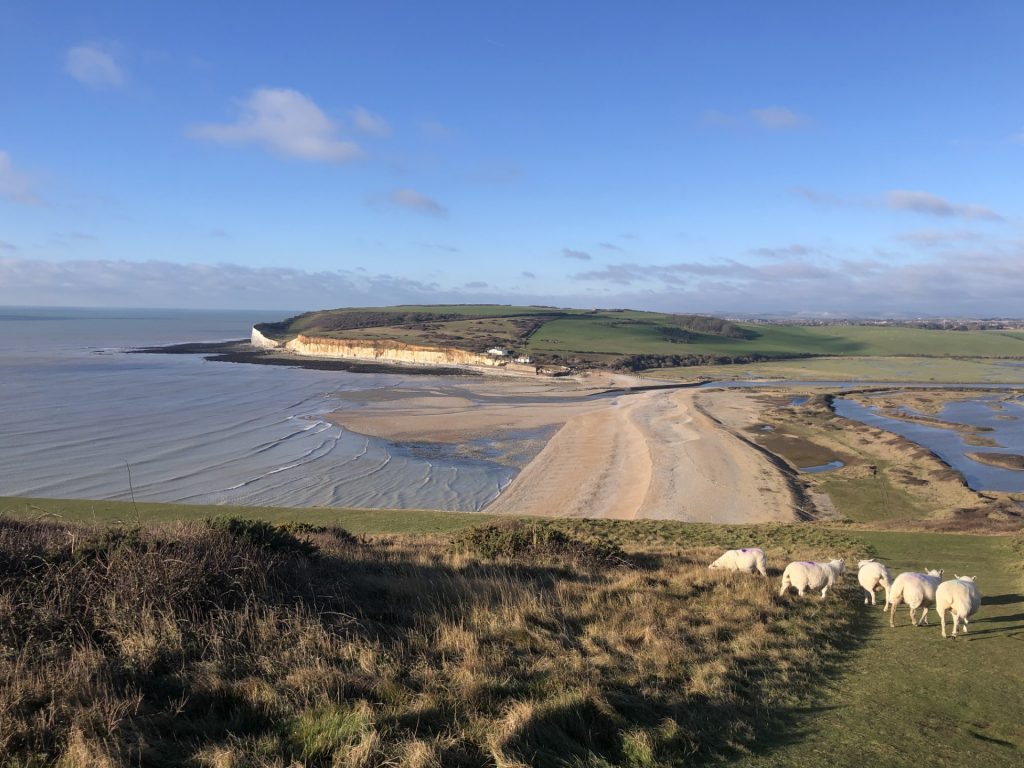
Seven Sisters & Cuckmere Valley
The year began with an invigorating walk on a crisp January morning. We set off from the Cuckmere Valley car park and climbed steadily up Exceat Hill, before winding our way through West Dene and into the quiet, mossy depths of Friston Forest. From there, the path rose again towards Friston village, where we crossed the road by the church and continued on towards the coast.
Reaching the clifftops, the landscape opened dramatically into the iconic sweep of the Seven Sisters. We turned west along the coastline, tackling a series of slippery descents and steep climbs, each one rewarded with ever‑changing views across sea, sky and chalk. Eventually we dropped back into the Cuckmere Valley and followed the gentle curve of the oxbow river all the way to the car.
It’s a superb route that captures the very best of the Sussex countryside: rolling chalk downland, peaceful ancient woodland, characterful hamlets with historic churches, and one of the most spectacular coastlines in Britain.
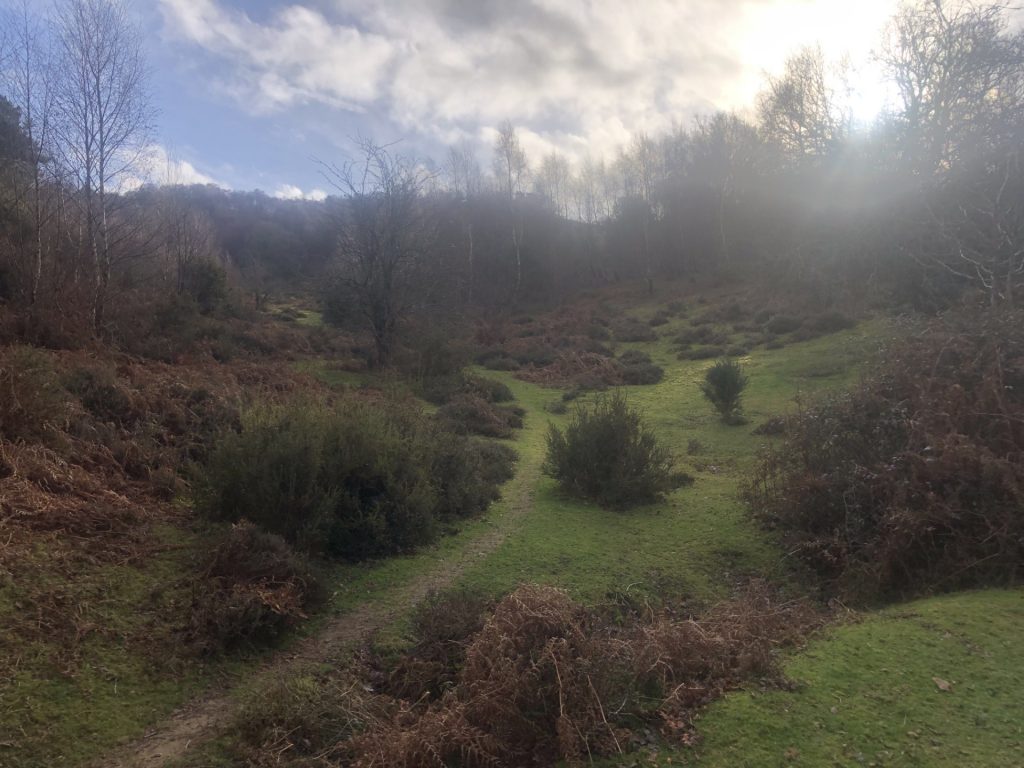
Devil’s Punch Bowl
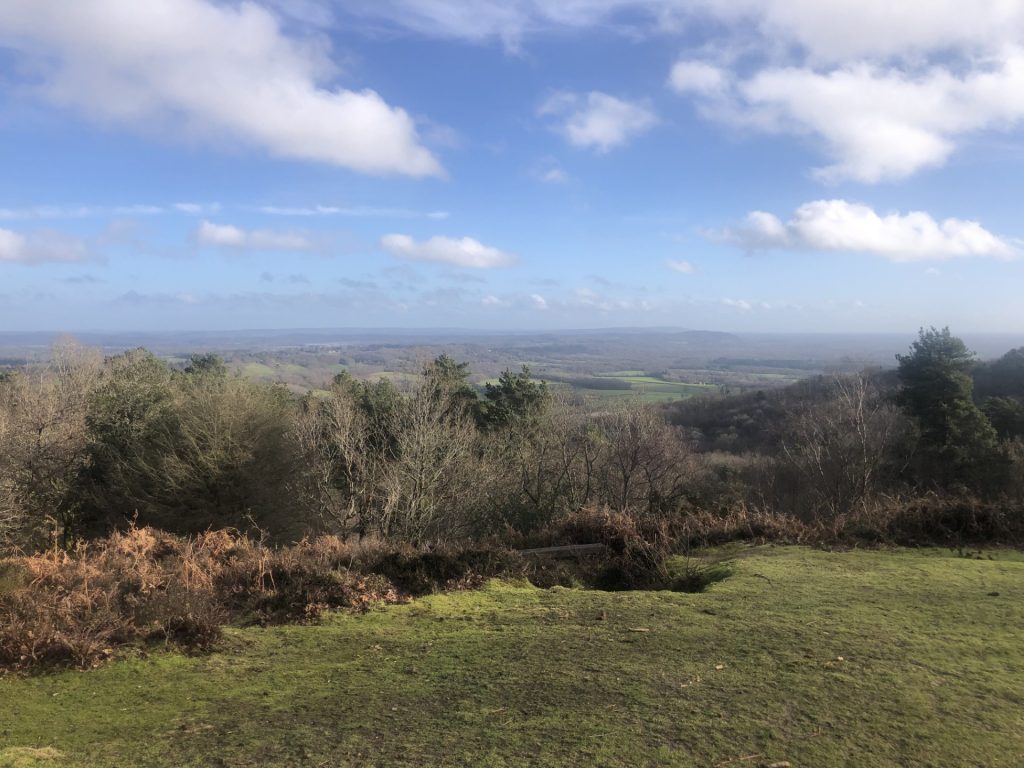
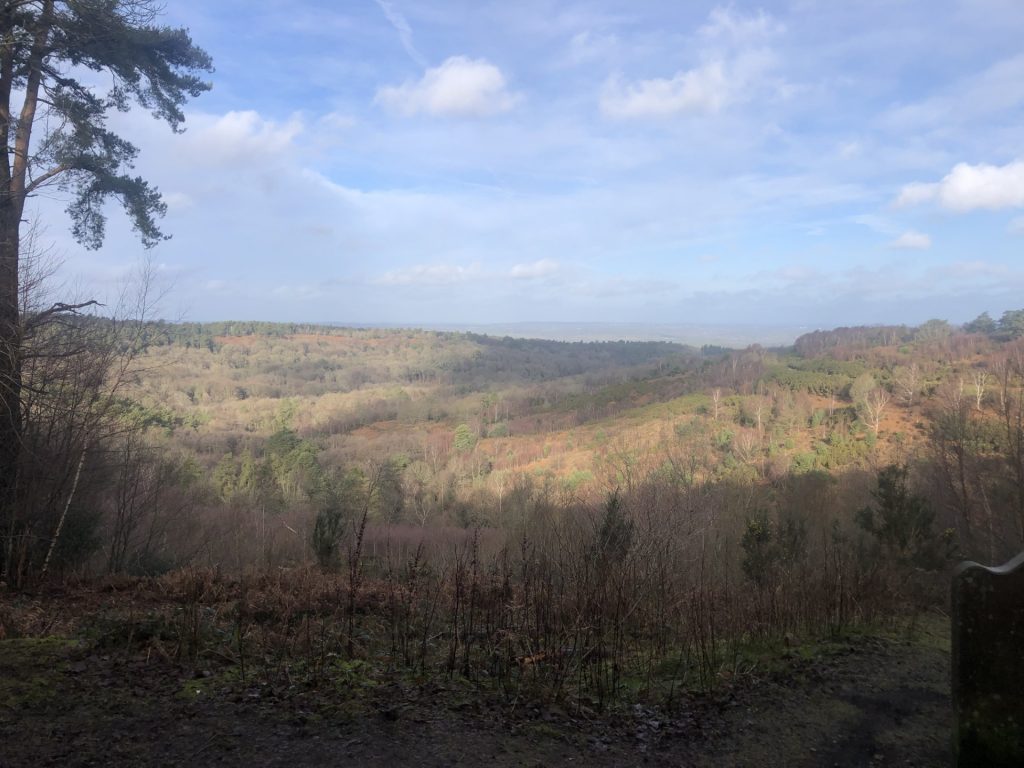
A January walk around the vast natural amphitheatre of the Devil’s Punch Bowl, its sweeping views opening up along the high ridgeline paths. One moment looking across a deep, ancient valley carved by erosion, the next weaving through quiet woodland where Scots pines, heather and gorse create a wonderfully wild atmosphere.
Hindhead Common offers a gentler, more contemplative stretch of the route, with broad sandy tracks and pockets of heathland. The viewpoints are exceptional—Gibbet Hill in particular provides one of the highest panoramas in Surrey, stretching out towards the South Downs. Wildlife is a constant companion here: Dartford warblers flitting through the gorse and ponies grazing the heath.
Burpham
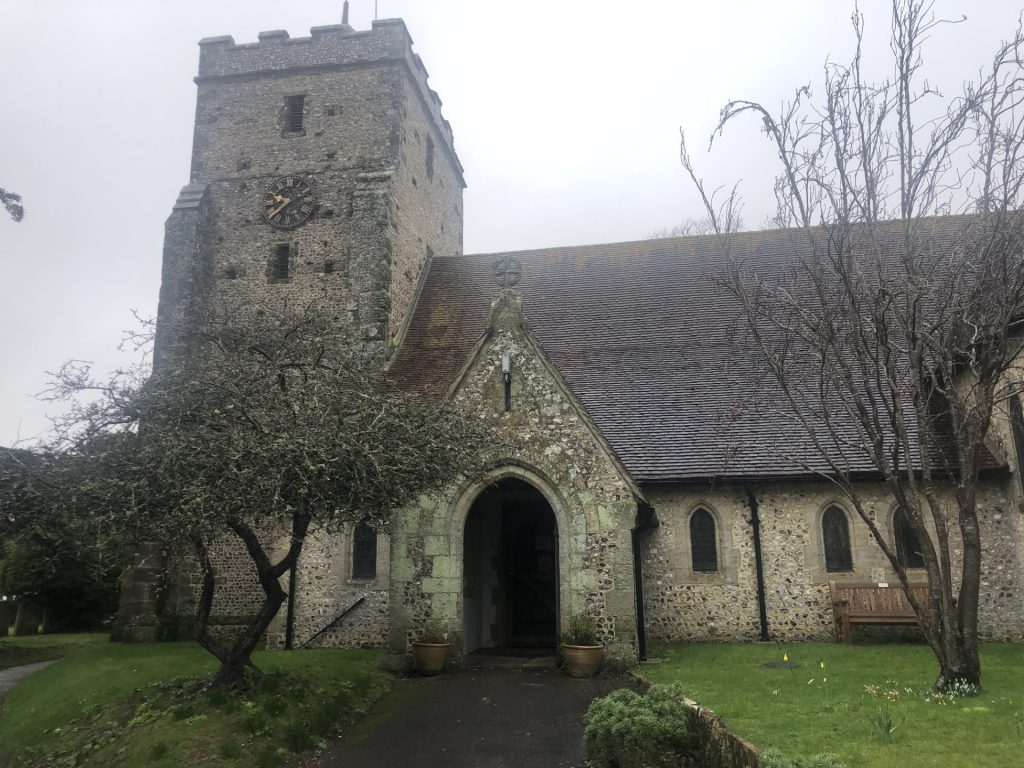
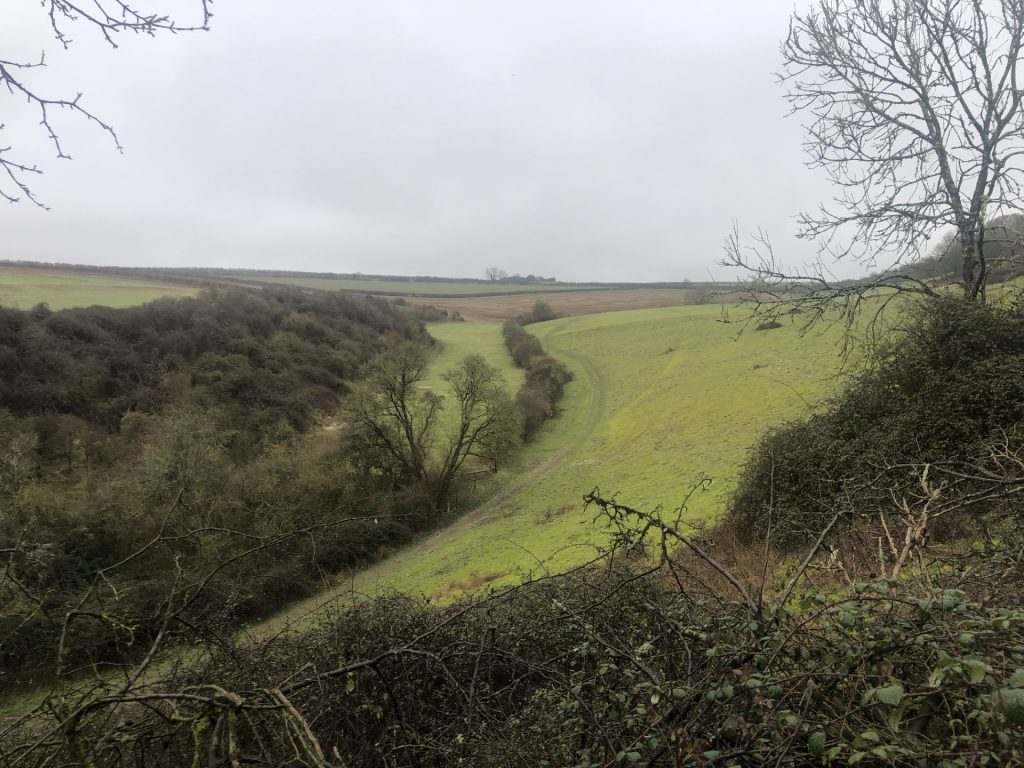
A very wet walk beginning in Burpham village, with flint cottages, a handsome church and the gentle curve of the Arun setting the tone before a climb onto the Downs. On top of the hill, the landscape opened out dramatically: broad chalk slopes and airy ridgelines. The South Downs Way taking us over Racham Hill first, where the views sweep across the Arun Valley towards Arundel.
Continuing over Springhead Hill, the character shifted subtly again. Here the Downs felt more intimate, with rolling contours, pockets of woodland and long, flowing paths that invited an easy rhythm. Dropping back towards Burpham, we were treated to a final panorama of the valley before re-entering the village’s sheltered charm.
Houghton Forest & Bignor Hill
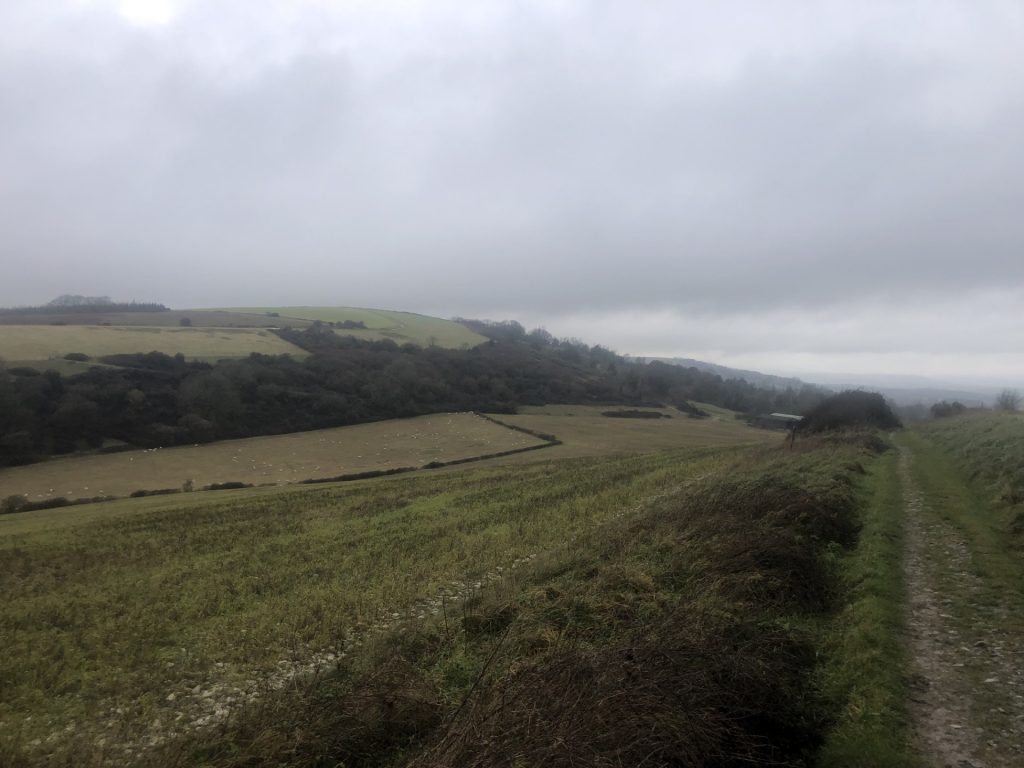
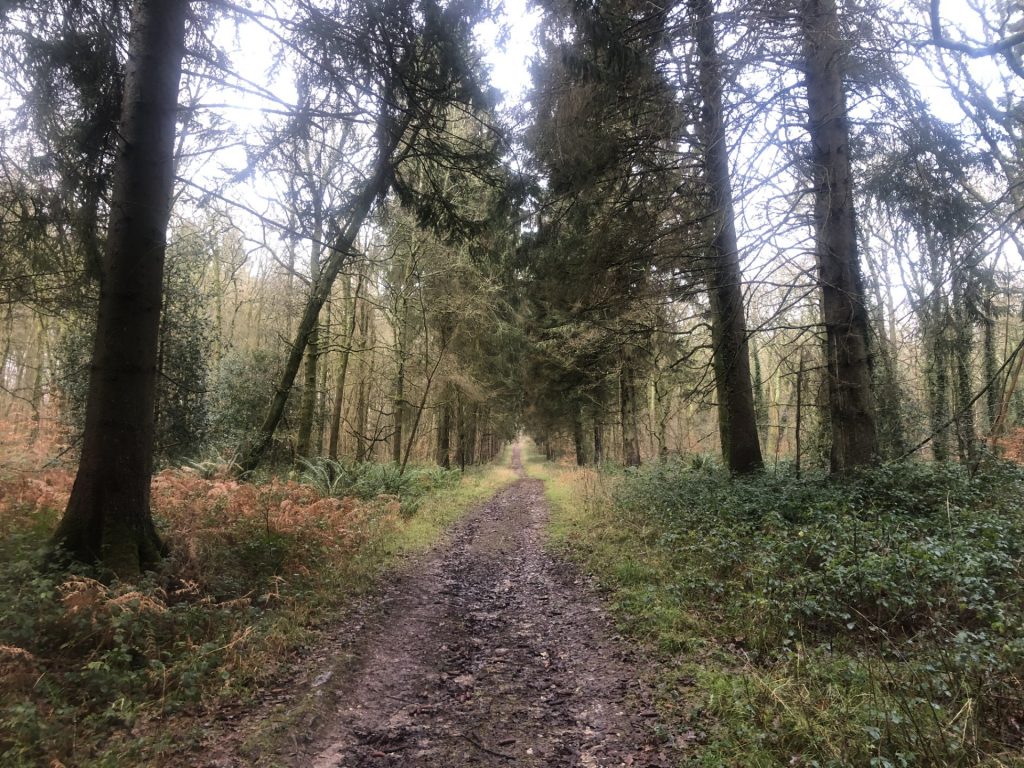
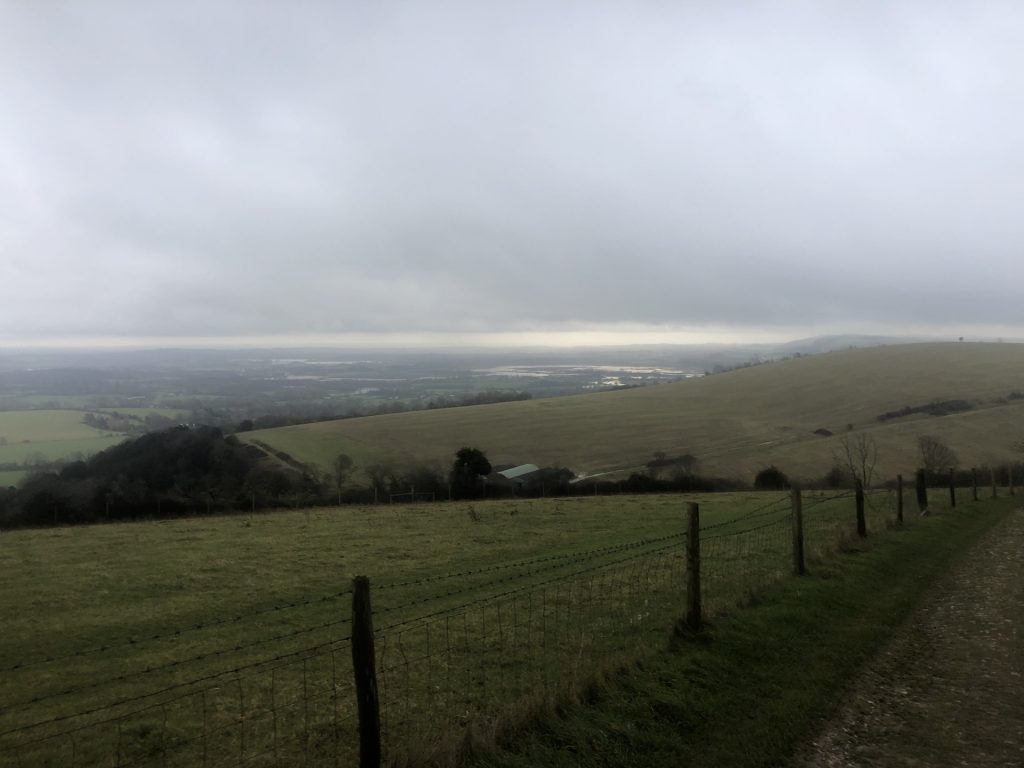
A circuit through Houghton Forest, up onto Bignor Hill and across to Westburton Hill providing one of the most varied and rewarding walks in this part of the South Downs. Houghton Forest itself is a pleasure to wander: tall pines, quiet beech avenues and soft, springy paths that feel wonderfully secluded even on busy days. As you climb, the trees thin and the landscape opens, revealing the broad chalk ridge that leads towards Bignor Hill.
A walk blending woodland calm, high Downland drama and rich historical texture—one of those routes that feels both expansive and deeply rooted in the landscape.
Woodingdean
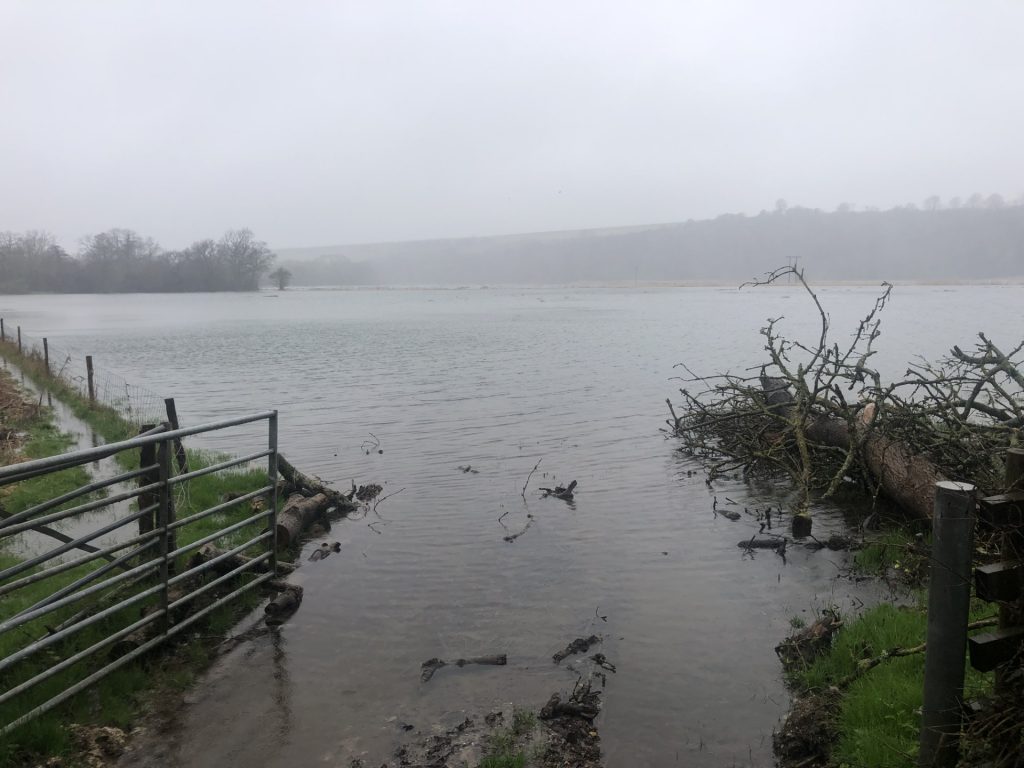
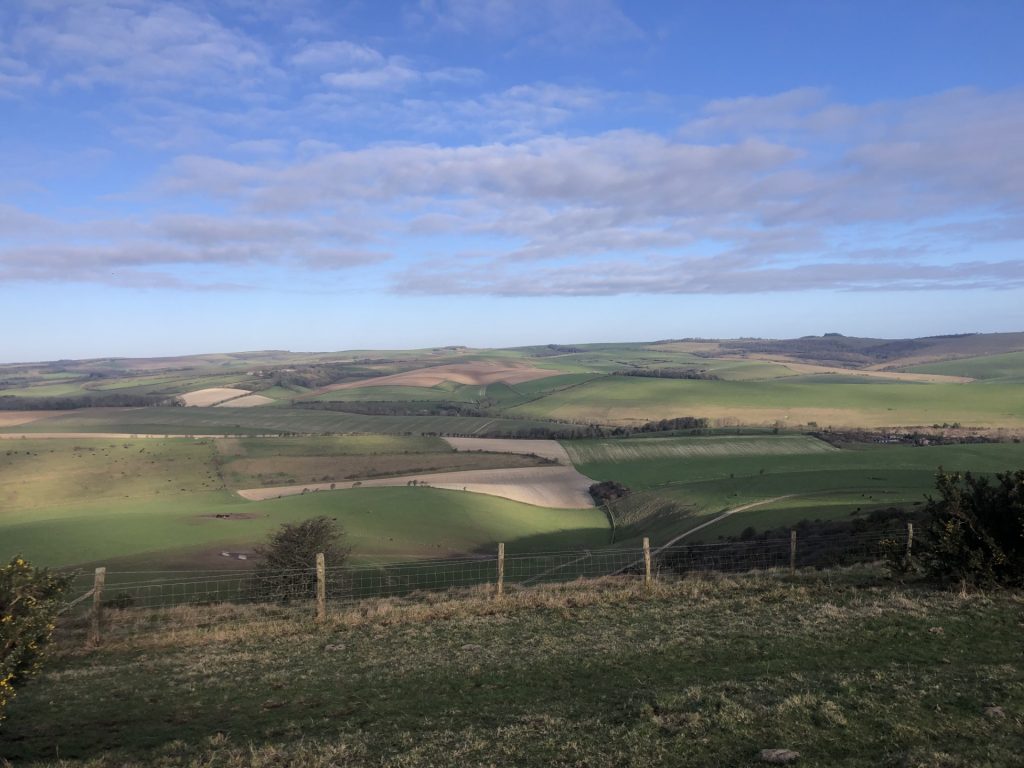
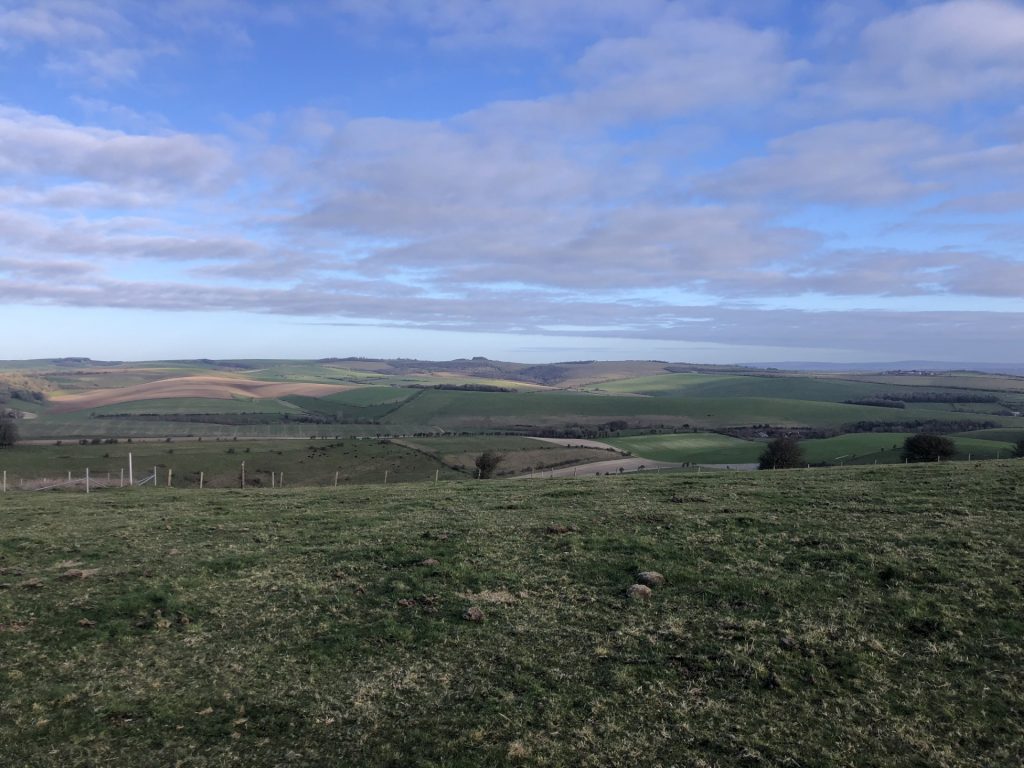
Leaving Woodingdean village, we climbed towards Swanborough Hill towards Lewes and the Ouse Valley. The South Downs Way traces the ridge here, and on either side there were (flooded) open fields and the sea in the distance. Bullock Hill offered a quieter, more remote stretch.
From there, we headed through Castle Hill National Nature Reserve and up Newmarket Hill, then back to Woodingdean. It’s one of the most rewarding loops on the eastern edge of Brighton.
Beachy Head
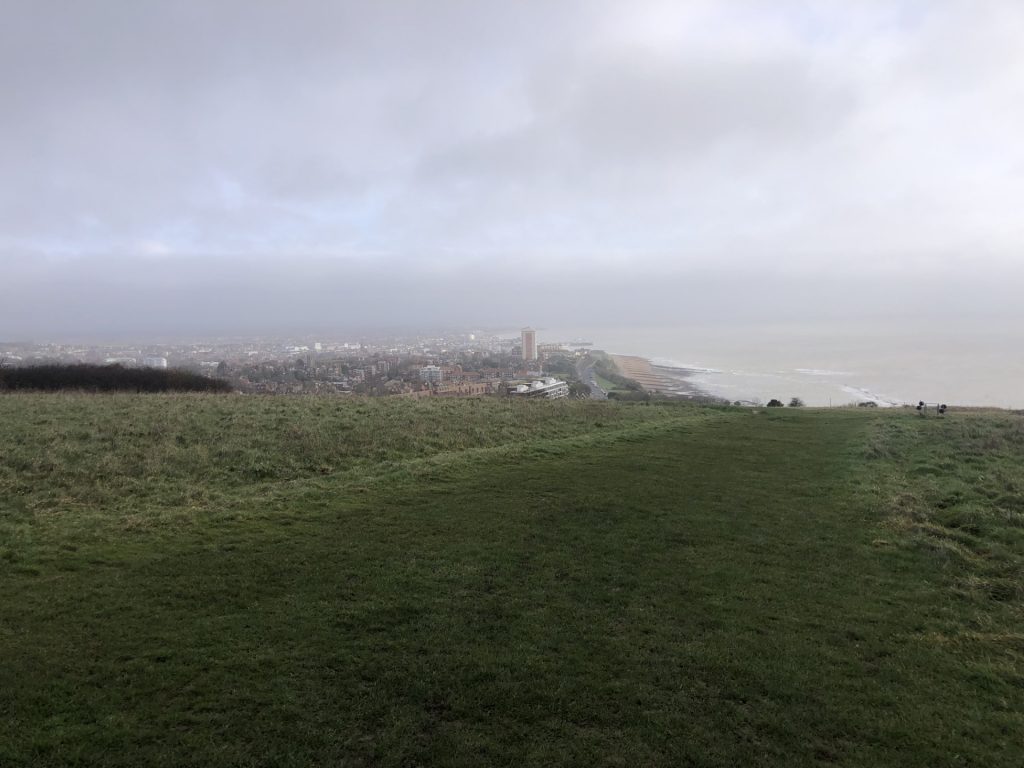
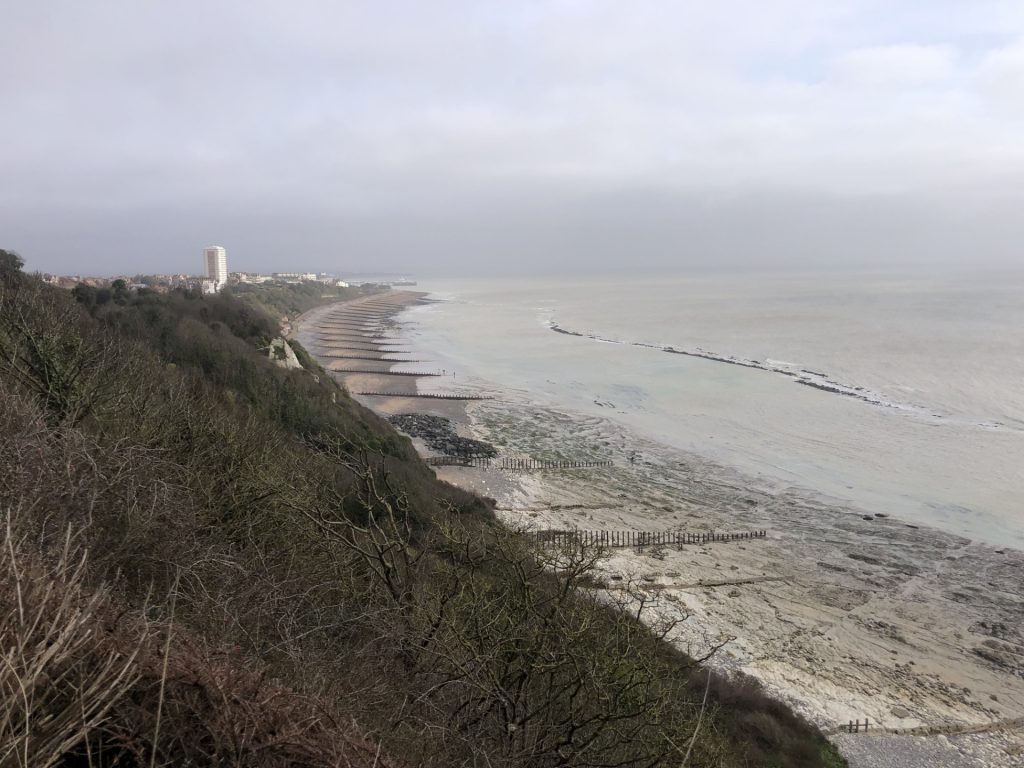
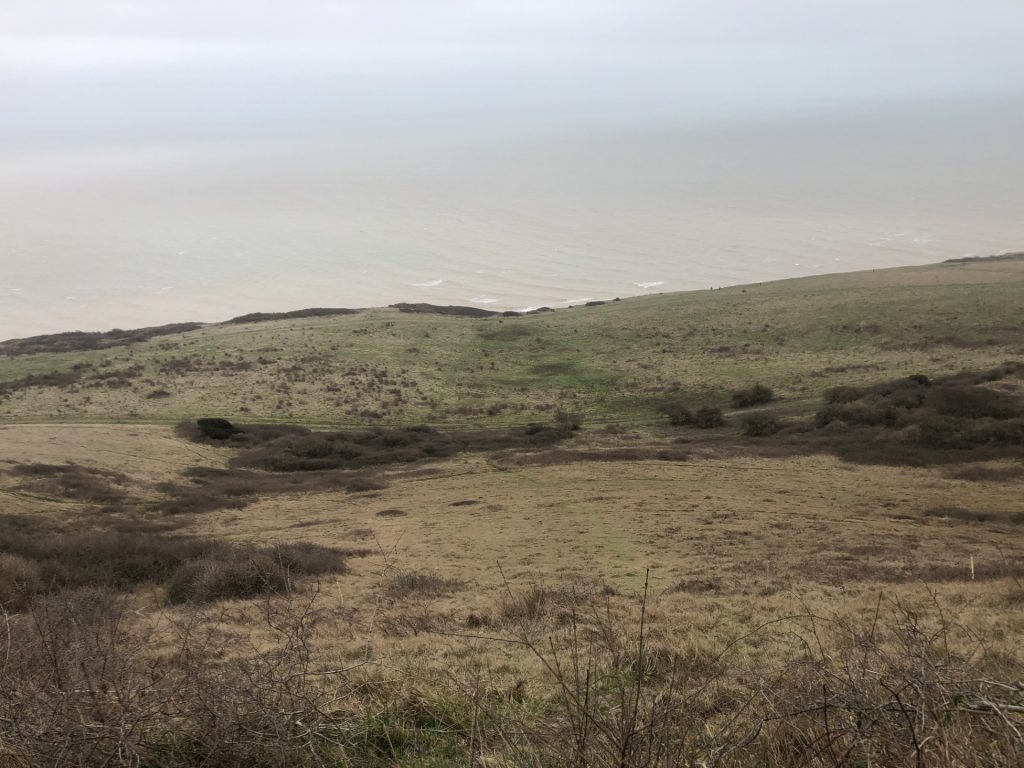
A walk around the Beachy Head chalk headland on a cloudy, windy day has a raw, elemental beauty. The clifftop path provided sweeping views along the white cliffs and out to the red‑and‑white lighthouse.
We took a detour down to Cow Gap. The steep zig‑zag descent taking us from the airy clifftops to a shoreline that feels tucked away and almost secretive. Down here, the waves crash against the rocks, the air is thick with salt spray, and the cliffs rise above you like a vast white wall.
Climbing back up to the headland was hard work, a steep climb, against the wind. It’s a walk that blends drama, solitude and shifting perspectives, making even a grey day feel unforgettable.
Firle Beacon
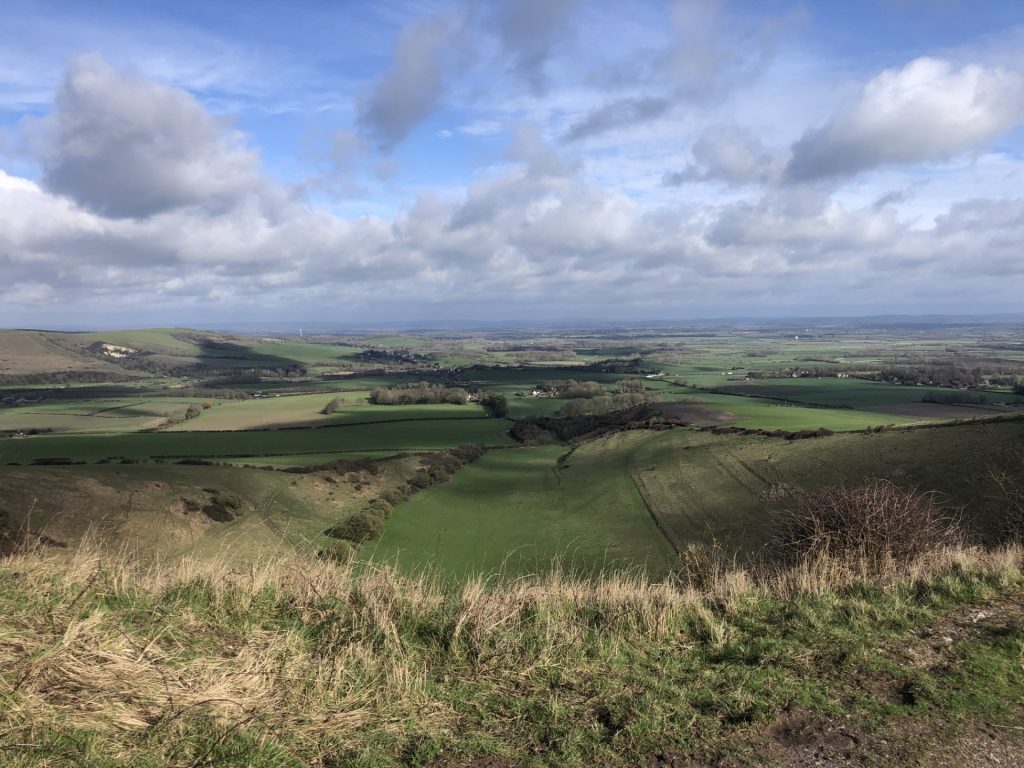
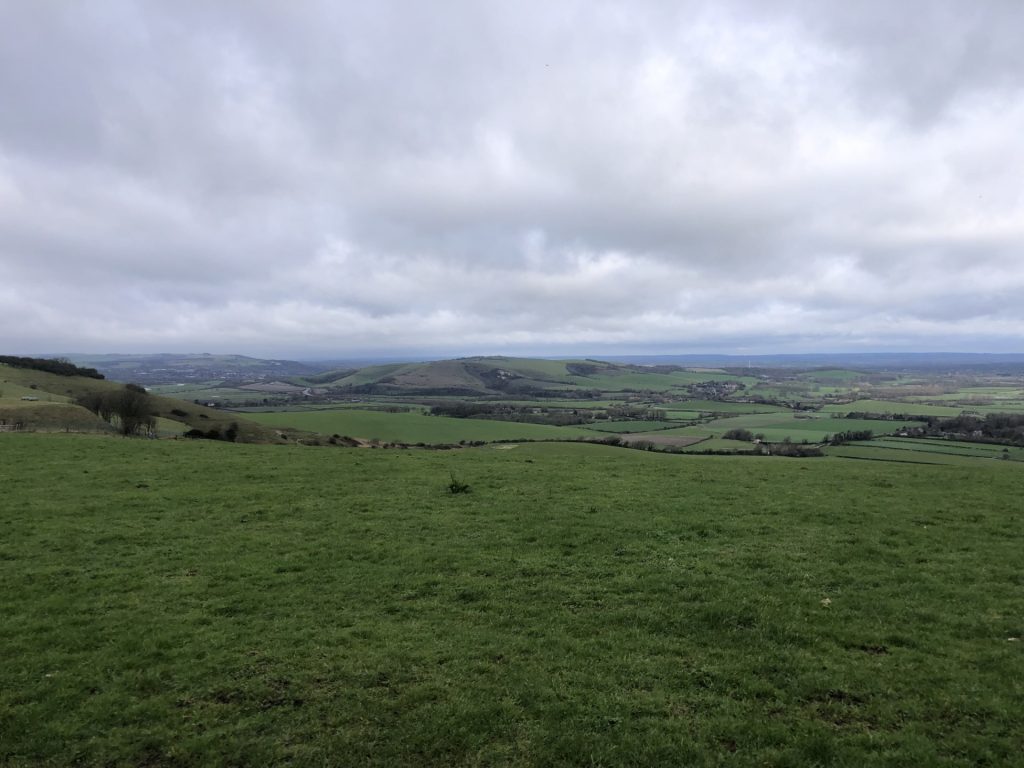
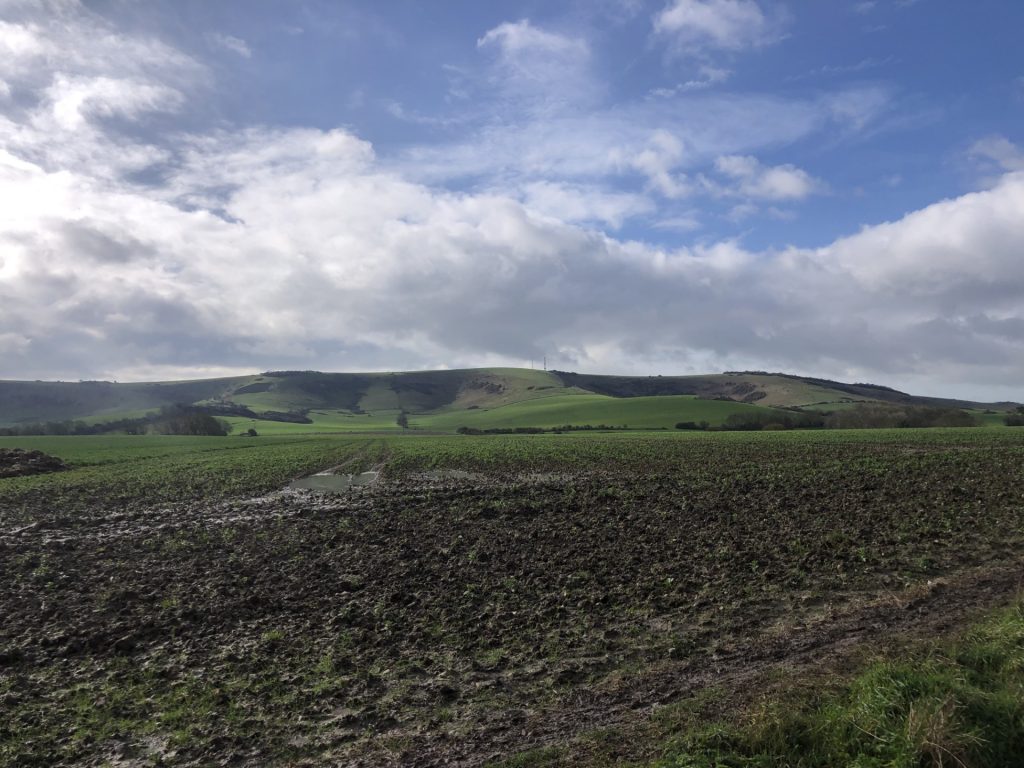
A walk along the South Downs Way from Firle Beacon provides stunning vistas of the Sussex landscape. Starting on the ridge, the path gives you huge, rolling views in every direction: the Weald stretching away in a patchwork of fields, the sweep of the Downs running east and west, and the sea glinting beyond Newhaven on a clear day. The South Downs Way here is spacious and airy, with long sightlines that make even a short walk feel expansive.
Dropping down towards Firle village, the landscape softens into a sheltered world of flint cottages, narrow lanes and the timeless calm of a traditional Downland estate village. Firle Park adds another layer of interest: sweeping parkland, ancient trees and the elegant presence of Firle Place set against the rising chalk behind it. Together, the ridge and the village create a walk that blends grandeur with intimacy—one of the most characterful stretches of the eastern Downs.
Cocking Hill & West Dean Woods
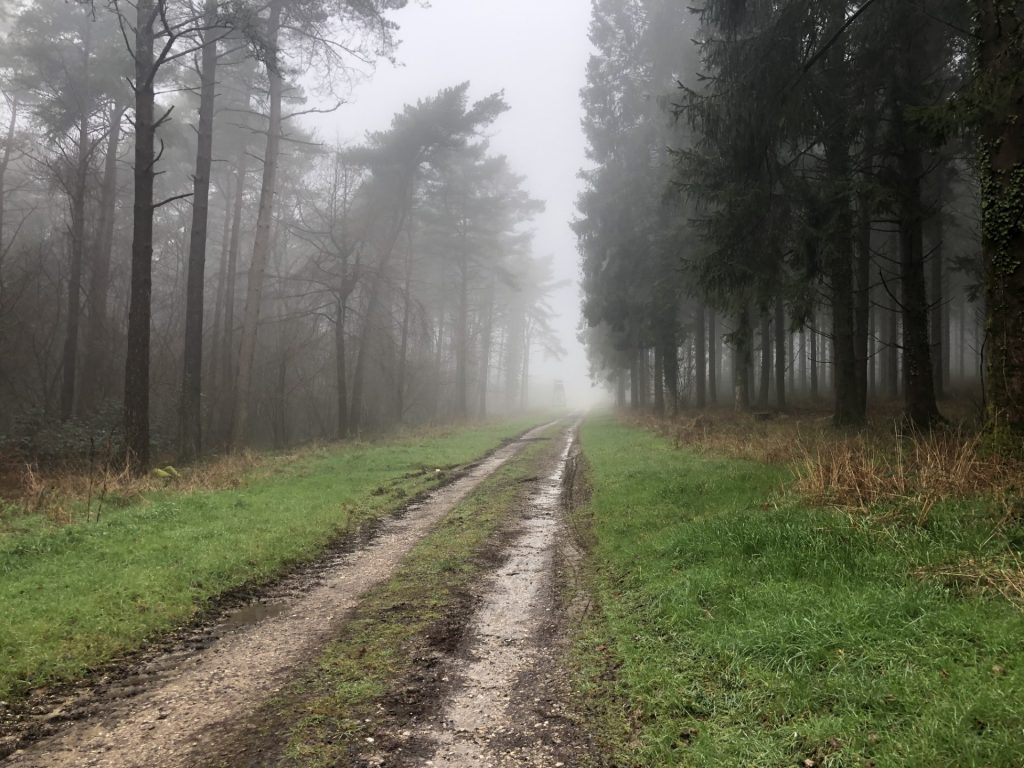
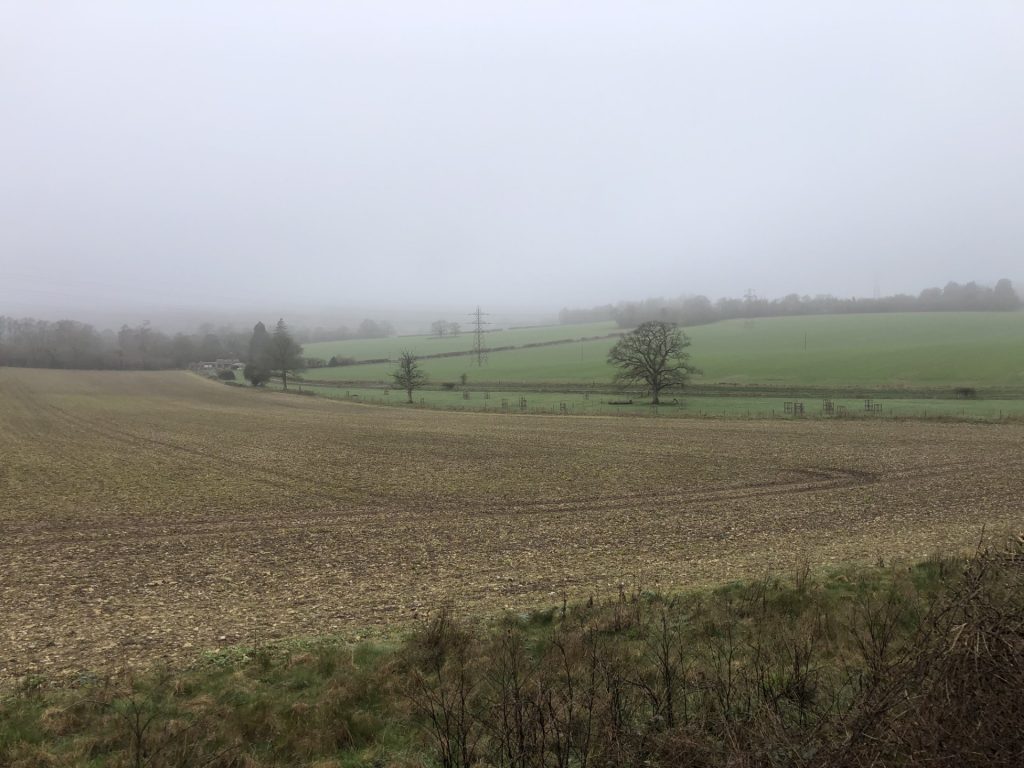
A misty March walk along the top of Cocking Down. The landscape opening in every direction: the Weald spreading away in a soft green mosaic, the chalk hills rolling east and west. That quiet, expansive atmosphere that makes the high Downs so restorative.
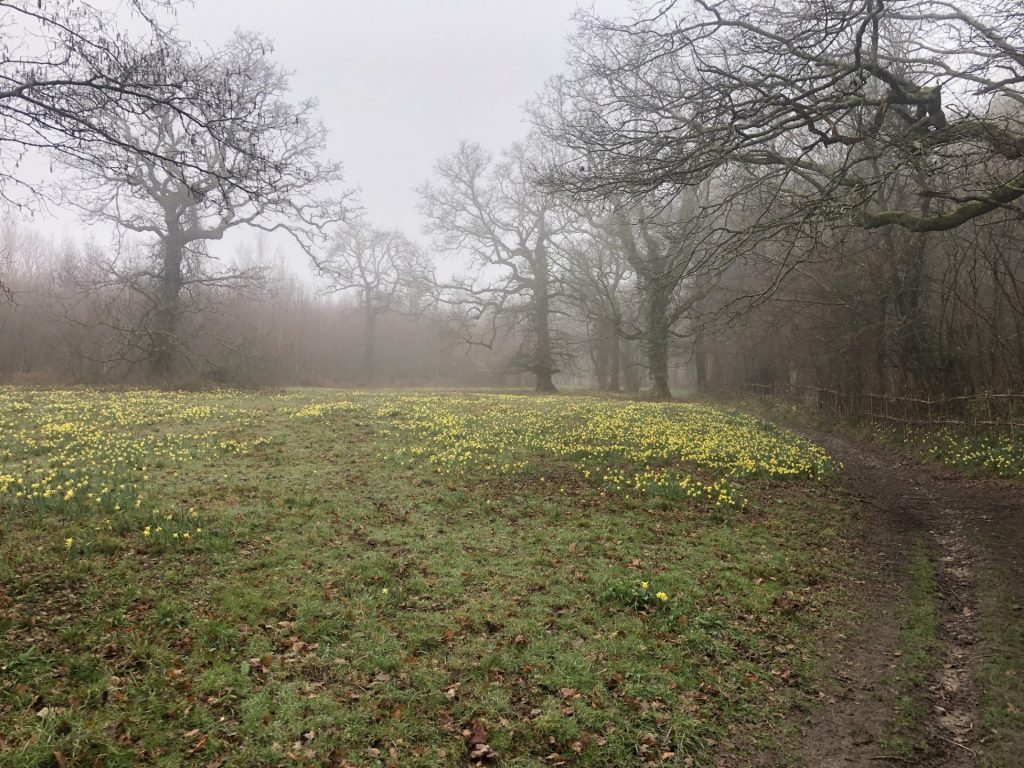
Dropping off the ridge into West Dean Woods, the open chalk gave way to deep, sheltered woodland. The paths wound through pockets of ancient woodland, mossy banks and hidden clearings alive with birdsong. We enjoyed the contrast between the airy Downs above and the enclosed world beneath the canopy.
Climbing back towards Cocking Down, the light opens again and the ridge reappears. It’s a route that blends height, tranquillity and rich woodland character.
Bignor Hill and Houghton Forest
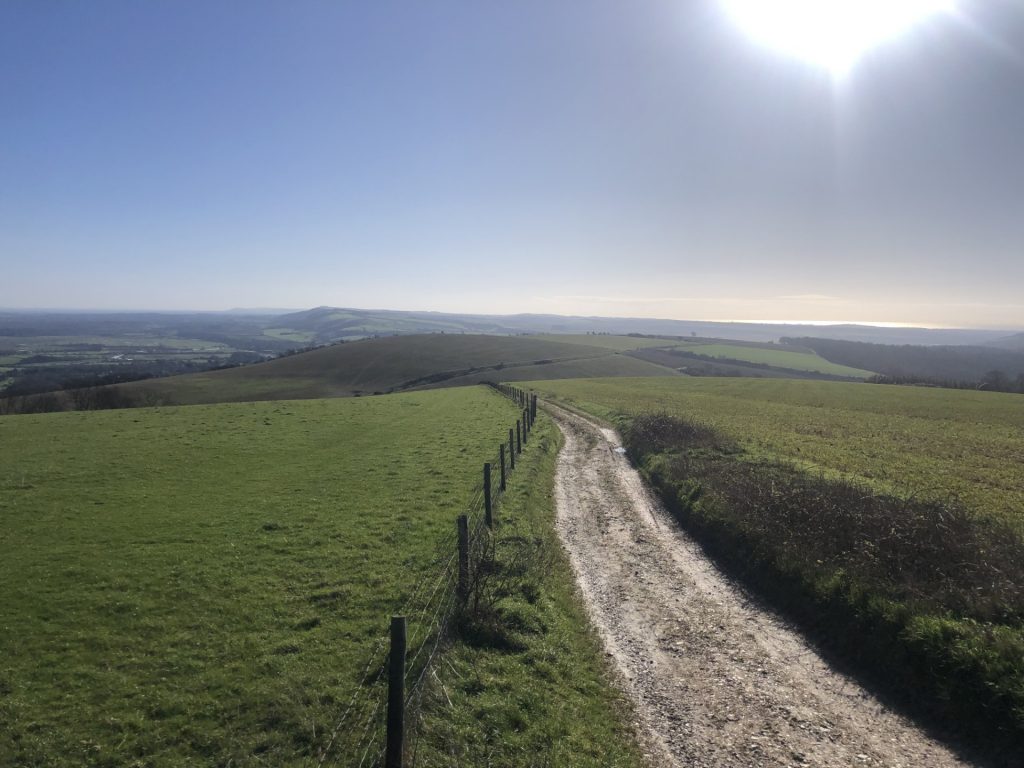
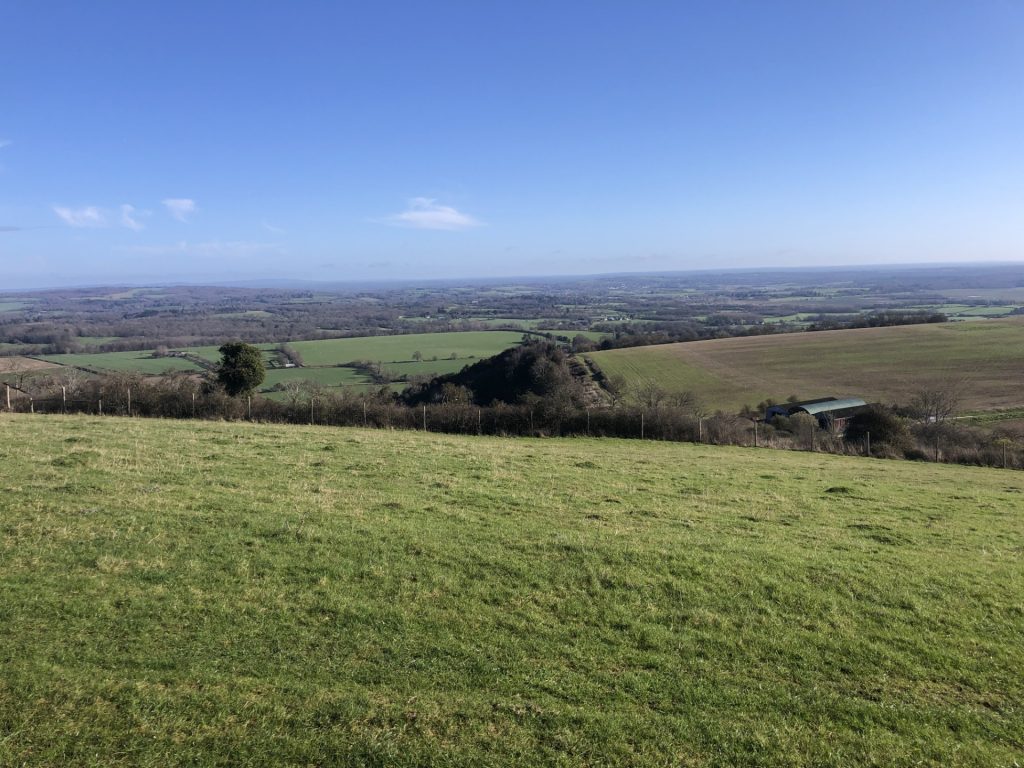
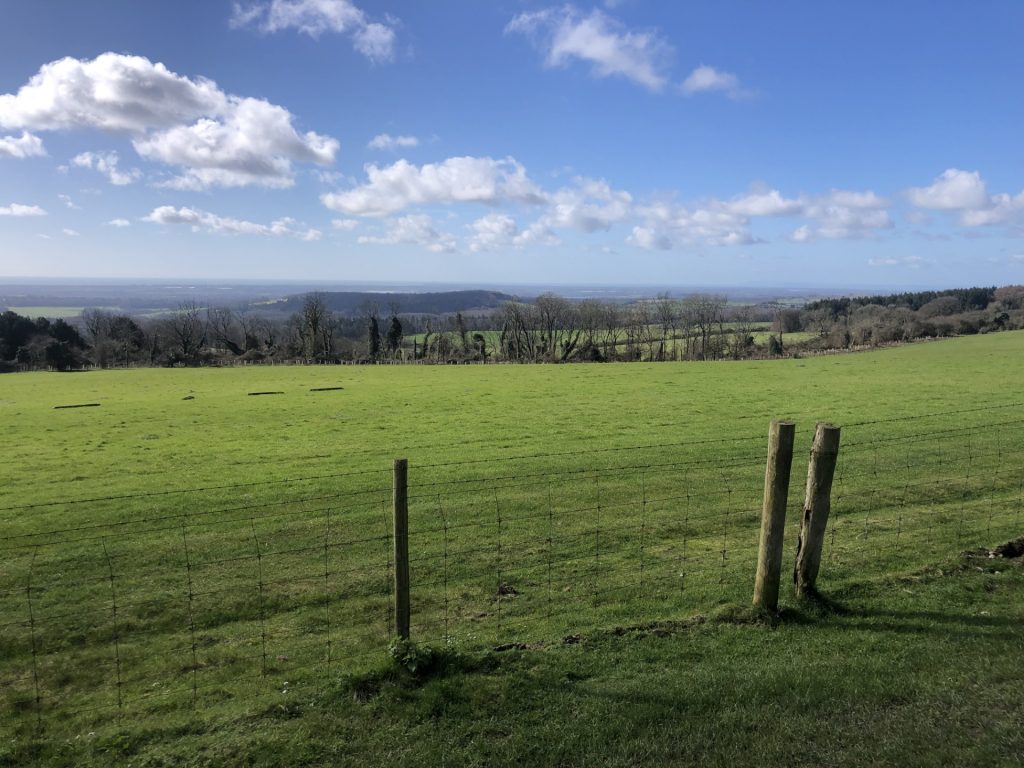
A walk along the top of Bignor Hill is one of the great experiences of the South Downs, particularly on a beautiful March day like this one. As you rise to the summit the landscape widens around you: the Weald spreading out in soft greens, the chalk hills rolling away towards Chanctonbury, and the sea in the distant background.
From the far side of the ridge, the descent into Houghton Forest brings a complete shift in atmosphere. The open chalk gives way to deep woodland, where tall conifers and beech create cool, sheltered corridors alive with birdsong.
The steady climb back up via “The Denture”, a distinctive, tooth‑like spur that cuts through the heart of the forest. It’s a wonderfully atmospheric ascent: filtered light, mossy banks, and a sense of moving through a hidden green valley before the trees finally thin and the Downs open out once more.
The combination of high ridgeline, deep woodland and that memorable climb makes this one of the most varied and satisfying loops in the western Downs.
Piddinghoe
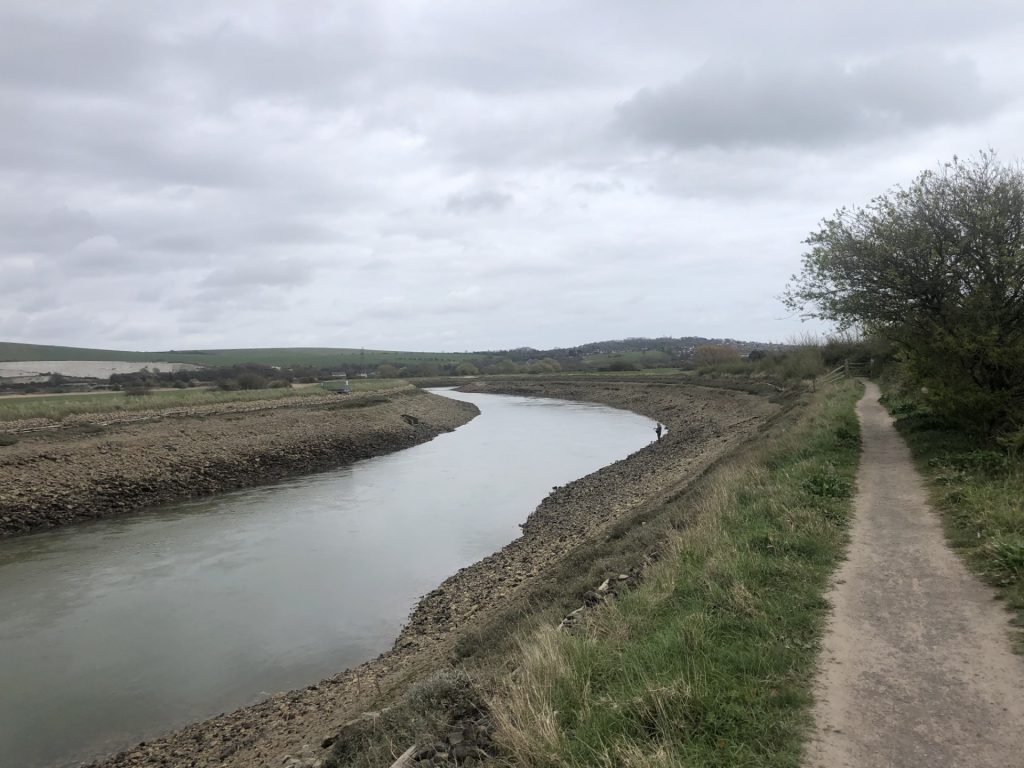
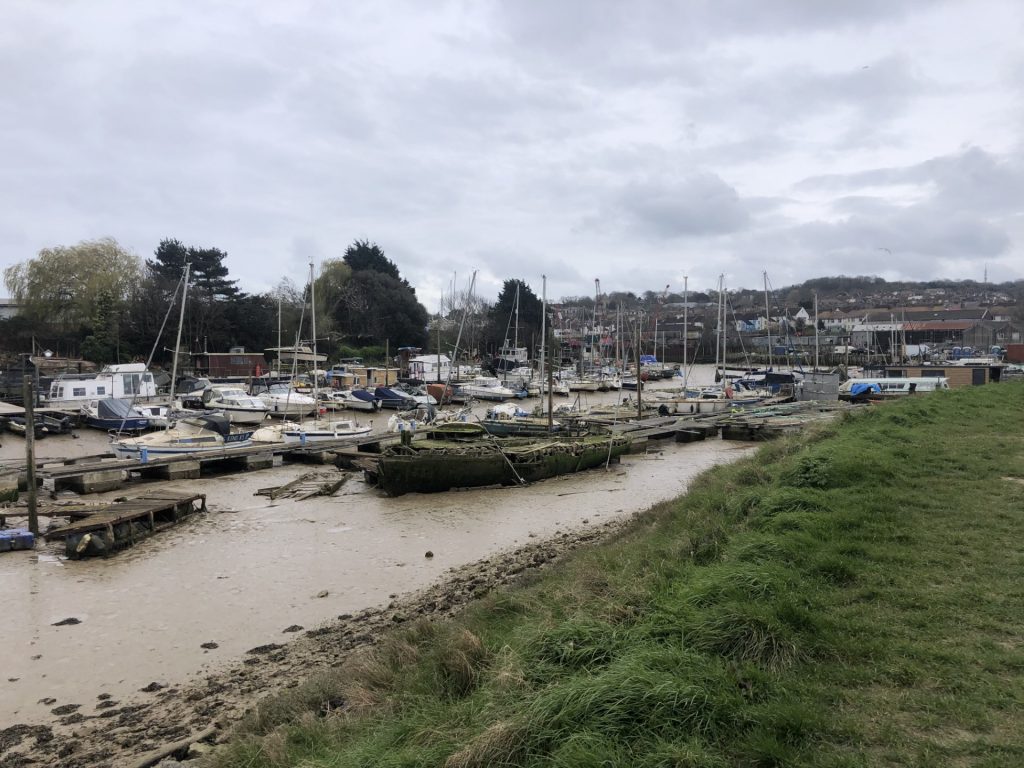
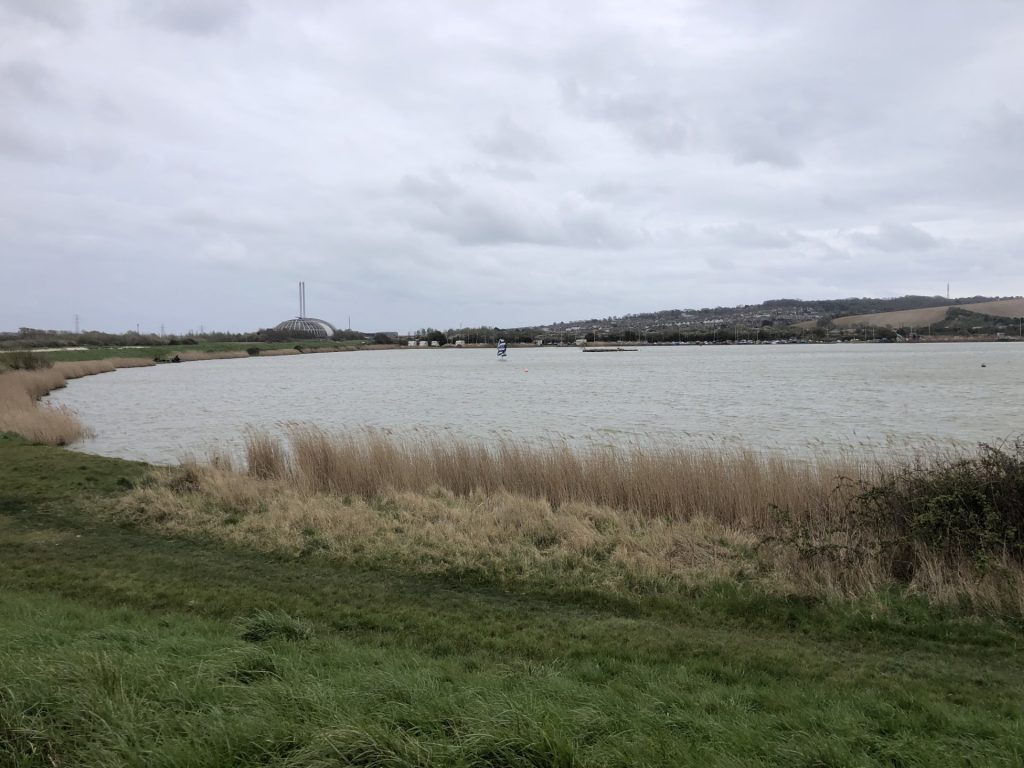
We started at the flint‑walled church in Piddinghoe, before heading out onto the riverside path. The River Ouse here is broad and unhurried, curving gently between grazing meadows and reed‑lined banks.
Reaching Riverside Park, the scenery shifted into a more open, recreational landscape where wide grassy areas and ponds attract birdlife.
Saddlescombe and Devils Dyke
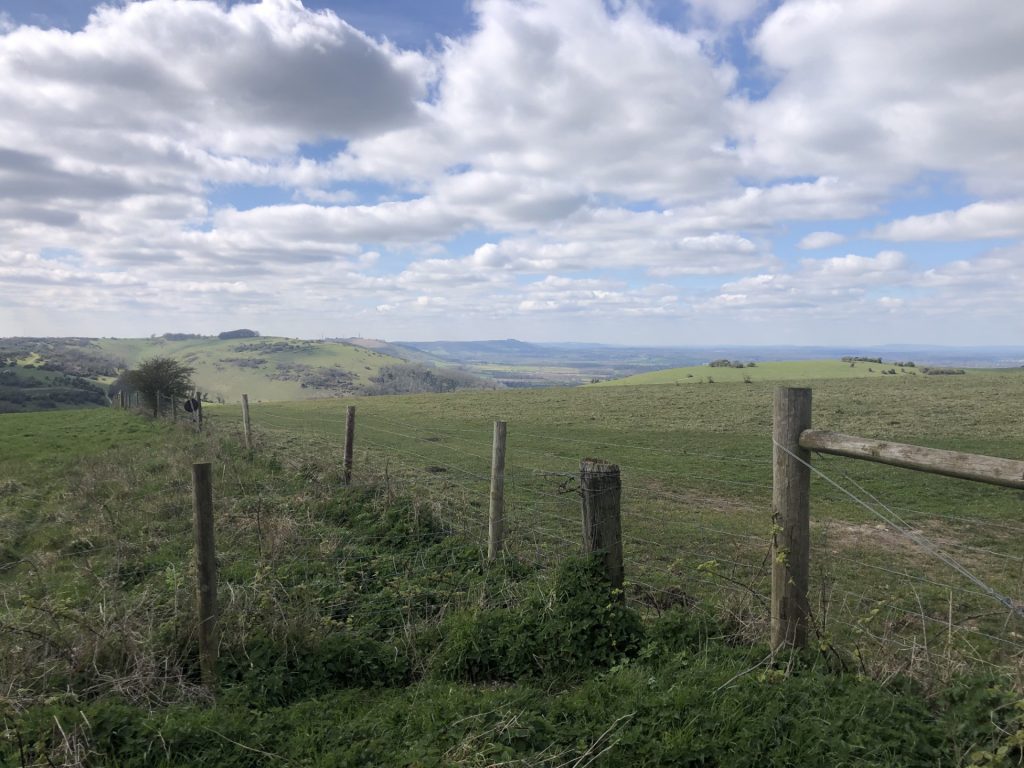
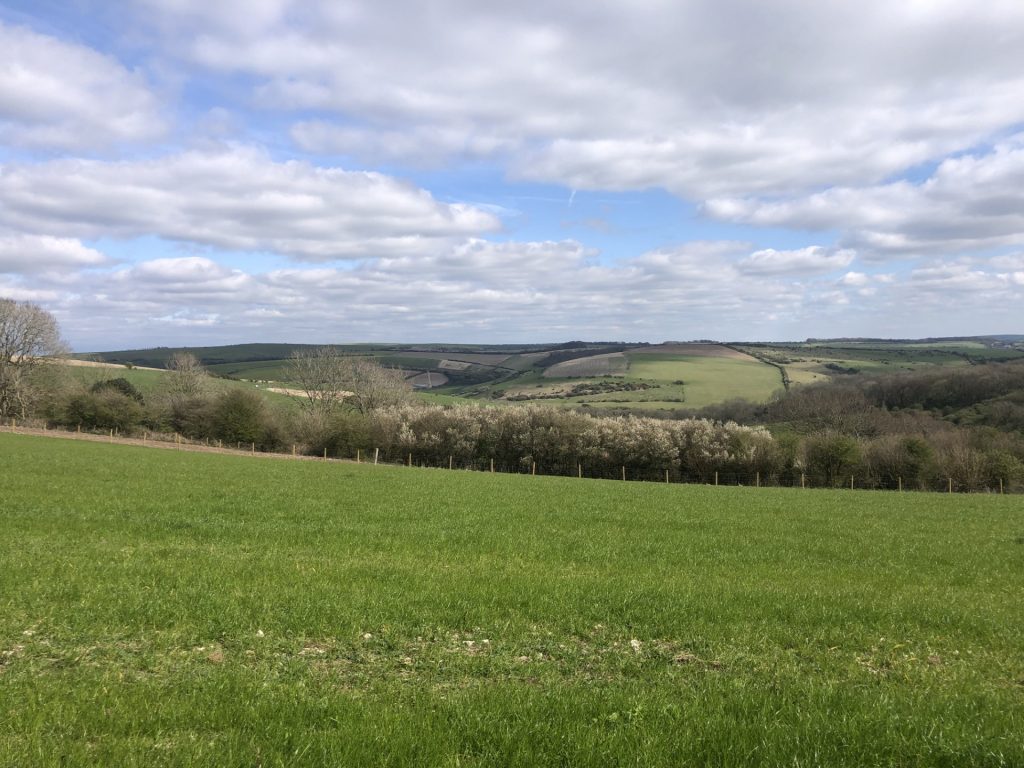
A walk heading east from Saddlescombe where the landscape feels open, airy and full of movement. The climb to East Hill is steady but rewarding, giving you widening views over the farm, the scarp and the long sweep of the Adur Valley. From here the ridge undulates towards West Hill. Joining the Sussex Border Path, the route settles into a wonderfully rhythmic stretch, with long views towards Truleigh Hill and the sea glinting behind you.
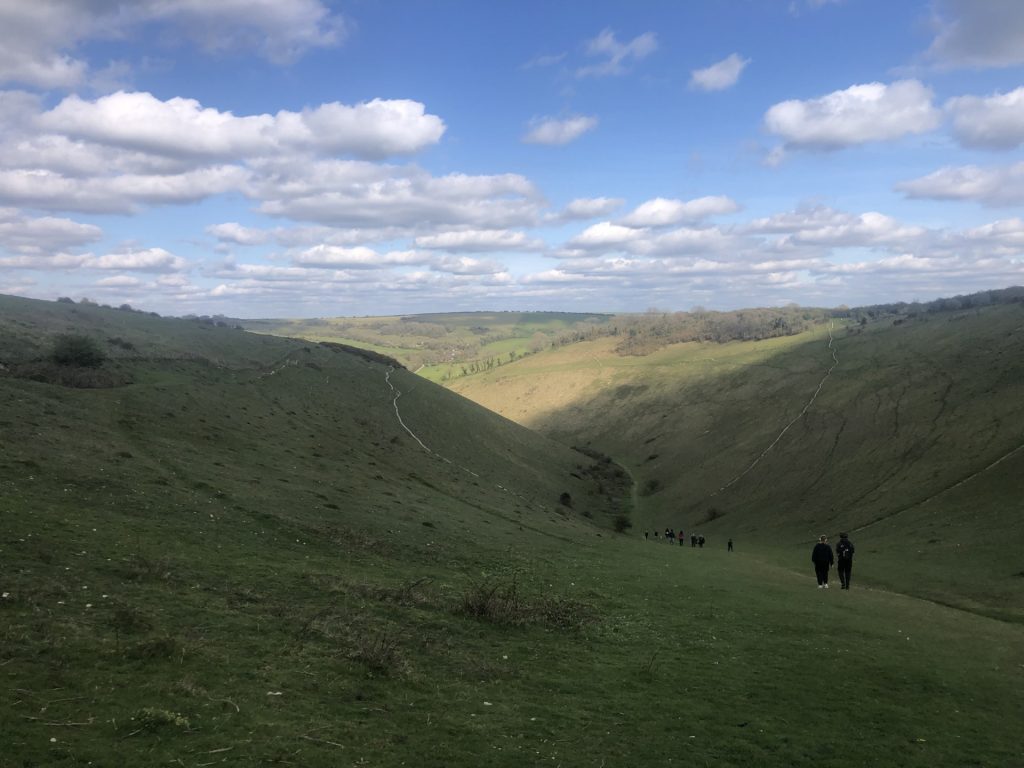
Circling the high ground around Devil’s Dyke adds a dramatic flourish. The valley opens beneath you in a vast, amphitheatre‑like sweep, its steep sides carved by ancient meltwater and still carrying that sense of geological drama. The path skirts the rim before dropping into the valley itself. Climbing gently back towards Saddlescombe, the landscape gathers itself into a final, satisfying rise, rounding off a walk that blends height, history and one of the most iconic landforms on the South Downs.
Wepham – South Downs Hare Walk
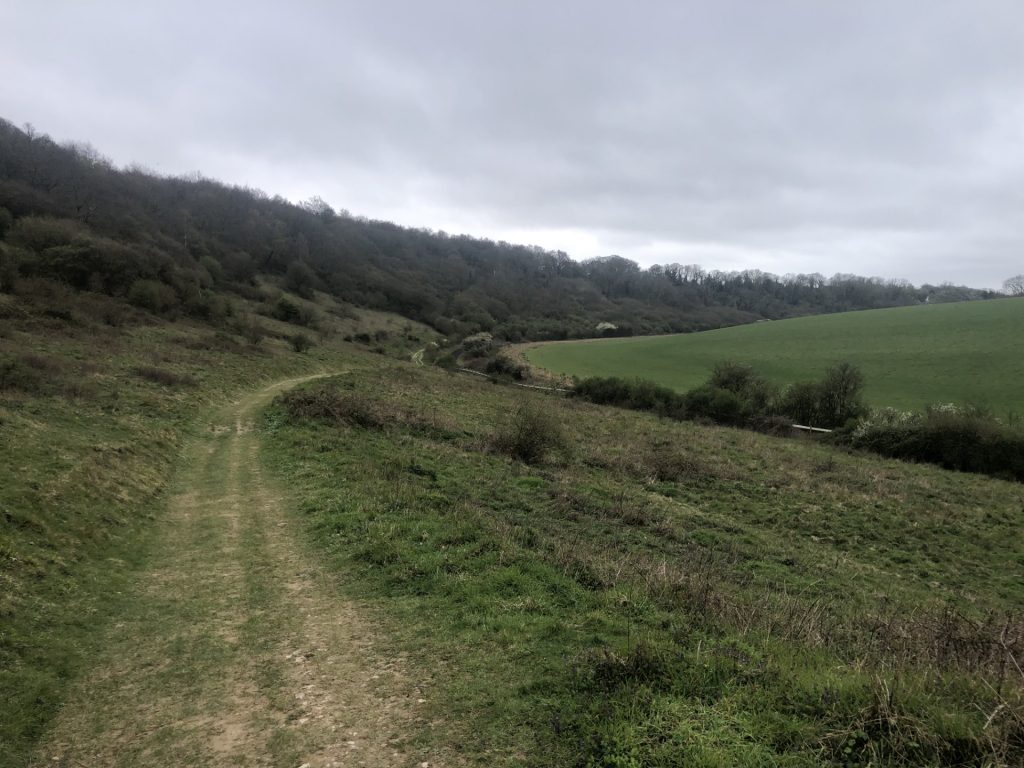
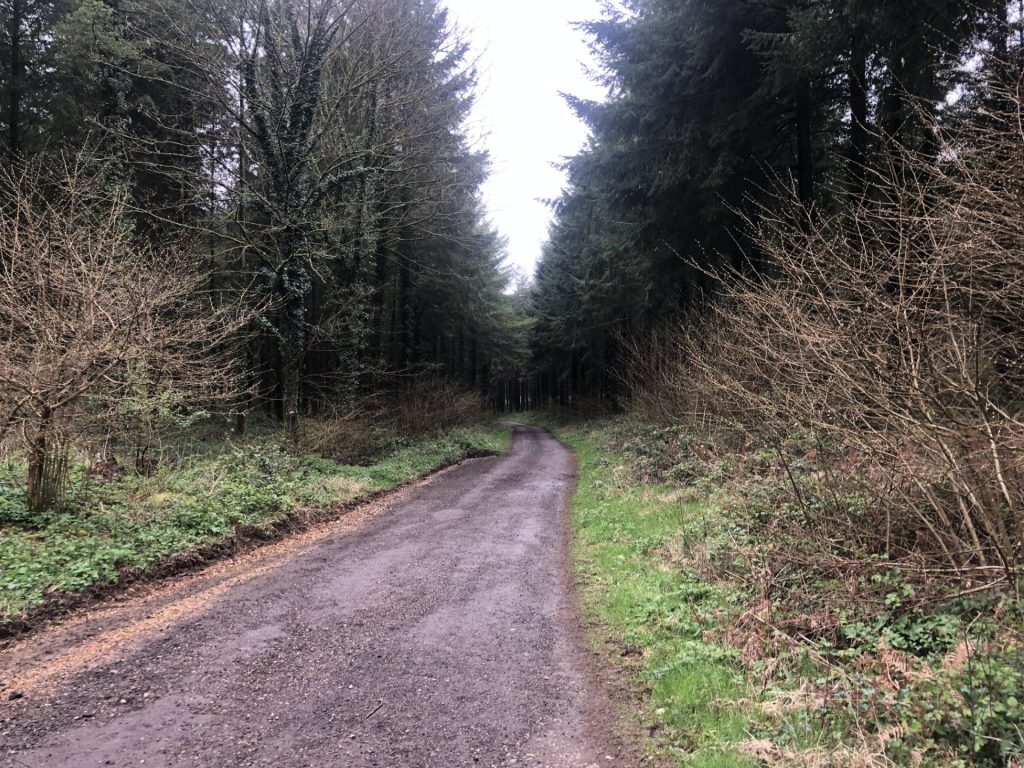
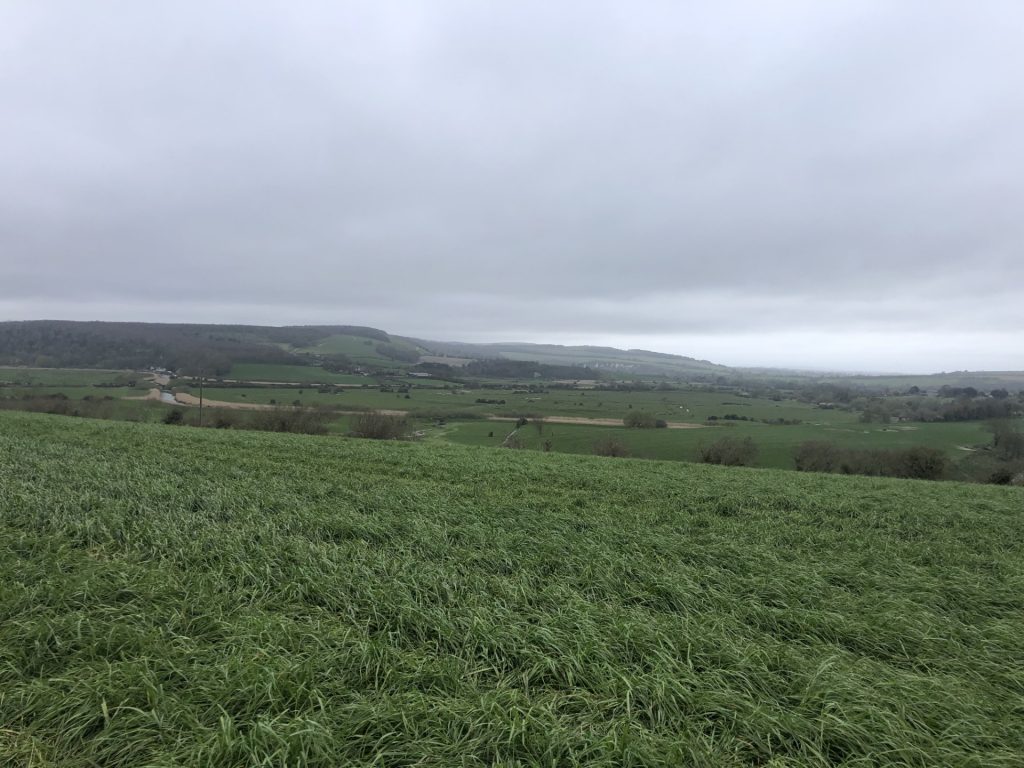
A walk from Wepham following the South Downs Hare Walk is a wonderfully varied circuit that captures the quiet charm of the Arun Valley and the wide, rolling openness of the Downs above it. Leaving the tiny hamlet, the route rises gently through farmland and open slopes, giving you early views across to Burpham and the winding line of the river. As you climb higher, the landscape broadens into classic chalk country—smooth contours, big skies and that uplifting sense of space that defines this part of the Downs. The path often feels delightfully unhurried, with hares sometimes seen darting across the fields that give the walk its name. Reaching the higher ground, the ridge offers long views towards Arundel, Bignor Hill and the wooded Weald beyond.
The return leg loops across more open downland before dropping gradually back towards the Arun Valley. As you descend, the valley reasserts itself—broad, peaceful and framed by the rising chalk on either side. The final approach to Wepham feels calm and timeless, with the cluster of flint cottages appearing just as the landscape gathers into its gentler lower contours. Altogether, the South Downs Hare Walk blends height, tranquillity and rich rural character, making it one of the most rewarding short circuits in this quieter corner of the Downs.
Ashurt – Henfield loop
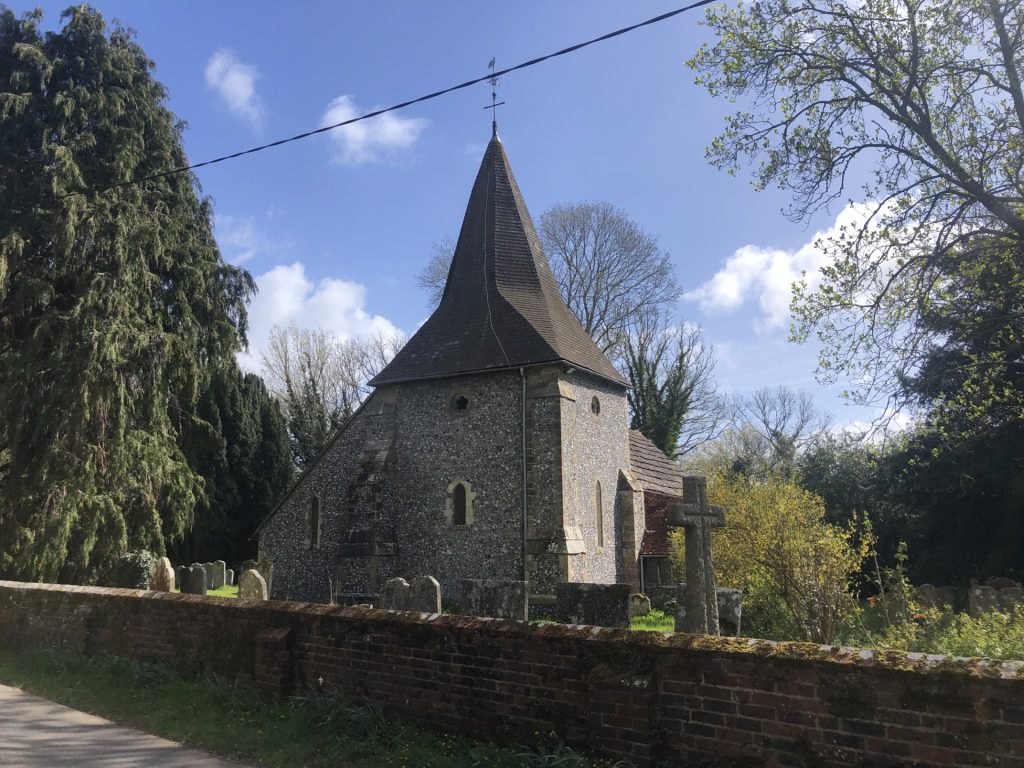
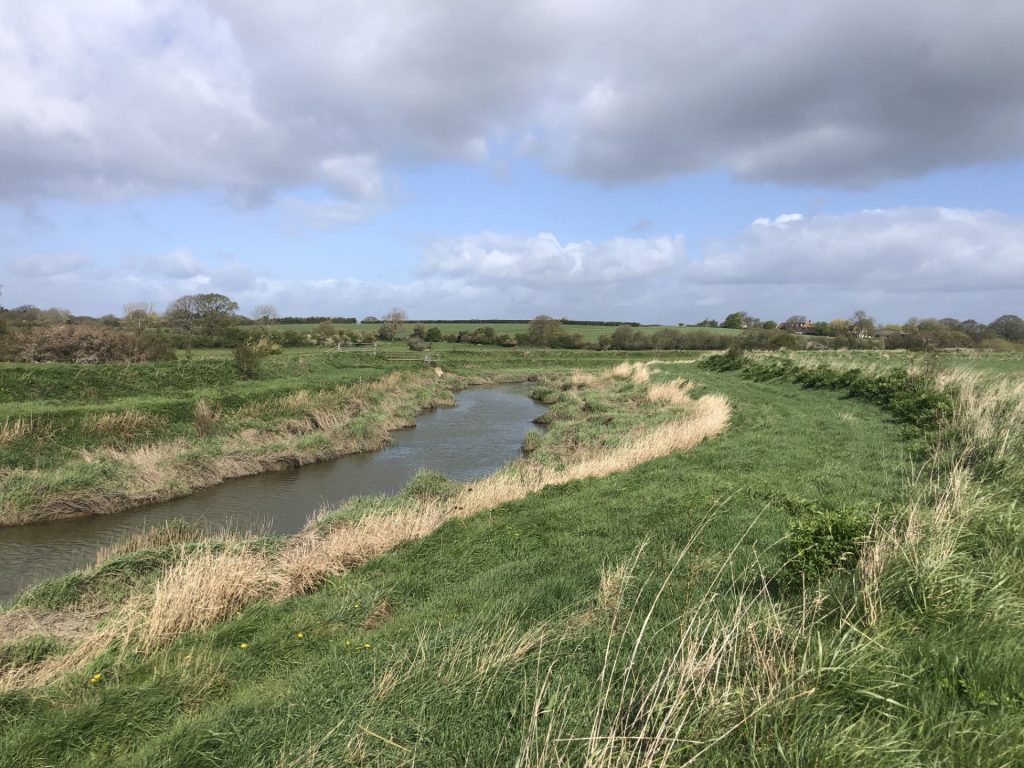
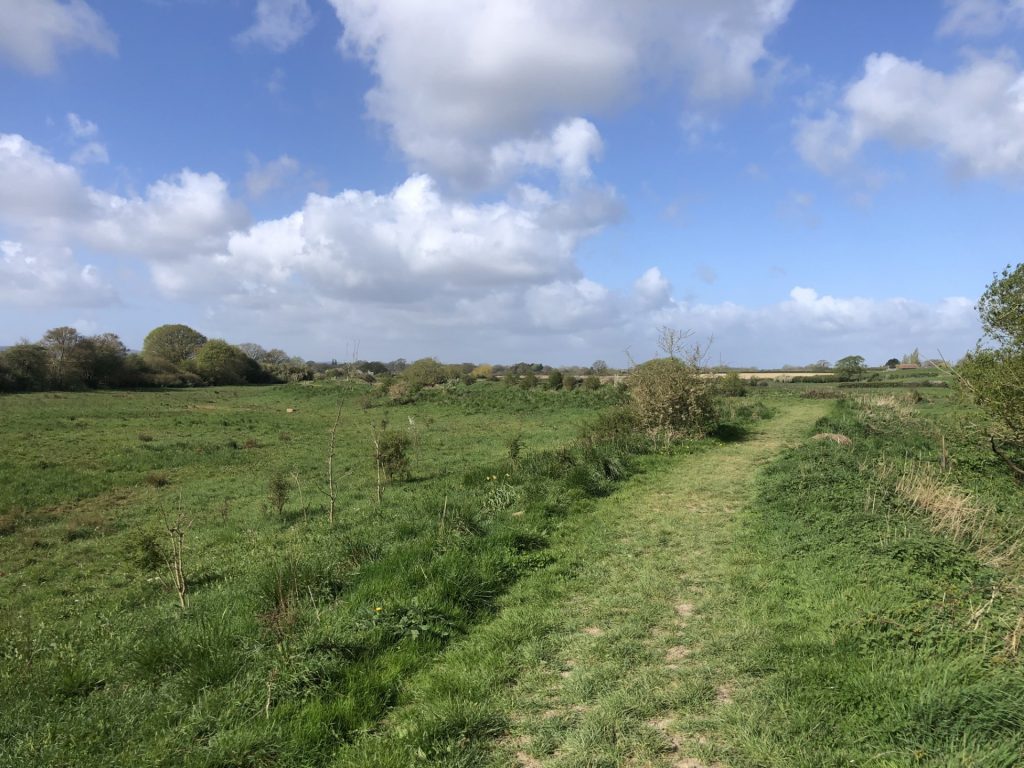
A looped walk from Ashurst to Henfield and back again is a gentle, wide‑open journey through the heart of the Adur Valley, where the landscape feels spacious, pastoral and deeply Sussex. Leaving Ashurst, the route crosses meadows and quiet lanes before slipping onto riverside paths that follow the River Adur as it winds south through grazing fields and reed‑lined banks.
Reaching Henfield, the route picks up the Downs Link, a former railway line now transformed into a wide, easy trail that carries you back north through open countryside. This section has a lovely sense of flow: big skies, hedgerows alive with birdsong, and long straight stretches that make for relaxed walking. As you leave the old trackbed and curve back towards Ashurst, the Adur Valley reappears—broad, green and quietly beautiful. The final approach into the village feels warm and familiar, rounding off a walk that blends riverside calm, rural openness and the gentle history of the Downs Link into one satisfying circuit.
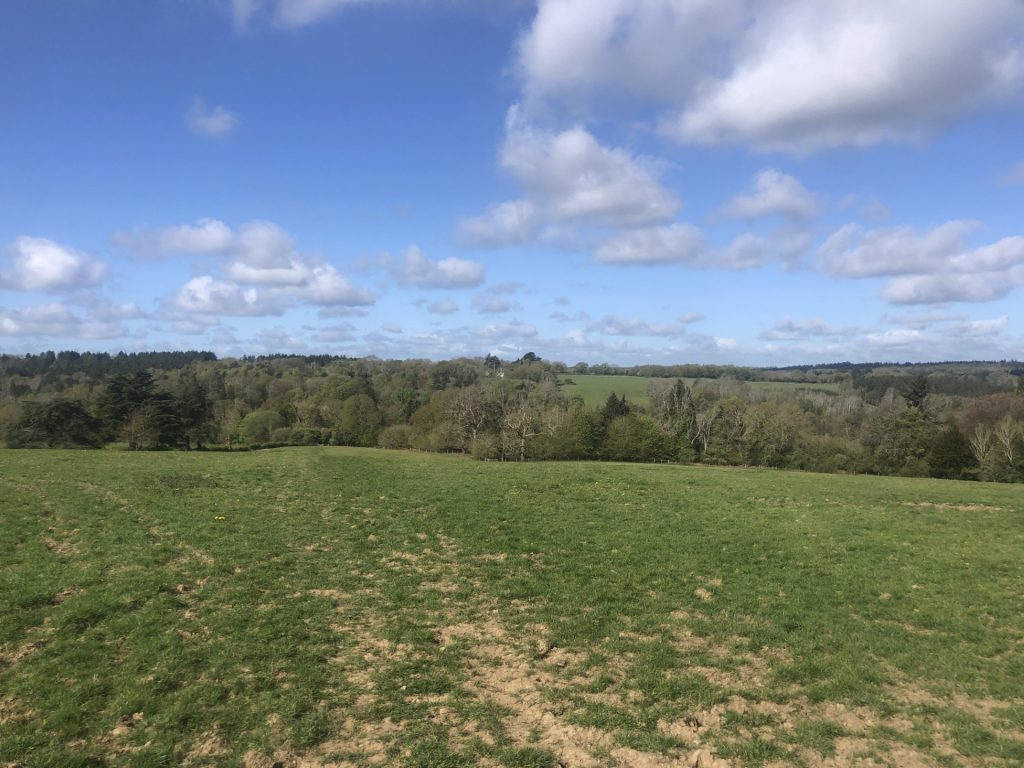
Balcombe
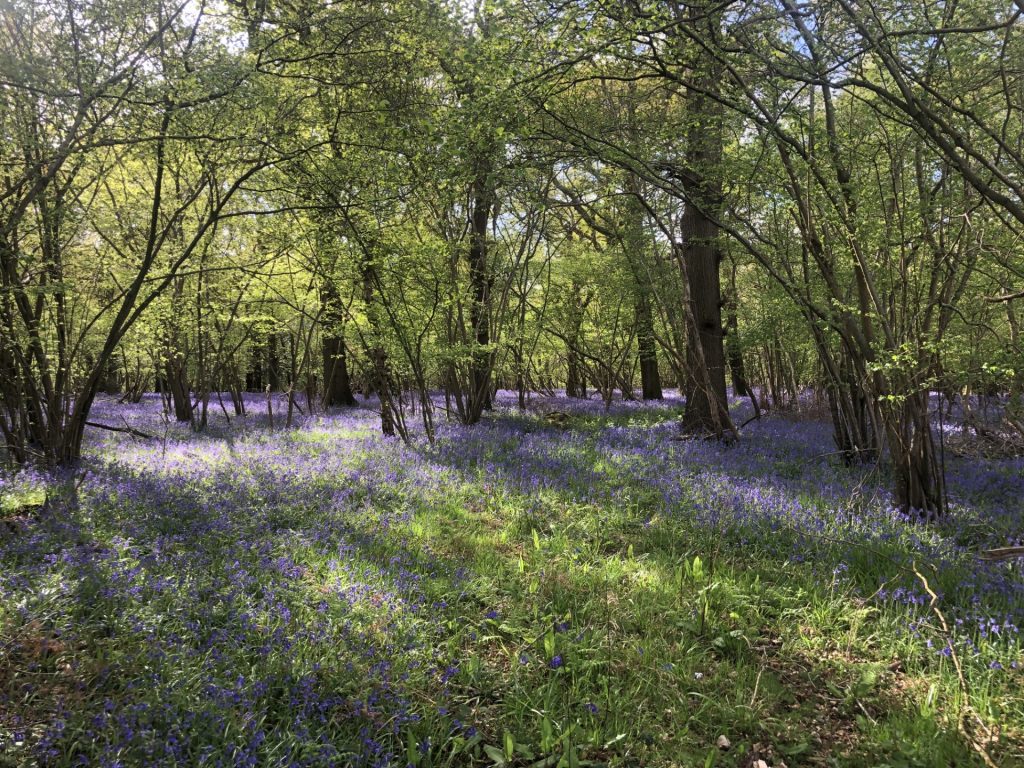
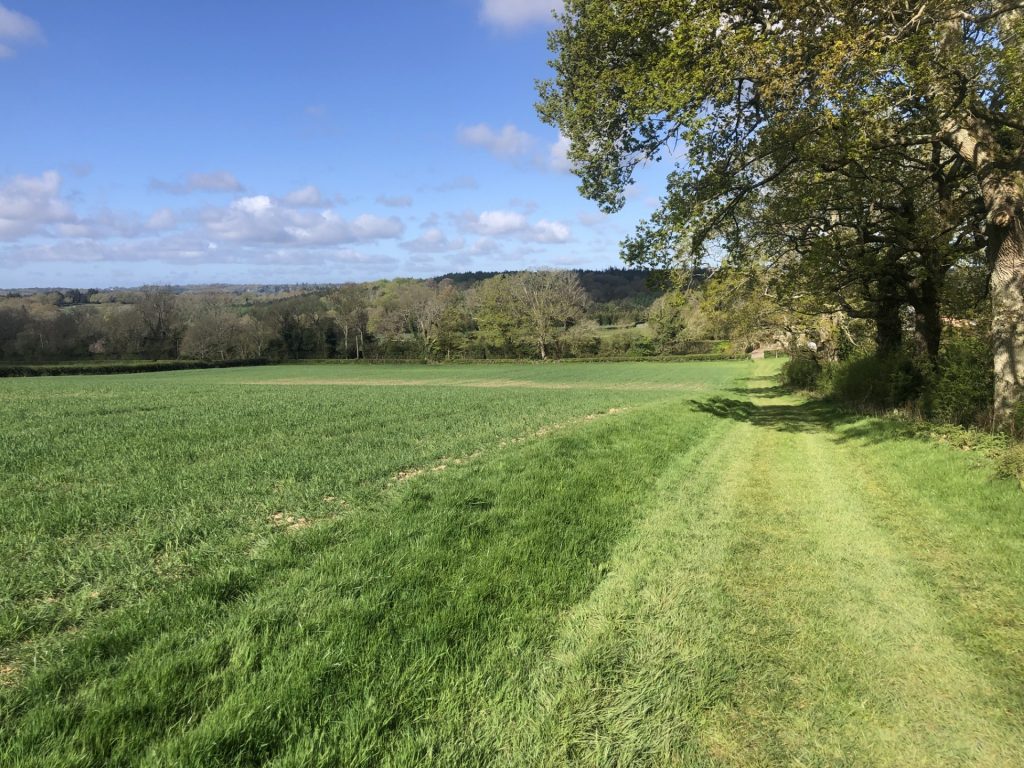
A walk from Balcombe that winds through The Warren Woodland, Bushycroft Wood and Pearcelands Wood is a wonderfully immersive journey into the deep, green heart of the High Weald. Leaving the village, the path slipped quickly into a world of tall trees, mossy banks and winding tracks that feel far removed from everyday noise. The Warren is especially atmospheric—broad rides, shifting light through the canopy and that sense of old woodland that seems to hold its own quiet rhythm. As you continue into Bushycroft and Pearcelands Wood, the landscape becomes more intimate, with narrow paths threading between ferns, streams and pockets of ancient woodland that feel almost untouched.
Emerging from the trees, the route brushes past the boundary of Wakehurst Place, where the gardens and wild botanic landscapes add a subtle change in tone before the path drops towards Ardingly Brook. This stretch is peaceful and full of detail: clear water slipping over stones, birdsong echoing through the valley and glimpses of open meadows beyond the trees. The loop back towards Balcombe Lake brings a final flourish, with the water opening out between wooded slopes and offering a calm, reflective end to the walk. Returning to the village, you’re left with that satisfying sense of having travelled through a rich tapestry of woodland, water and quiet rural landscape—one of the most rewarding circuits in this part of Sussex.
Horsted Keynes
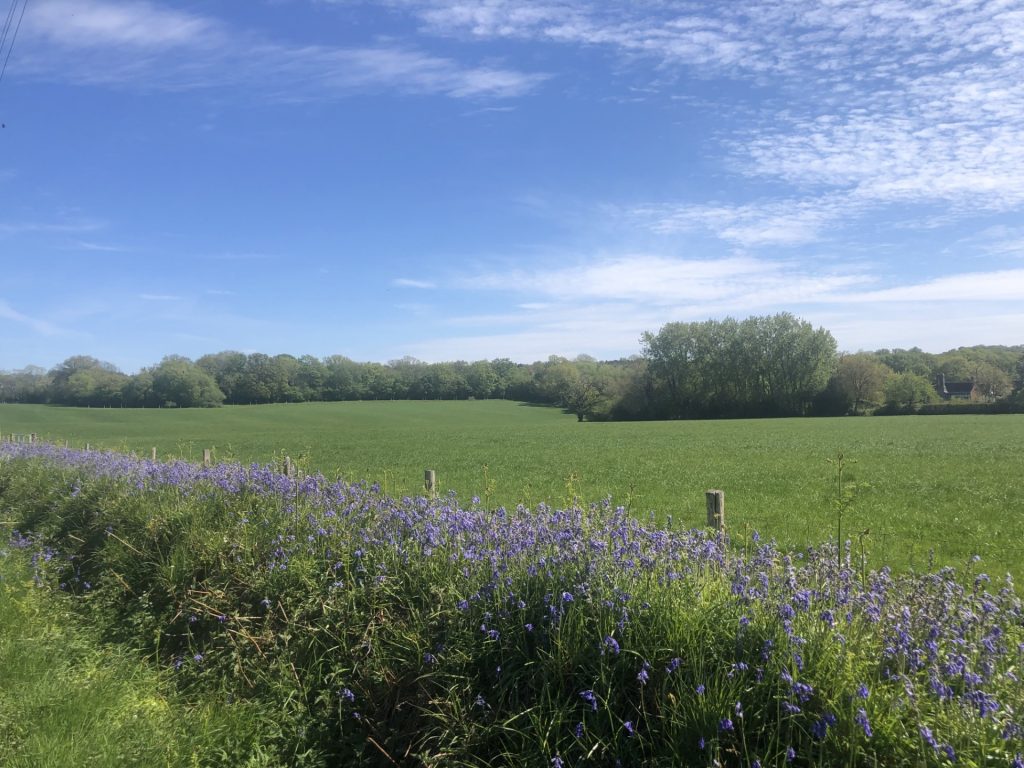
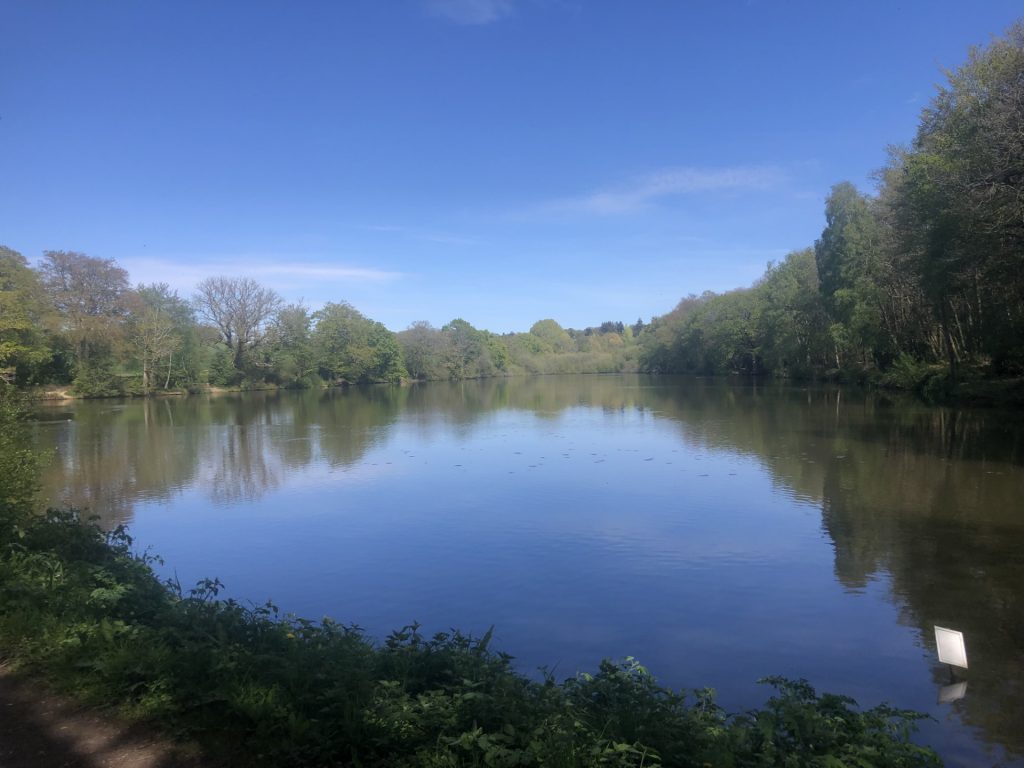
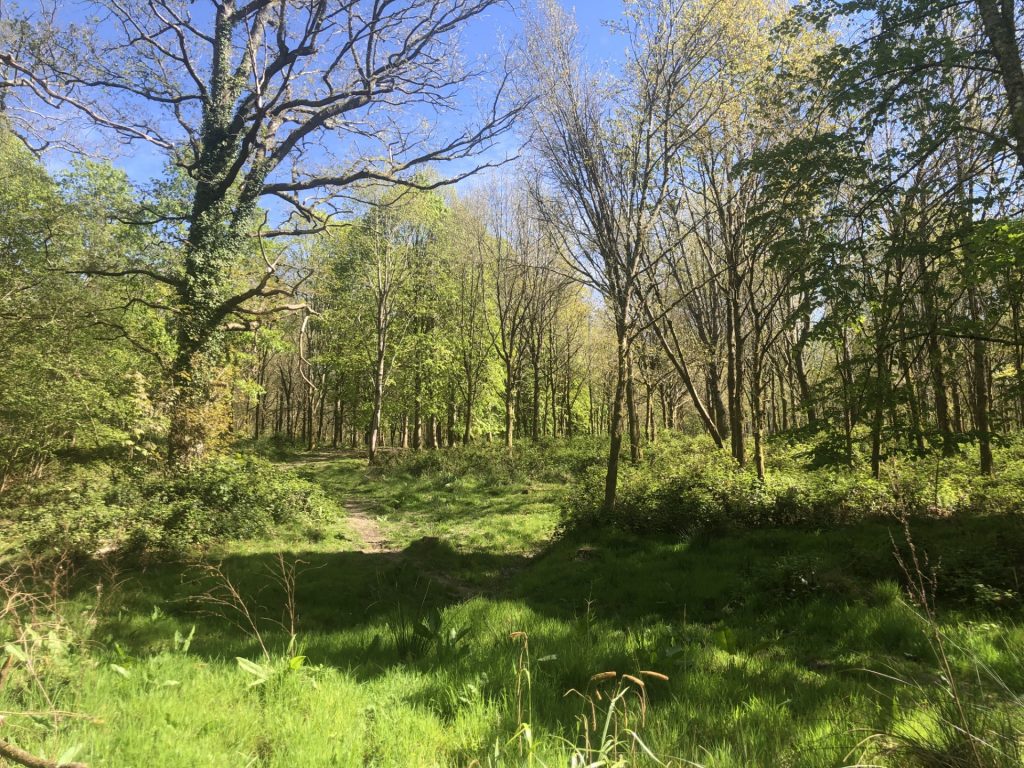
A walk from Horsted Keynes that loops past Mill Lake and Broadhurst Lake is a gentle, quietly beautiful journey through one of the most peaceful corners of the High Weald. Leaving the village, the route drops into a landscape of rolling fields and wooded edges before reaching the first of the lakes, where still water reflects overhanging trees and the occasional duck cuts a slow ripple across the surface. The path between the lakes feels wonderfully secluded, with glimpses of open farmland giving way to the cool, green shade of Birchgrove Wood. This stretch has that classic Wealden character—narrow, winding paths, mossy banks, and the sense of walking through a landscape that has changed very little over time.
Continuing through the woodland, the route passes the Ray Ward Memorial, a quiet, contemplative spot tucked among the trees, before turning back towards Horsted Keynes. As the woods thin, the landscape opens into a patchwork of meadows and gentle hills, with the village gradually reappearing on the skyline. The final approach feels warm and welcoming, especially with the promise of Horsted Keynes’ pubs waiting at the end—perfect for rounding off the walk with a drink or a meal. Altogether, it’s a route that blends lakeside calm, deep woodland and classic Sussex countryside, making it a deeply satisfying circuit.
Hornshurst Wood
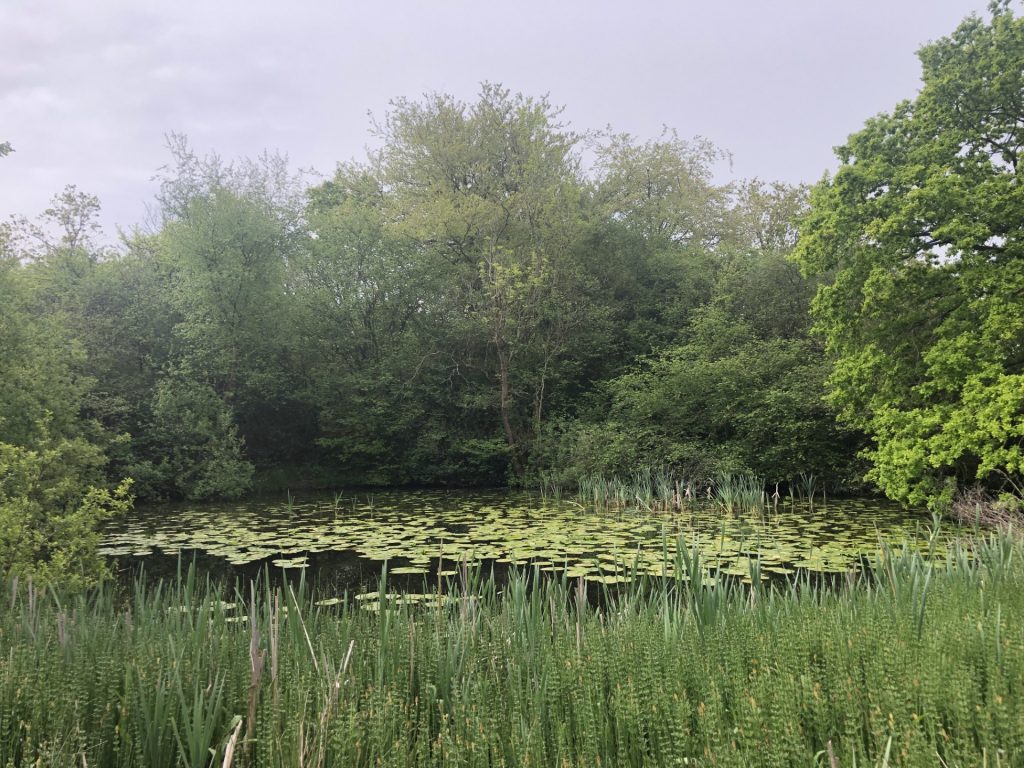
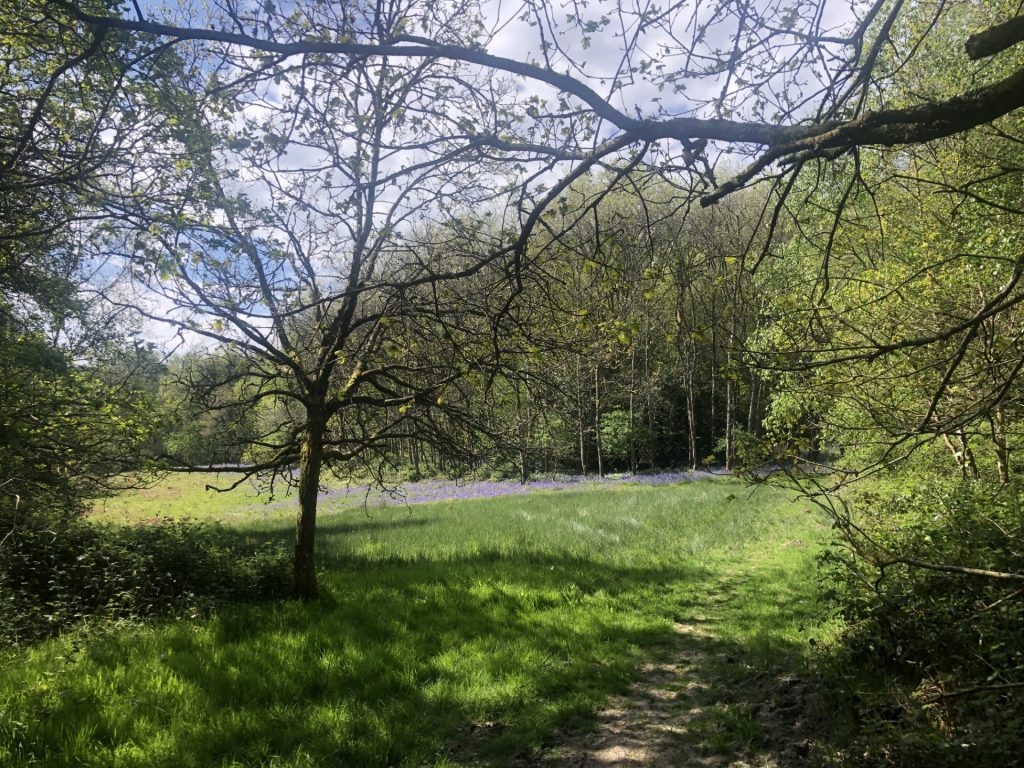
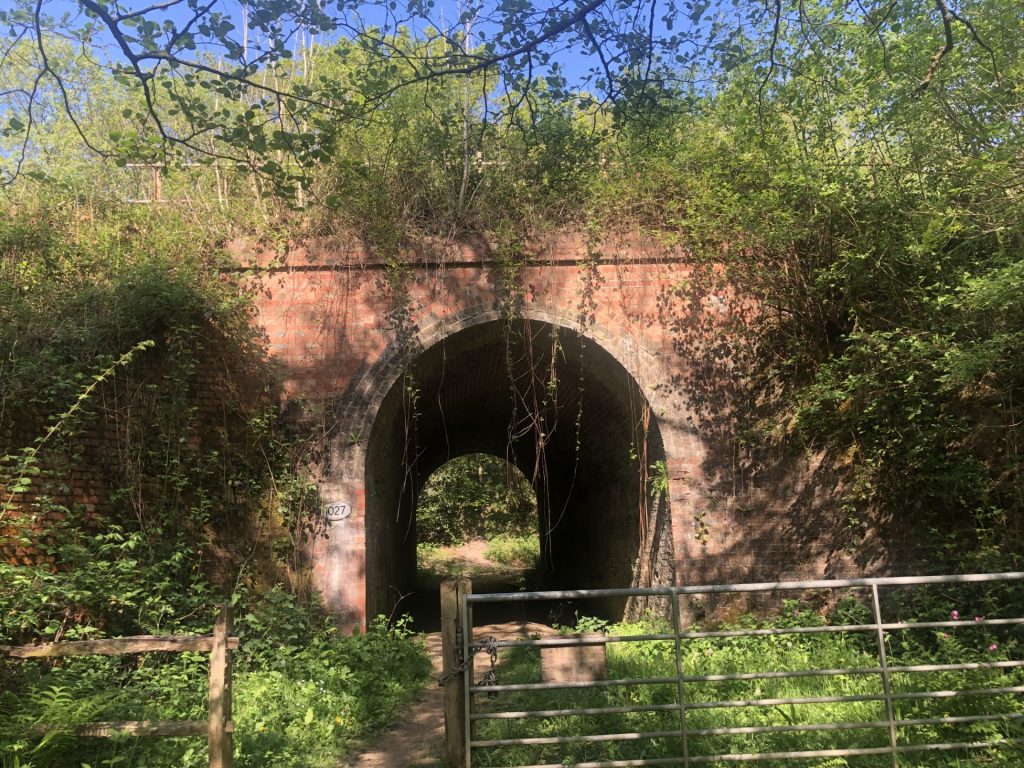
A walk through Hornhurst Wood in the High Weald National Landscape is a wonderfully varied journey that blends woodland calm with the gentle character of Sussex farmland. Leaving the trees of Hornhurst behind you, the path winds through a landscape shaped by ancient routeways, small fields and hedgerows alive with birdsong. The woodland itself has that classic High Weald feel—tall oaks and chestnuts, mossy banks, winding tracks and sudden clearings where light pours through the canopy. As you emerge into open ground, the views stretch across rolling fields towards the ridges that frame this part of the Weald, giving the walk a lovely rhythm between enclosed woodland and open countryside.
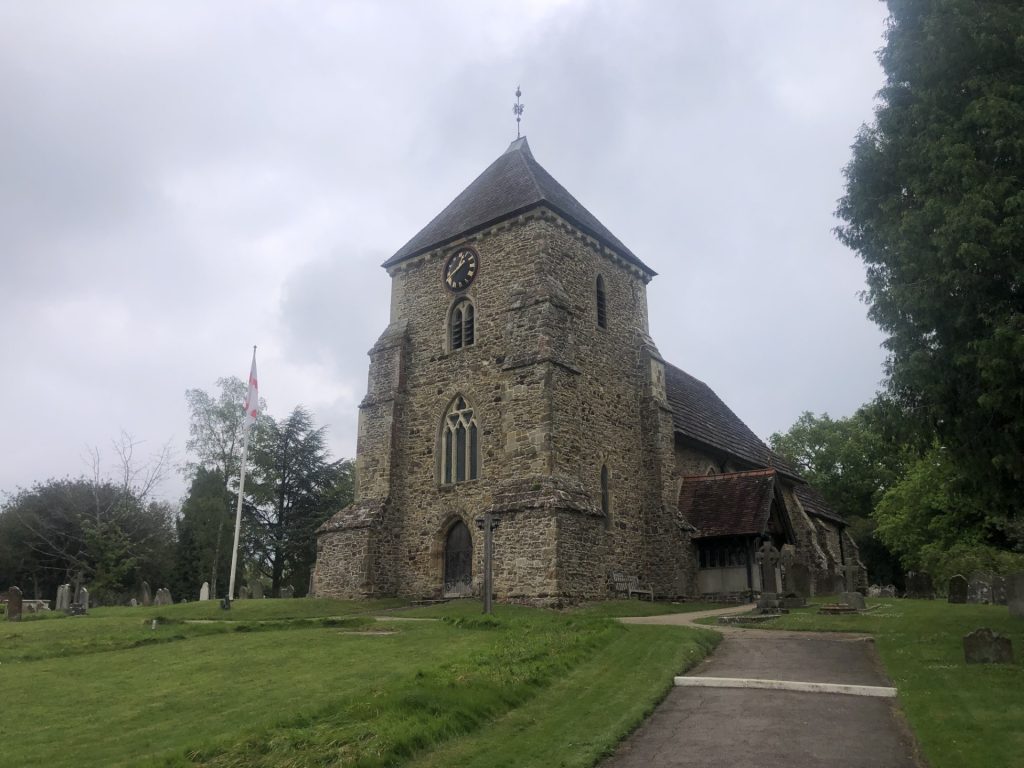
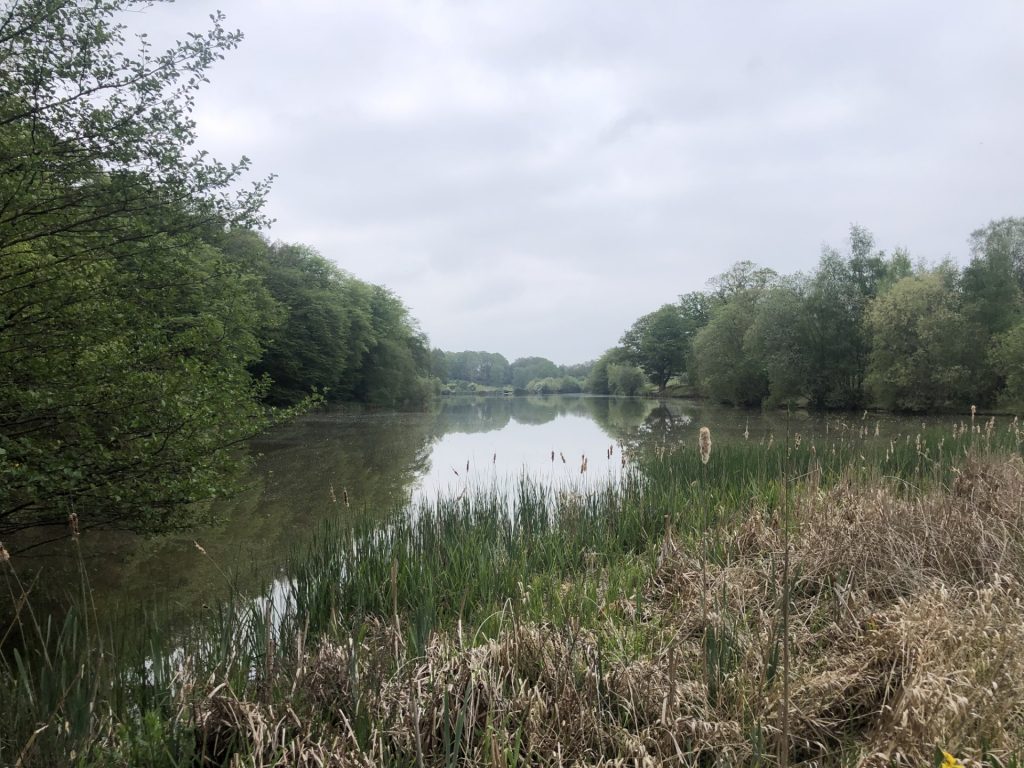
Continuing towards Rotherfield, the route picks up the village’s distinctive mix of flint cottages, timbered buildings and quiet lanes that climb gently to the historic church at its centre. Local landmarks—old farmsteads, weathered barns, and long‑established field boundaries—give the walk a strong sense of place, grounding it in the deep rural history of the area. Looping back towards Hornhurst Wood, the path dips once more into the cool shade of the trees, where the sounds of the village fade and the woodland atmosphere returns. It’s a walk that blends heritage, landscape and tranquillity, offering a perfect snapshot of what makes the High Weald so quietly captivating.
Rudgwick
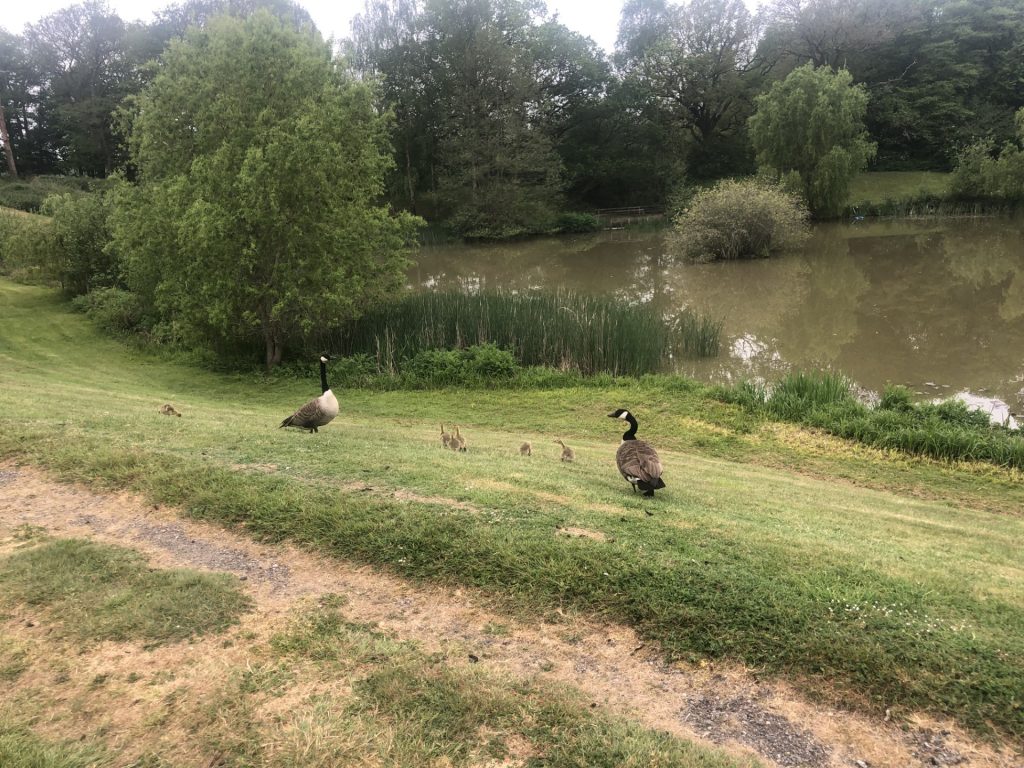
A walk from Rudgwick that takes in Gravatt’s Hangar, Greathouse Hangar, Roman Woods and the historic Site of Ironworks is a wonderfully layered journey through deep woodland, quiet valleys and traces of early industry hidden in the landscape. Leaving the village, the route slips quickly into the cool shade of Gravatt’s and Greathouse Hangar Woods, where tall trees, fern‑lined paths and the scent of leaf‑mould create that classic Wealden woodland atmosphere. These woods feel old and enveloping, with winding tracks that rise and fall gently as they follow the natural folds of the land. As you continue into Roman Woods, the sense of history deepens—earthworks, old boundary banks and subtle changes in the terrain hint at centuries of human use long before the modern village existed.
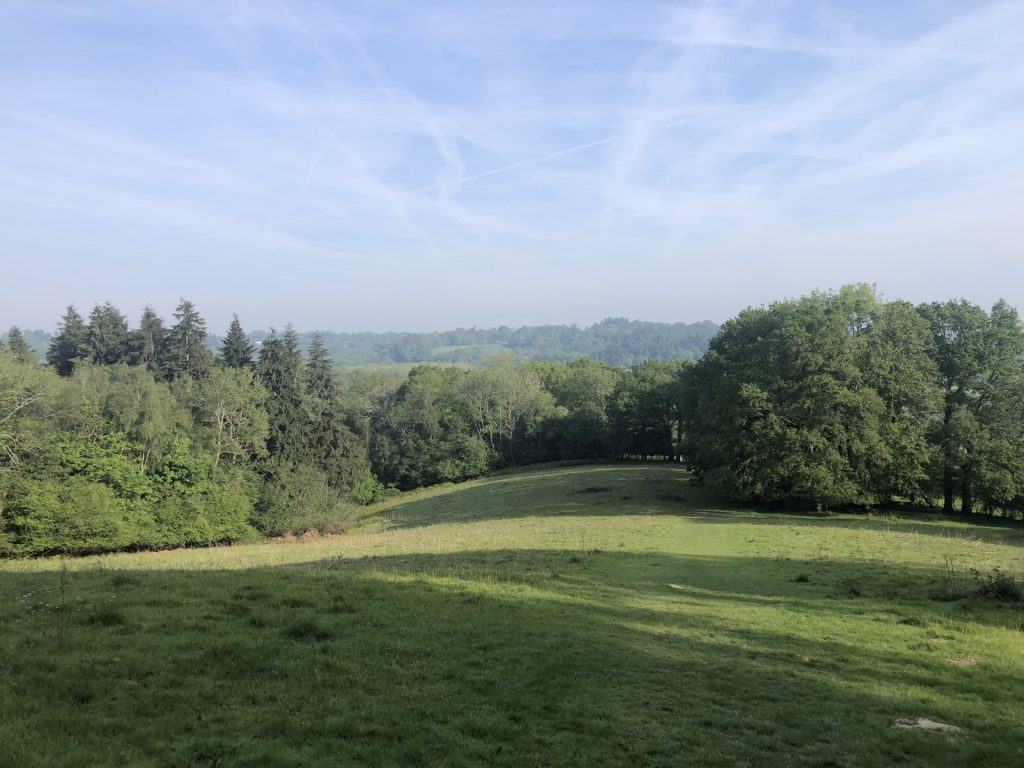
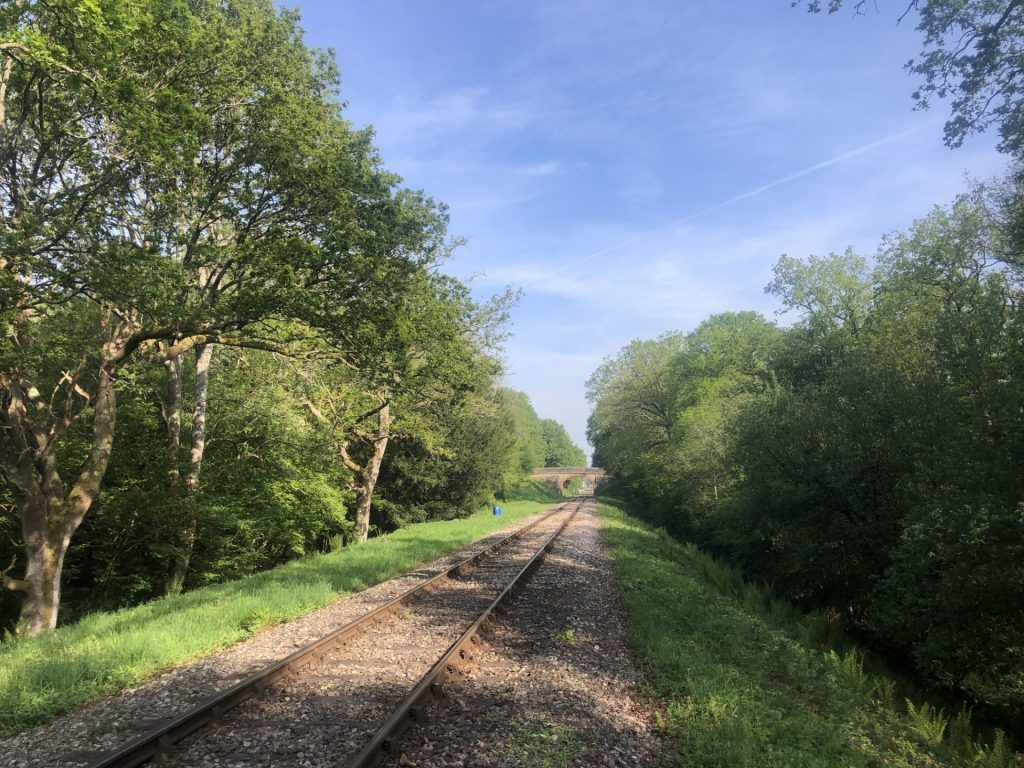
The walk’s most distinctive feature is the historic Site of Ironworks, a reminder of the Weald’s role as a major centre of iron production from medieval times through to the early industrial era. Even though much is now softened by moss and woodland, the remnants of furnaces, water systems and working platforms give this section a quiet, evocative character. From here, the route passes Furnace Lake, its still water reflecting the surrounding trees and offering a peaceful pause before joining the Downs Link. This former railway line provides an easy, flowing return towards Rudgwick, with wide views opening between wooded stretches. Altogether, it’s a walk that blends deep woodland, industrial heritage and gentle countryside into a richly satisfying circuit.
West Hoathly
A walk from West Hoathly that threads through Gravetye Manor Gardens, Warrens Wood and Bushy Wood is a richly textured journey through some of the most beautiful and historically layered landscapes in the High Weald. Leaving the village, the route descends towards the celebrated gardens of Gravetye Manor, where the legacy of William Robinson still shapes the land—naturalistic plantings, sweeping woodland edges and a sense of cultivated wildness that blends seamlessly into the surrounding countryside. From here, the path slips into Warrens Wood, a deep, atmospheric stretch of oak, chestnut and beech where the light filters softly through the canopy and the woodland floor is alive with ferns, moss and birdsong. The transition into Bushy Wood continues the theme of quiet seclusion, with winding tracks and glimpses of old field boundaries that hint at centuries of rural life.
Beyond the woods, the walk opens out towards Stone Farm Rocks, an impressive sandstone outcrop that rises unexpectedly from the landscape. Its weathered formations and far‑reaching views make it a striking landmark and a natural pause point before the route turns back towards West Hoathly. The return leg leads through Giffards Wood and Shagswell Wood, each offering their own blend of narrow paths, dappled light and the timeless calm of ancient woodland. As the trees thin and the village reappears on the ridge, the walk gathers itself into a satisfying finish—returning you to West Hoathly’s pubs, cottages and church with the sense of having travelled through a landscape rich in texture, history and quiet beauty.
Friends Clump
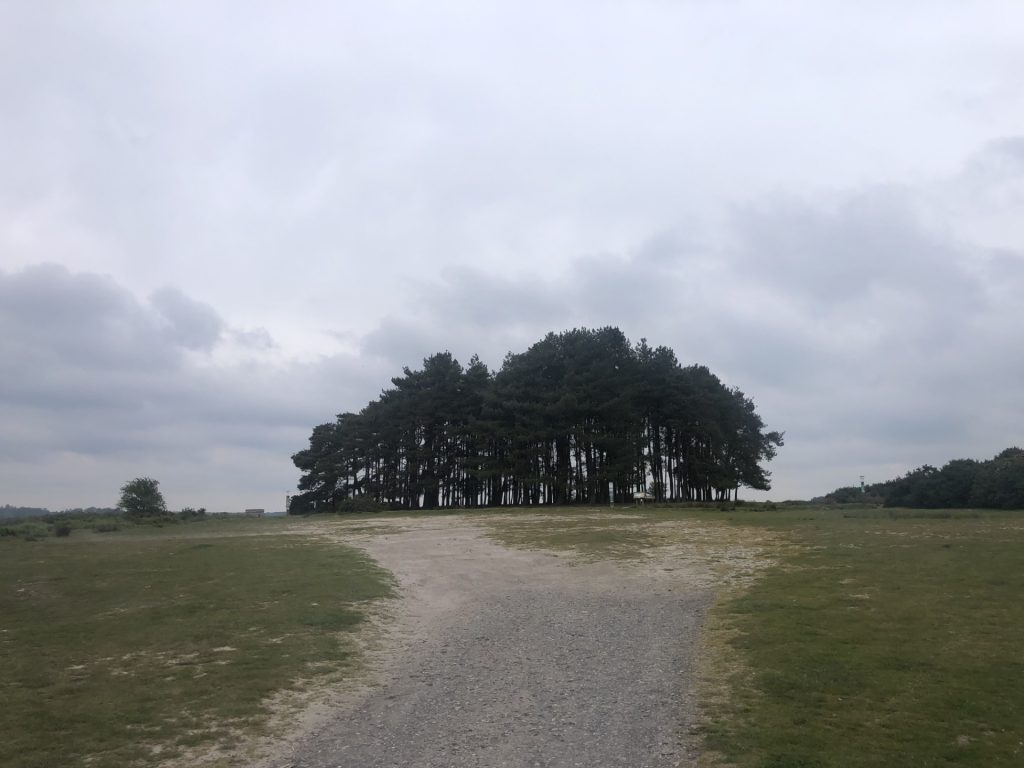
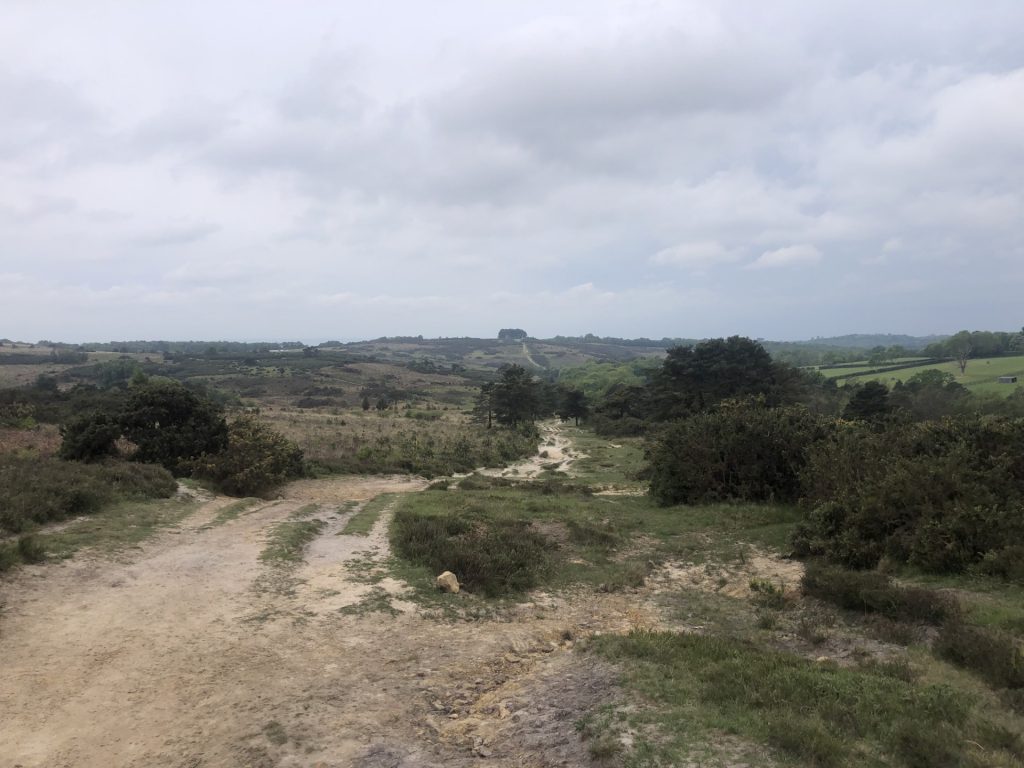
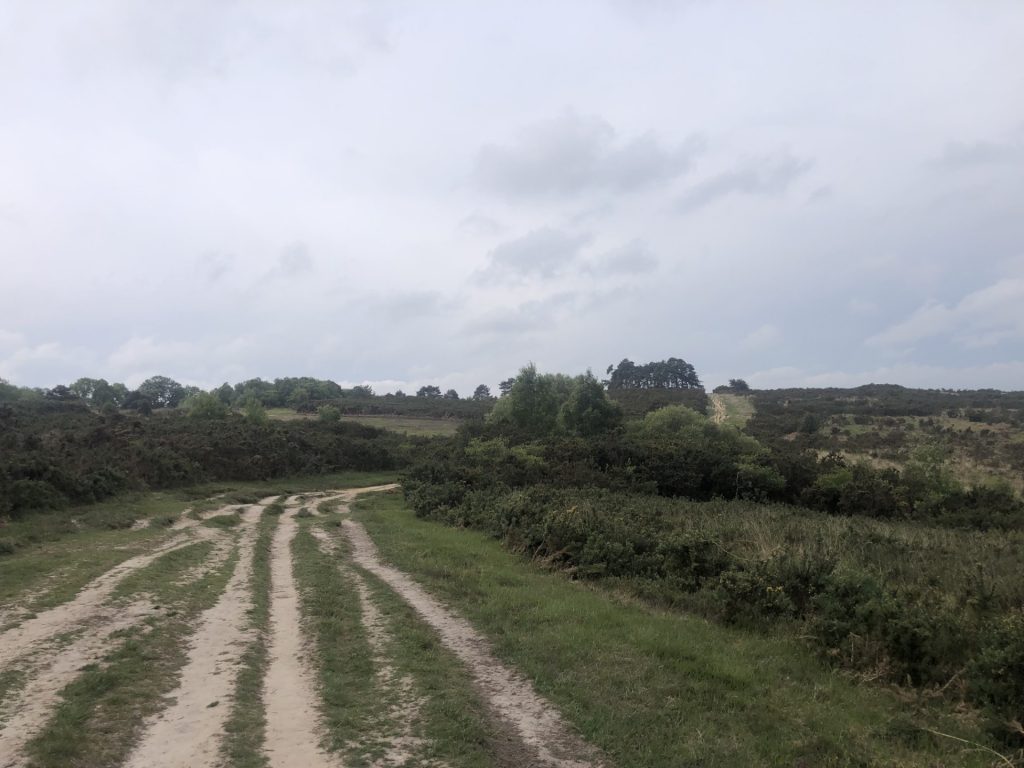
A walk from Friends Clump in Ashdown Forest begins with that classic mix of open heathland, sweeping views and the soft, resin‑scented air that always seems to hang over the pines here. The path heads out across gently rolling ground before curving towards Nutley Windmill. Even on a grey day it feels striking—white weatherboarding, long sails and wide views across the forested ridges. From here, the route opens into a broad circuit around Ashdown Forest, where sandy tracks, gorse‑lined paths and pockets of woodland create a constantly shifting rhythm. It’s the kind of landscape where you can walk for minutes in open heath and then suddenly find yourself enclosed by birch and pine.
The climb up Camp Hill adds a satisfying sense of height, giving you one of the best panoramas in this part of the forest—rolling ridges, distant farms and the patchwork of heath and woodland that defines Ashdown’s character. The descent leads back into quieter valleys, where the paths feel softer underfoot and the forest gathers into a more intimate scale. As you loop back towards Friends Clump, the trees open once more and the familiar sweep of heathland reappears, rounding off the walk with a sense of spaciousness and calm. It’s a route that blends big views, historic landmarks and the quiet magic of Ashdown Forest’s varied terrain.
Nutbourne
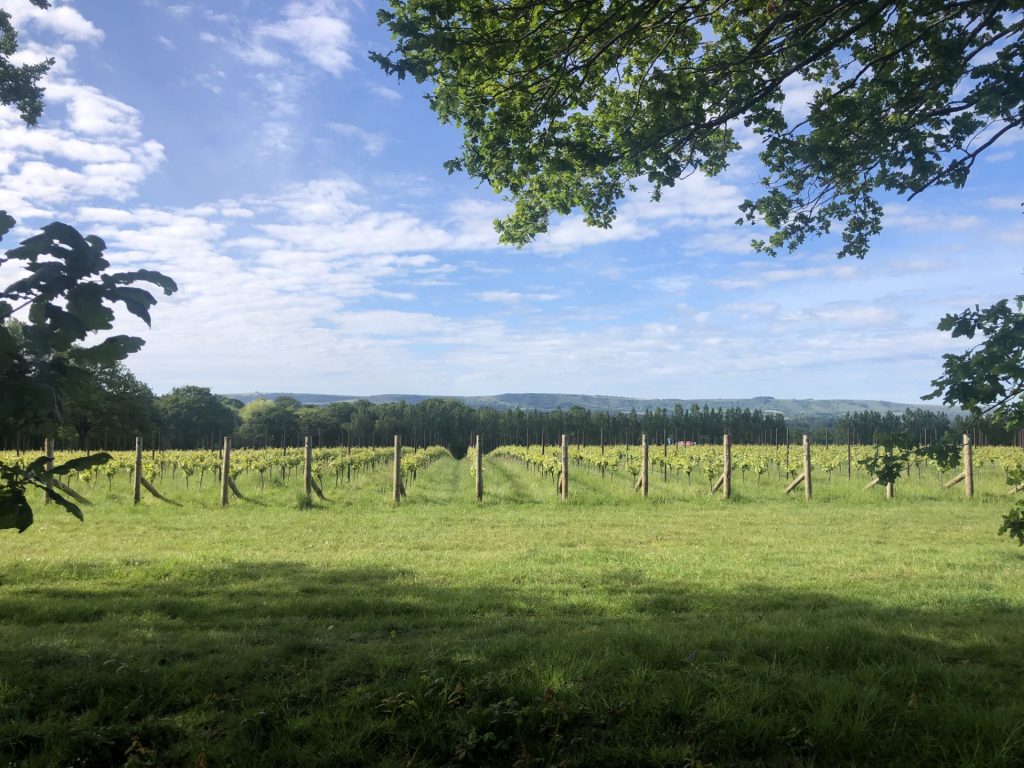
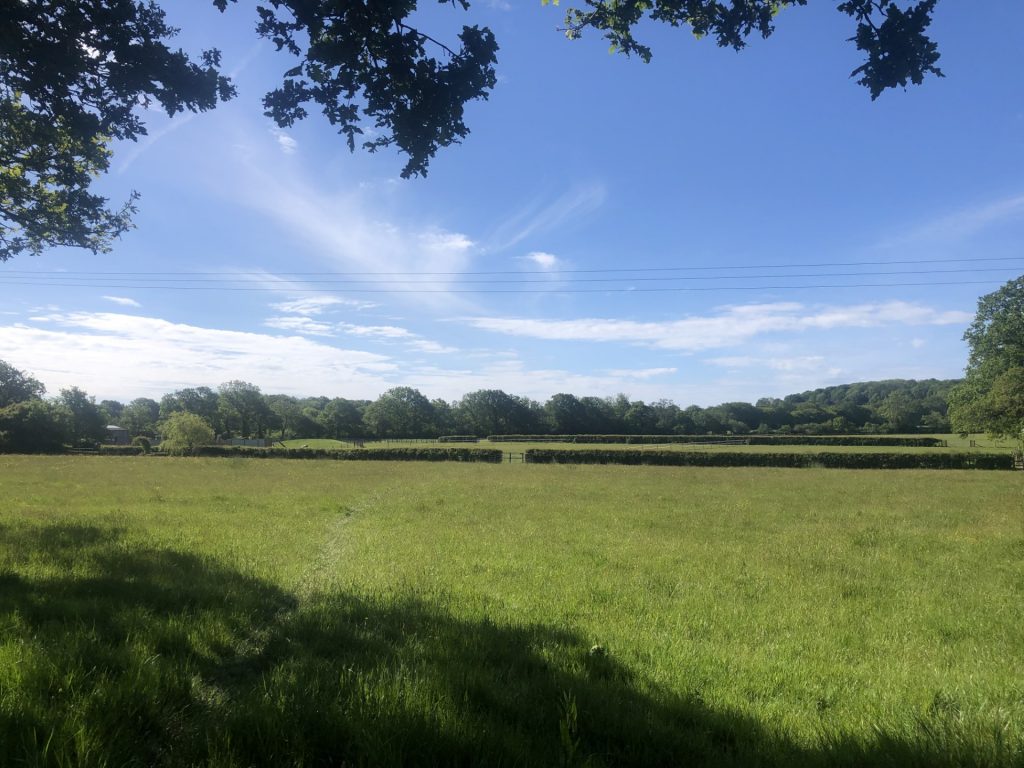
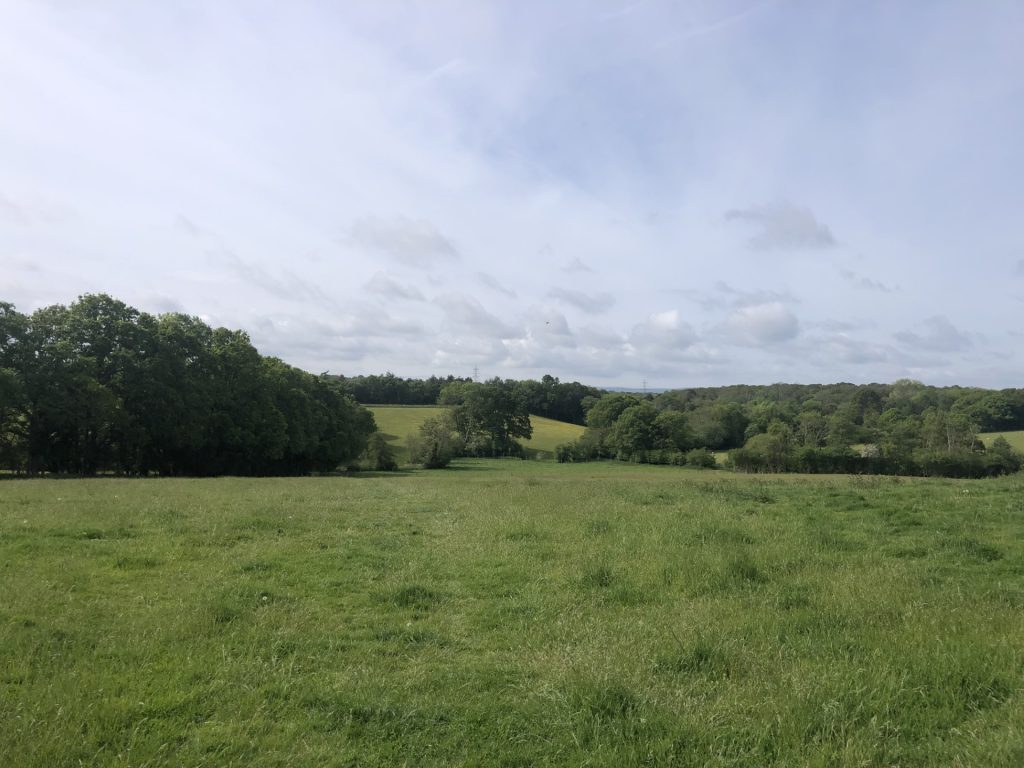
A walk from Nutbourne that passes Nutbourne Windmill begins with a lovely sense of height and heritage. The windmill stands on its rise above the village like a quiet sentinel, its white weatherboarding and broad views setting the tone for the route. From here, the path drops gently into the landscape before threading through the neat rows of Nyetimber Vineyard, where the symmetry of the vines and the open sweep of the surrounding countryside create a striking contrast. This section feels bright and expansive, with long views across the western Weald and the soft rise of the Downs in the distance. Picking up the West Sussex Literary Trail, the walk settles into a gentle rhythm, following old field boundaries and farm tracks that echo centuries of rural life.
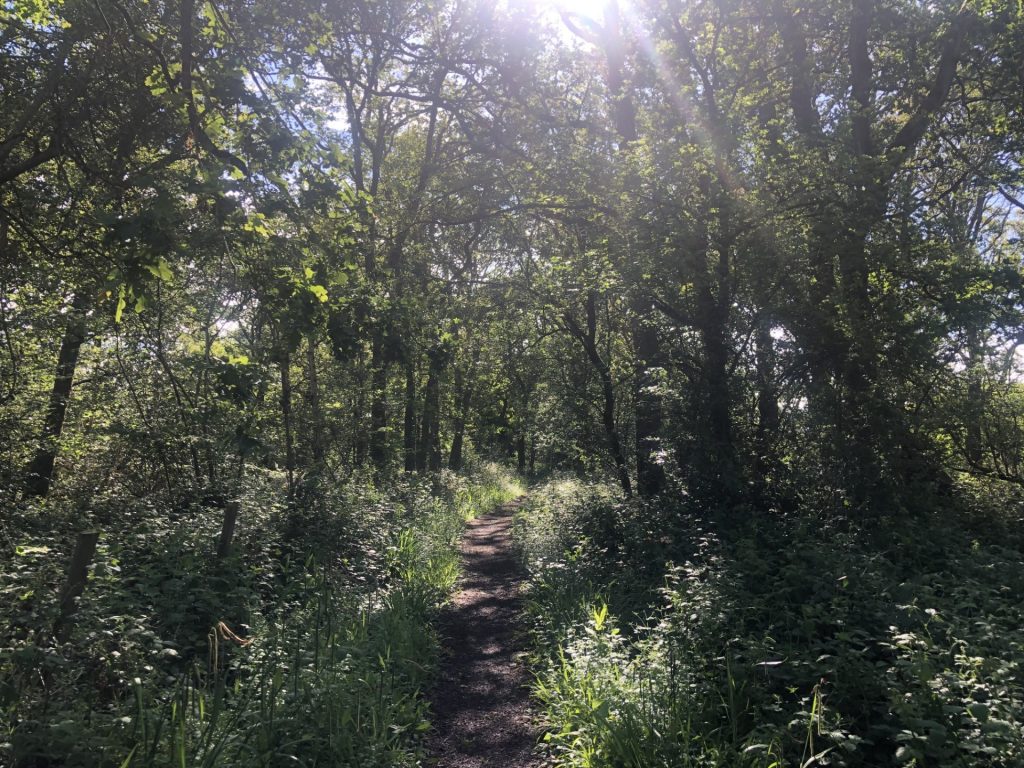
Continuing into Woodhill Copse, the mood shifts into cool woodland calm—dappled light, birdsong, and winding paths that weave between oak, hazel and chestnut. Emerging from the trees, the route loops back towards Nutbourne Vineyard, offering a second, more intimate perspective on the vines as they climb the gentle slopes around the estate. The final stretch back into the village feels warm and welcoming, with the windmill reappearing as a familiar landmark on the skyline. Altogether, it’s a walk that blends rural charm, woodland quiet and the distinctive character of Sussex wine country into a beautifully balanced circuit.
Scaynes Hill
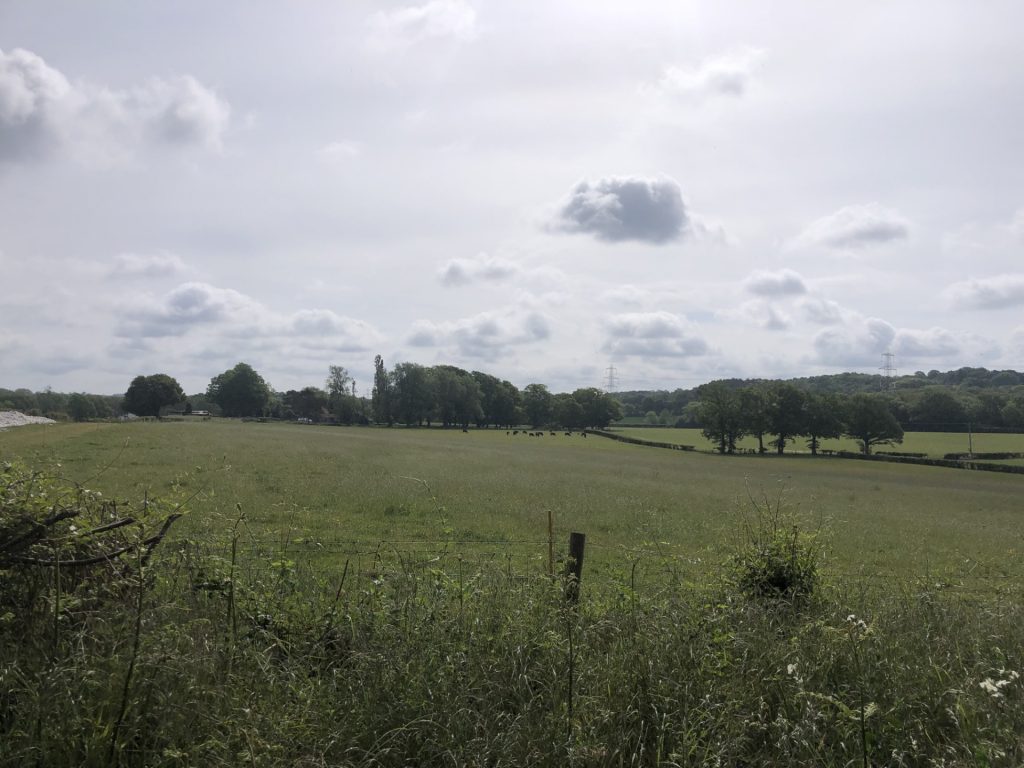
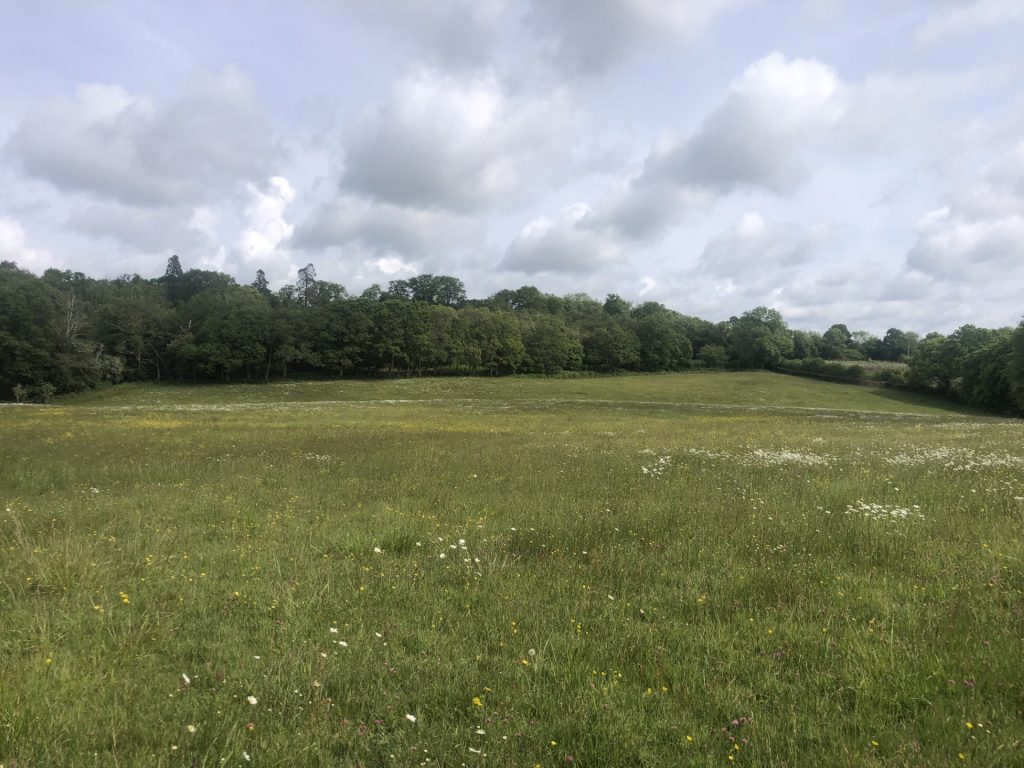
A walk from Scaynes Hill that follows both the Sussex Ouse Valley Way and the Sussex Border Path is a wonderfully varied journey through the gentle, wooded landscapes east of Haywards Heath. Leaving the village, the route settles quickly into a peaceful rhythm as it joins the Ouse Valley Way, tracing old field boundaries and quiet lanes before slipping into the cool shade of Wapsbourne Wood. This first stretch has that classic High Weald character—narrow, winding paths, mossy banks, and glimpses of small pastures tucked between the trees. The woodland feels deep and enveloping, with birdsong echoing through the canopy and the occasional stream cutting a bright line through the undergrowth.
Continuing onto the Sussex Border Path, the walk carries you into Great Wood and Henfield Wood, where the landscape becomes even more atmospheric. These woods are rich in texture: tall oaks and chestnuts, patches of conifer, and long, straight rides that suddenly give way to intimate, fern‑lined paths. The sense of quiet is striking, broken only by the rustle of deer or the tap of a woodpecker somewhere in the trees. As the route loops back towards Scaynes Hill, the woodland gradually thins and the surrounding farmland opens out once more, giving the walk a gentle, satisfying finish. It’s a circuit that blends tranquillity, variety and the timeless charm of the High Weald.
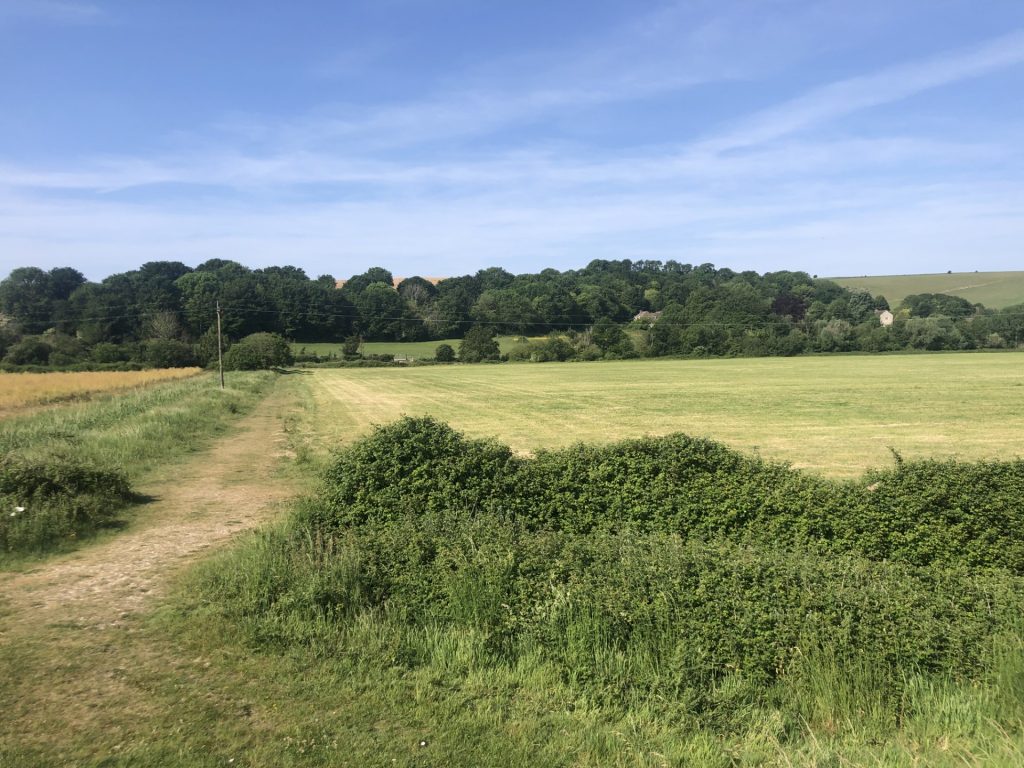
River Adur
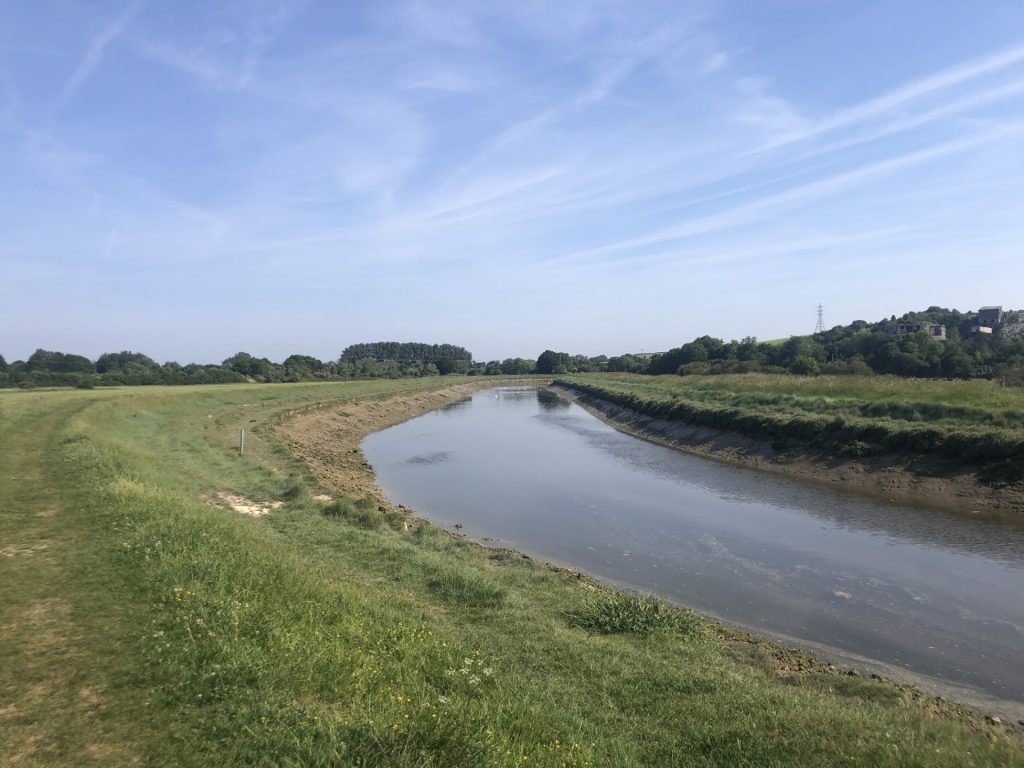
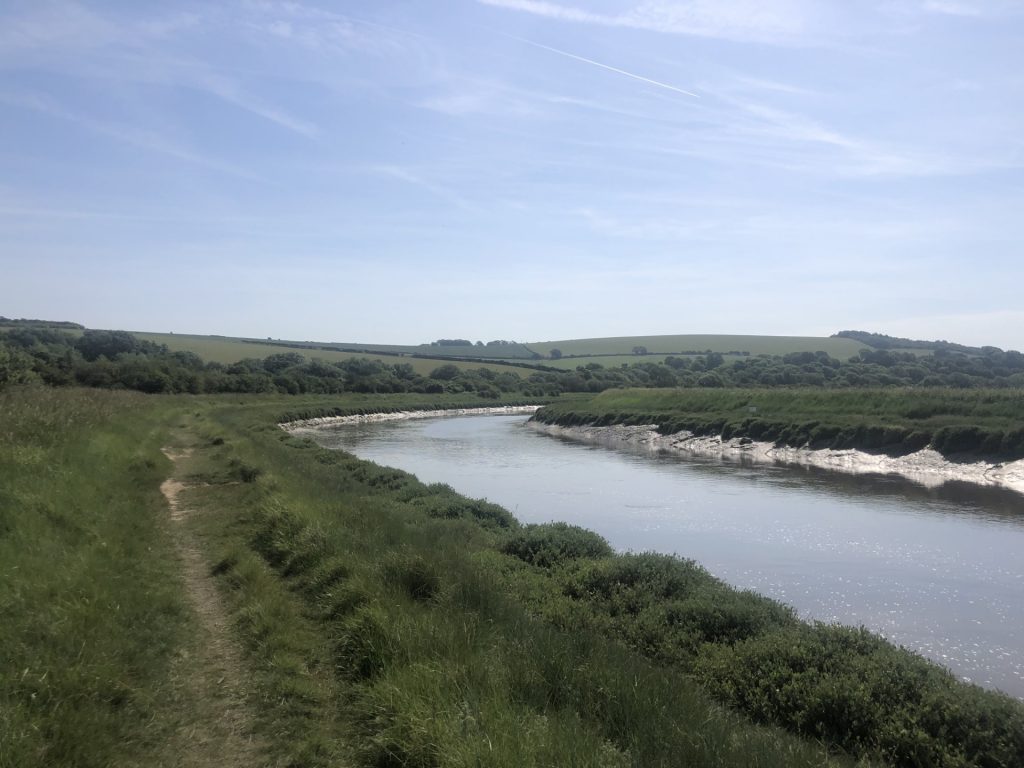
A walk along the River Adur from Bramber to Shoreham‑by‑Sea is one of the most peaceful and gently scenic riverside routes in West Sussex. Leaving Bramber, the path follows the wide, looping bends of the Adur as it winds through open floodplain meadows, with long views back to the castle ruins and the low chalk of the Downs rising behind them. The river here feels broad and unhurried, its tidal character giving the landscape a shifting, reflective quality. Wading birds pick along the mudflats, swans drift in the slower stretches, and the whole valley has a calm, expansive atmosphere that encourages an easy, steady pace.
As you continue south, the landscape gradually becomes more coastal. The river widens, the air takes on a salty edge, and the first hints of Shoreham’s harbour appear on the horizon. Approaching Shoreham‑by‑Sea, the path passes houseboats, moorings and the lively mix of river life that defines the town’s waterfront. Reaching the footbridge into the town, you’re met with cafés, quayside views and the open sweep of the estuary—an inviting place to pause before heading back or exploring further along the coast.
Plaistow
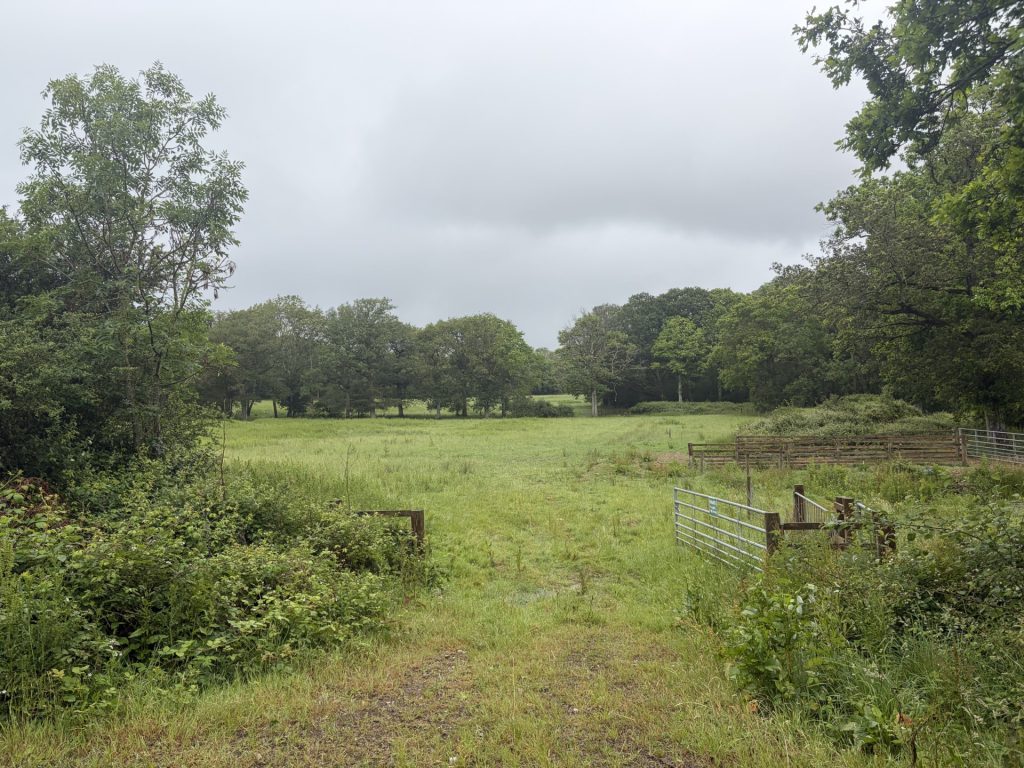
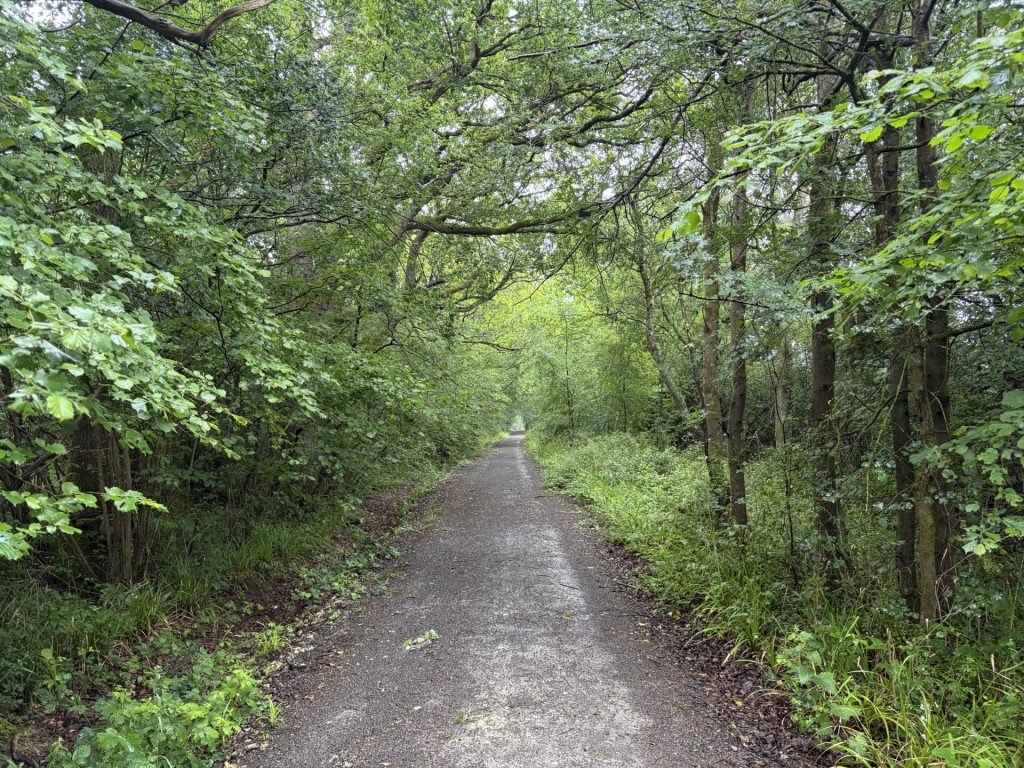
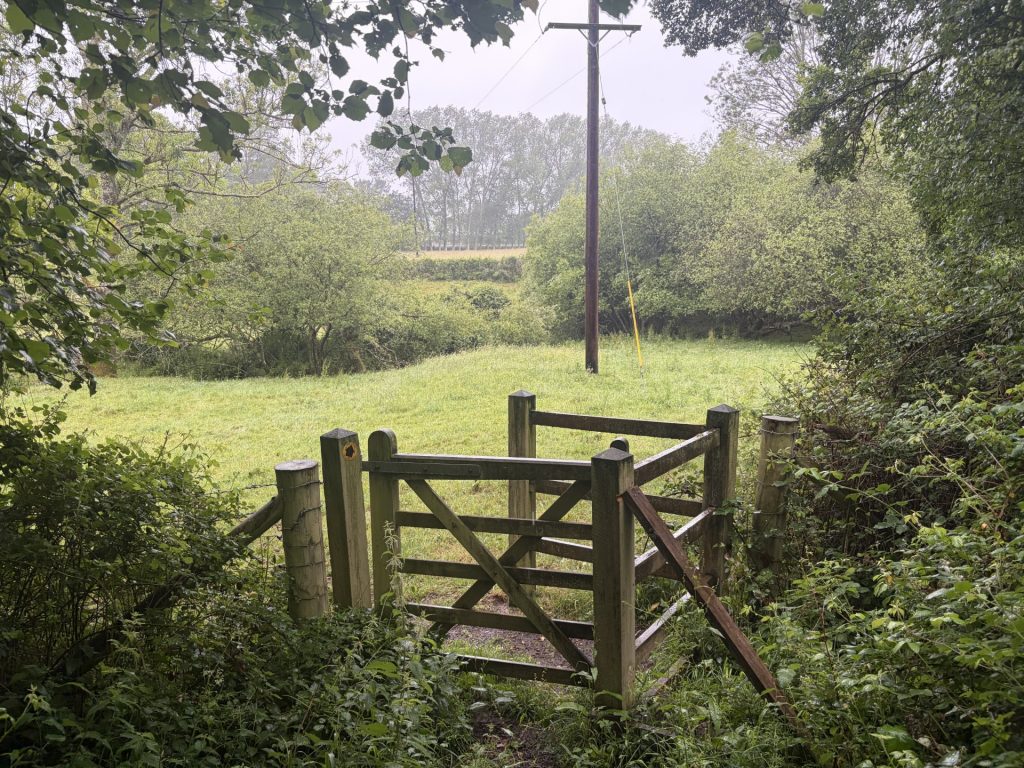
A walk from Plaistow through the Sussex Weald has that lovely, unhurried rhythm that this corner of the county does so well. Leaving the village, the route slips quickly into a landscape of small fields, old hedgerows and gently rising woodland edges. The approach to Limekiln Wood feels especially peaceful: a mix of oak, birch and chestnut, with narrow paths that weave between mossy banks and the remnants of old boundary ditches. It’s the kind of wood where birdsong carries clearly and the canopy seems to close the rest of the world away.
From Limekiln Wood the path continues across quiet farmland before dipping into Roundwick Copse, a more intimate patch of woodland with winding tracks and glimpses of open meadows beyond the trees. Emerging from the copse, the route curves back towards Plaistow, with the village’s rooftops gradually reappearing above the fields. The return feels warm and familiar, rounding off a walk that blends woodland calm, rural charm and that deep Wealden character that makes this area so rewarding to explore.
Bodiam Castle
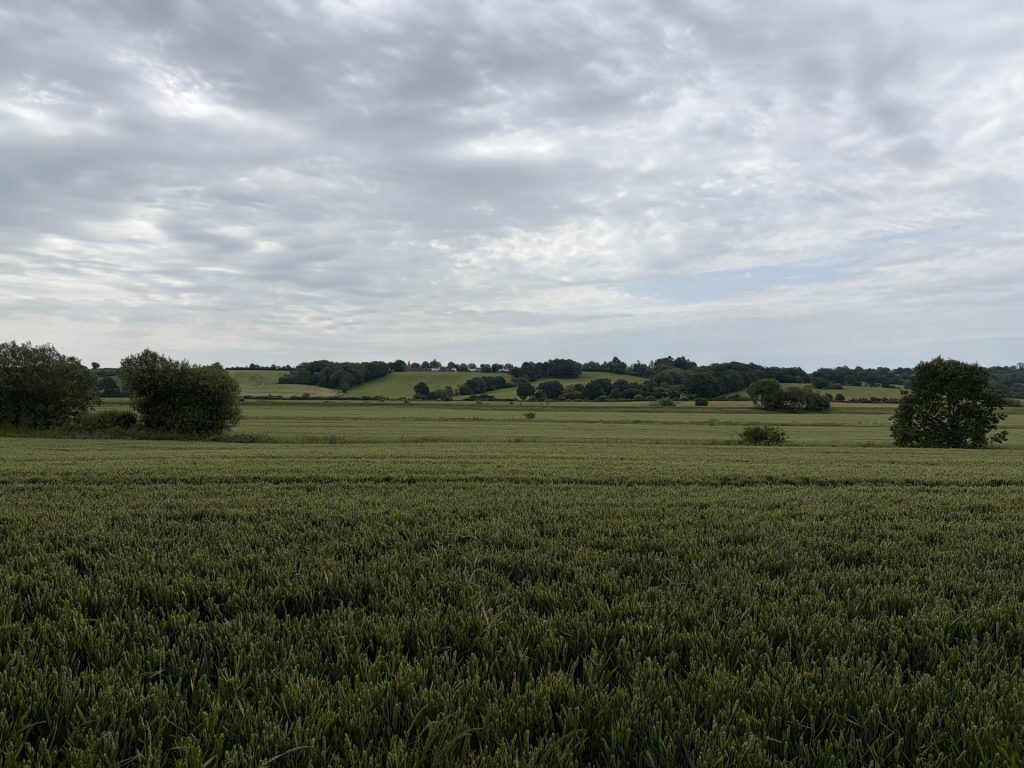
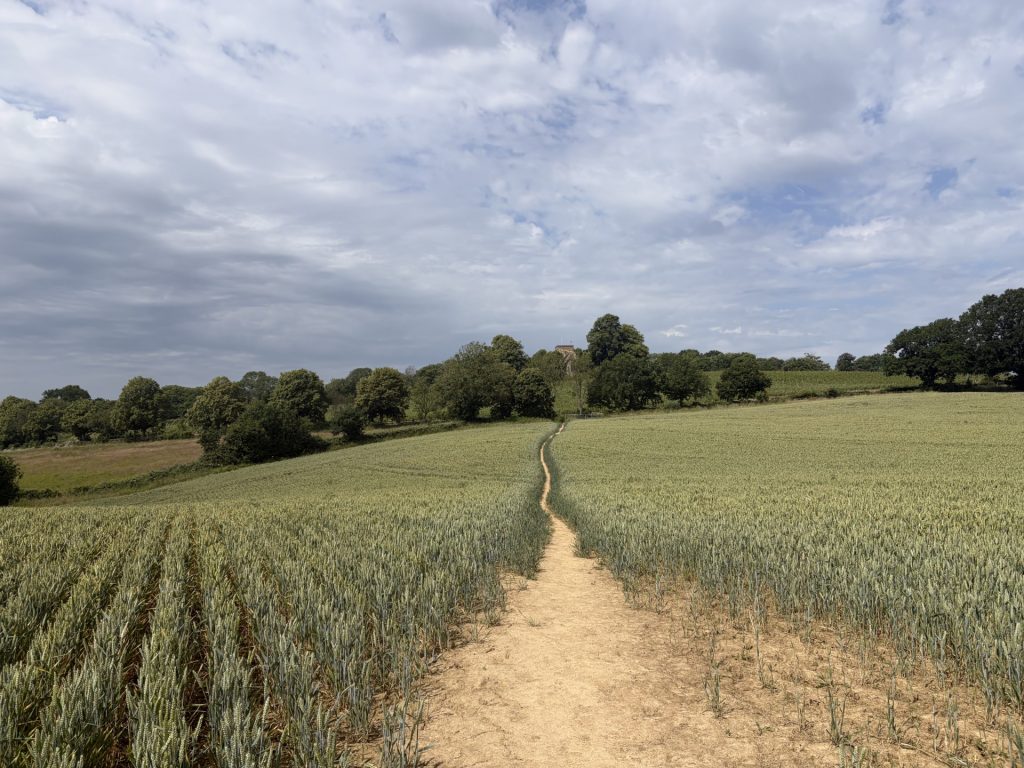
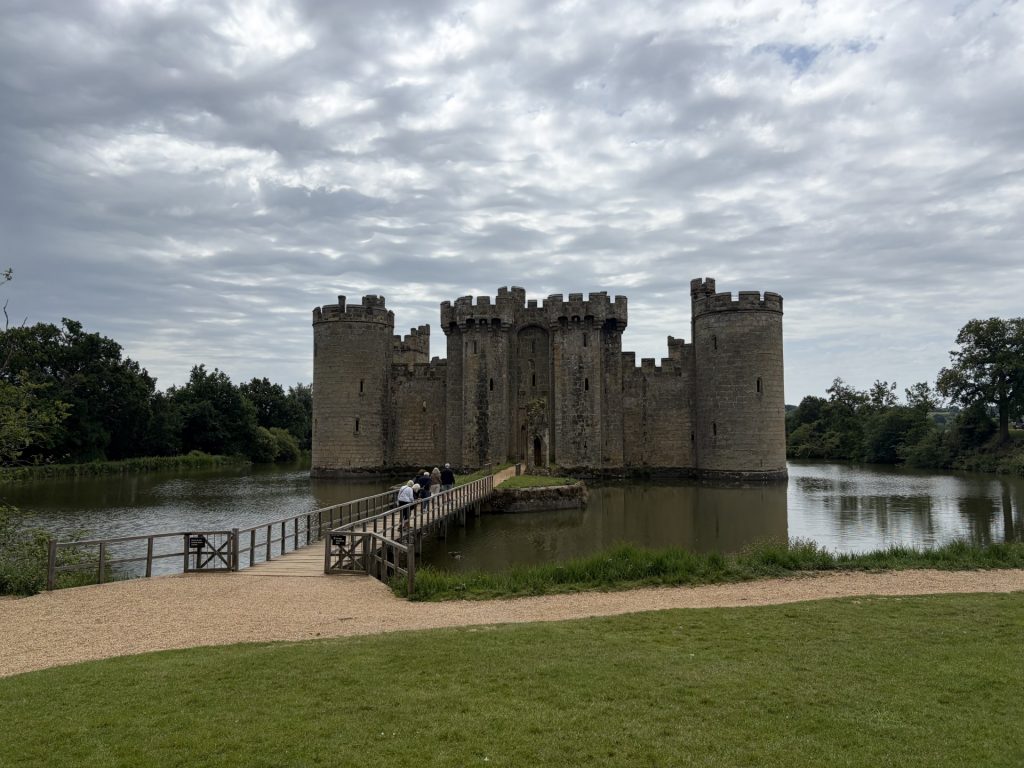
A walk from Bodiam Castle into the surrounding countryside feels like stepping out of history and straight into the quiet rhythms of the Rother Valley. Leaving the castle’s moat and its perfect silhouette behind, drifting across open meadows before joining the track towards the Kent Ditch Pumping Station. The castle remains in view for longer than you expect, gradually shrinking into the landscape as you follow the line of the ditch and slip deeper into the Wealden countryside
From here pick up the Sussex Border Path, a broad, easy going trail that carries you between hedgerows, grazing fields and long views across the valley. The farmland feels open and expansive, dotted with oaks and the occasional farmhouse, and there’s a lovely sense of calm as the path rises and falls with the contours of the land. Loop back towards Bodiam, the castle reappearing like a storybook illustration above the treetops. It’s a walk that blends medieval drama with rural stillness.
Purchase Wood
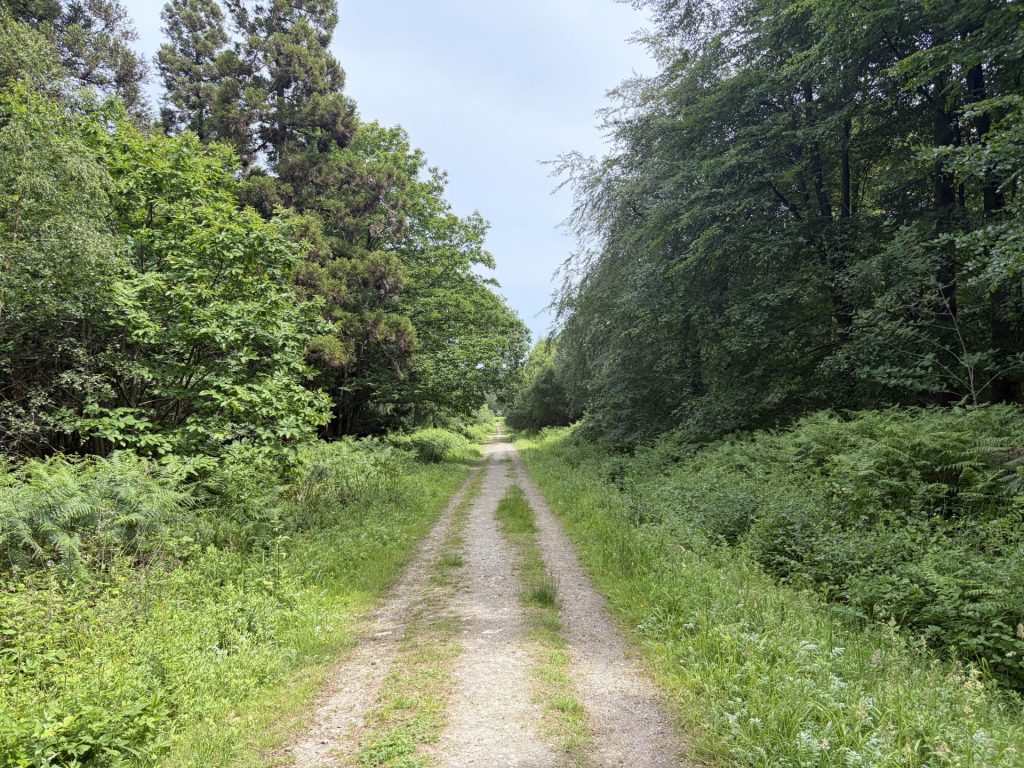
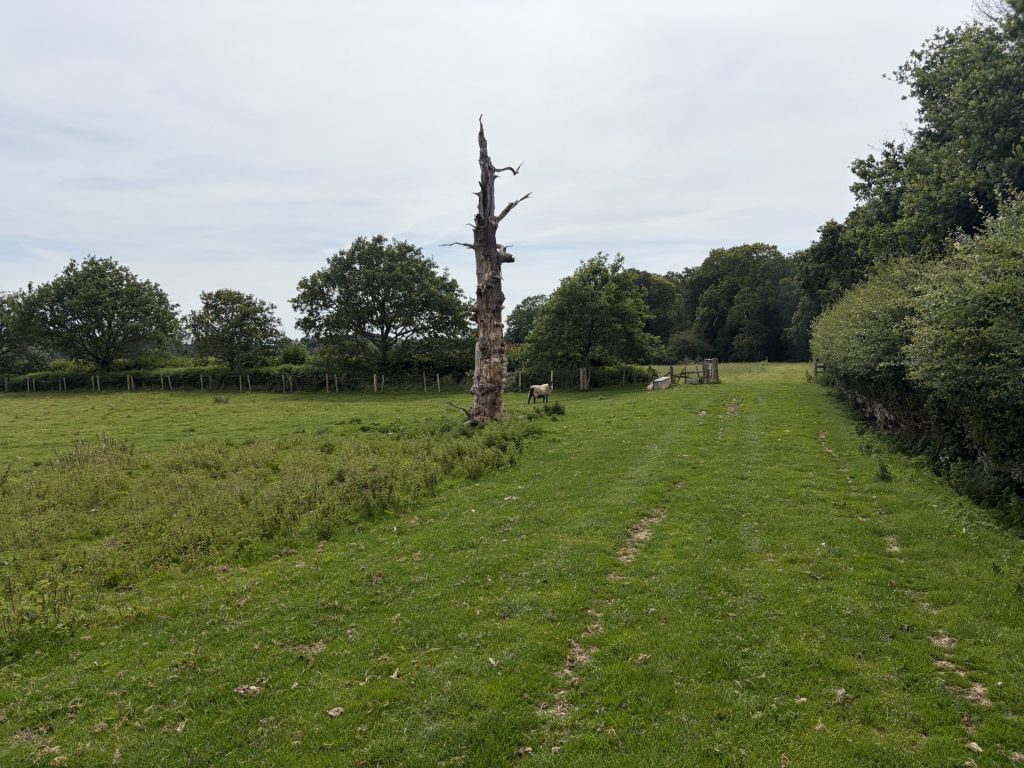
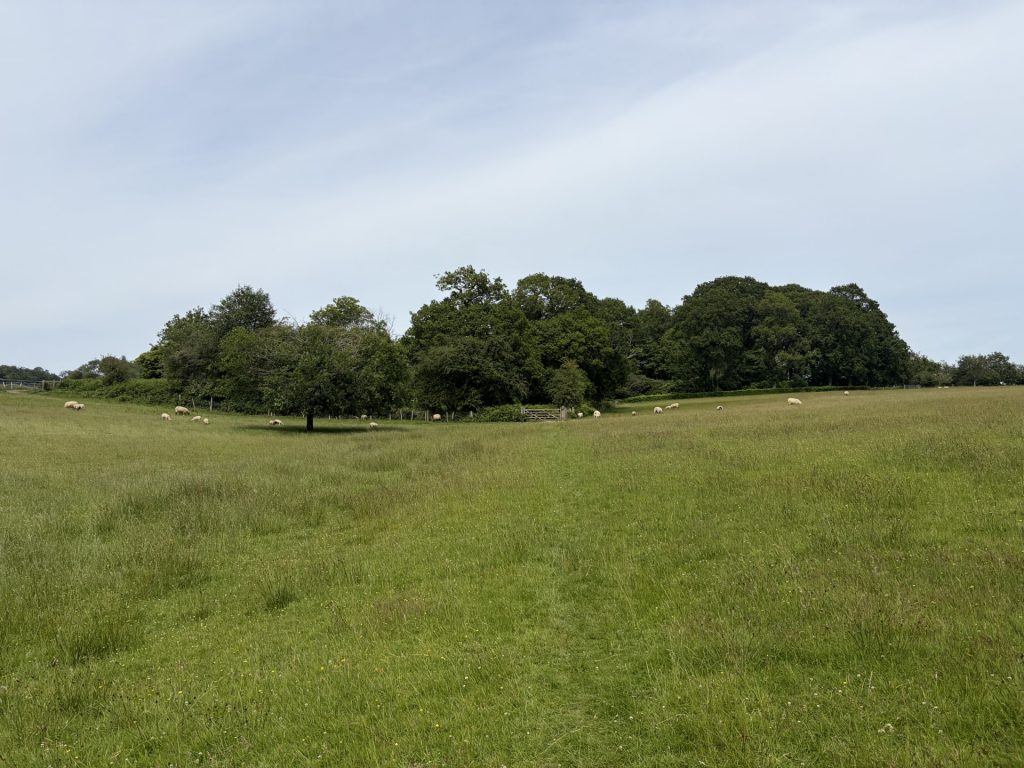
A walk through Purchase Wood in the High Weald has that lovely blend of deep woodland quiet and shifting light that makes this landscape so distinctive. The path slips quickly beneath a canopy of oak, birch and chestnut, with mossy banks rising on either side and narrow tracks weaving between tree roots. There’s a sense of old, settled woodland here, the kind that wraps around you and slows everything down.
As the route continues, it drifts naturally into Cobyle Wood, where the character changes just enough to feel like a new chapter in the walk. The trees open out in places, giving way to pockets of meadow and glimpses of the wider High Weald ridges beyond. Paths curve gently through stands of beech and hazel, the light softening as you move deeper into the wood. Eventually the trail begins to rise, the trees thinning and the woodland giving way to more open ground, leaving you with that satisfying sense of having travelled through one of the High Weald’s most peaceful and quietly beautiful corners.
The Mens
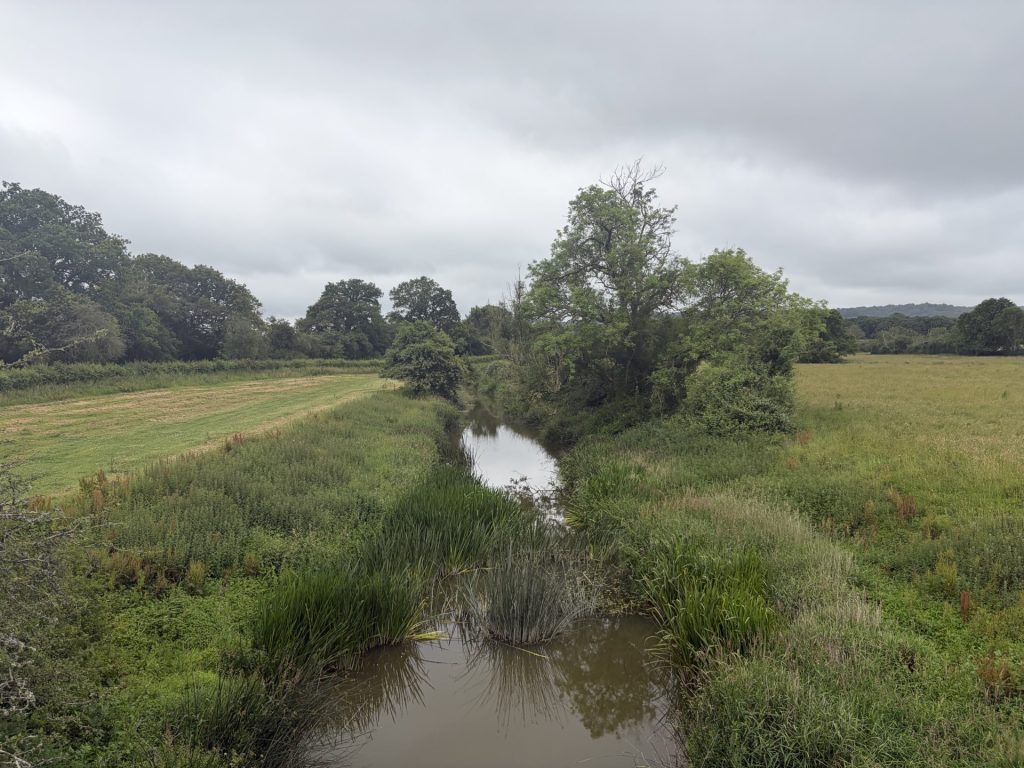
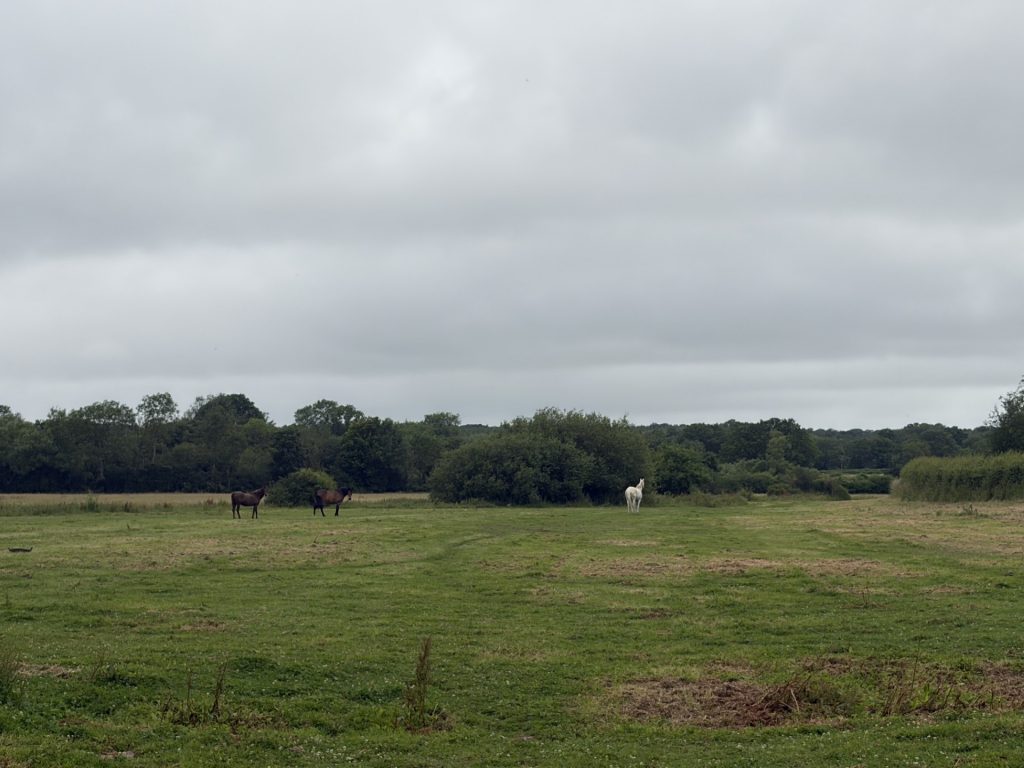
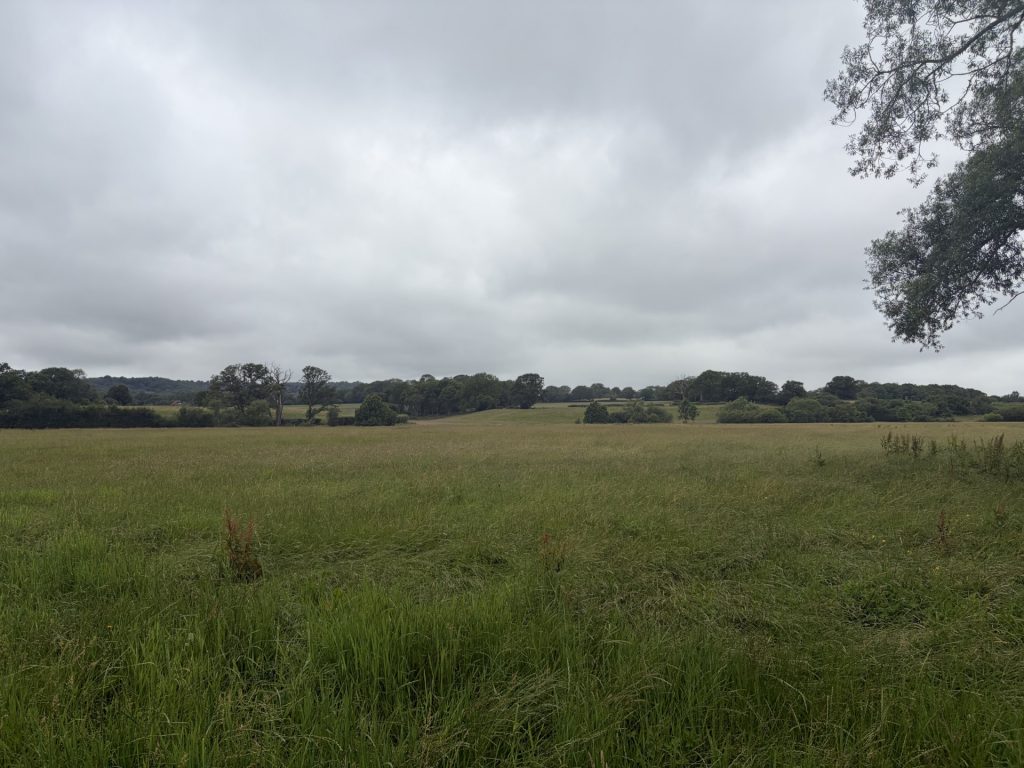
A walk into The Mens feels like entering one of the most quietly magical corners of the High Weald. The moment you step beneath the canopy, the world softens: ancient oaks twist above you, moss cushions the banks, and the air carries that deep, earthy scent you only get in truly old woodland. Paths thread between fallen trunks and fern‑filled hollows, the light filtering through in shifting greens and golds.
As you move deeper, the character becomes even more immersive. The ground dips into shaded gullies and rises onto gentle ridges, each turn revealing another pocket of untouched woodland. Deadwood lies where it falls, fungi cluster on rotting branches, and the understorey feels wild and richly textured. There’s a wonderful stillness here, the kind that encourages you to slow down and notice the details.
Kithurst Hill
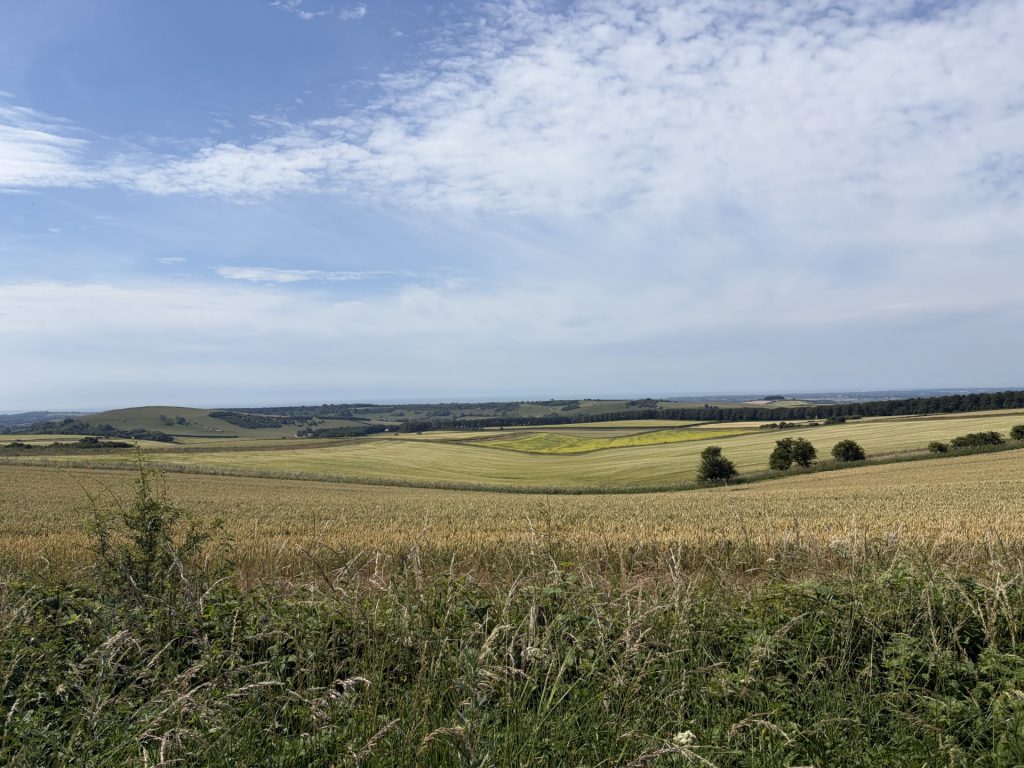
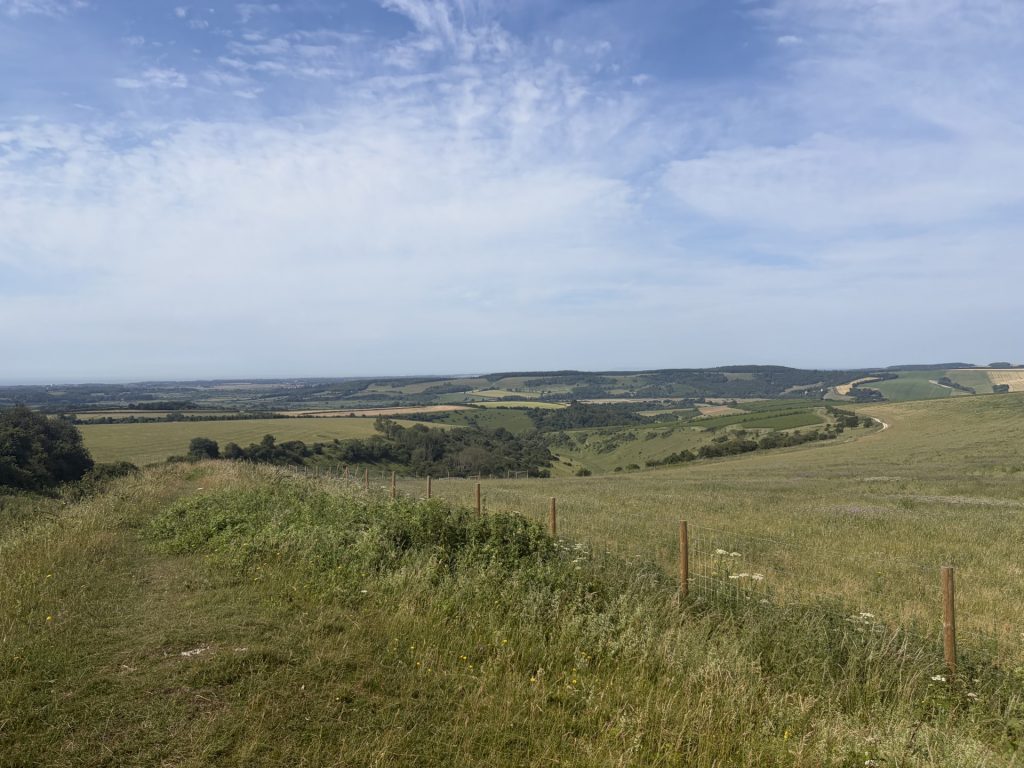
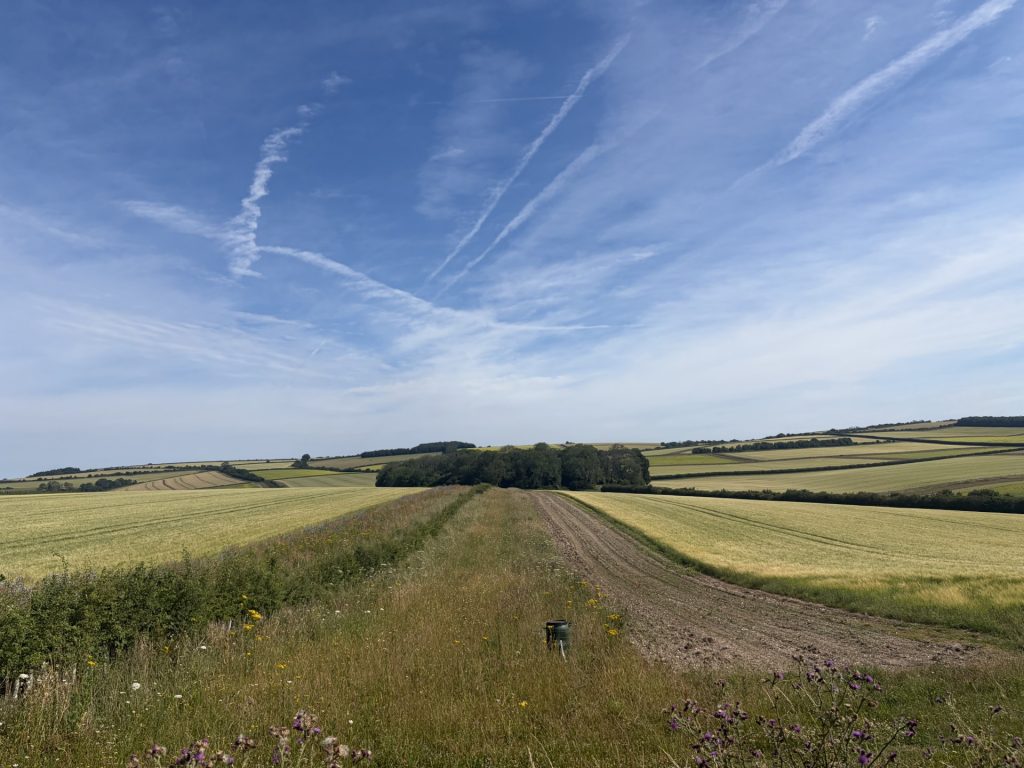
A walk from Kithurst Hill begins with that classic South Downs feeling of height and openness — big skies, rolling chalkland and long views across the Weald. The South Downs Way runs broad and easy along the ridge, curving east towards Chantry Hill, where the landscape becomes even more expansive. Chantry Hill itself feels wonderfully airy, a wide sweep of grassland where you can pause and take in the full breadth of the ridge.
From here the route loops down towards Harrow Hill, dropping into quieter folds of the Downs where the slopes gather into more intimate valleys. The change in atmosphere is lovely — from open ridge to sheltered chalk coombes, with sheep‑grazed pastures and winding tracks leading you across the hillside. Climbing back up towards Rackham Hill, the views open out once more, giving you a final panorama across Amberley and the Arun Valley before the path returns to the high ground near Kithurst. It’s a walk that blends height, solitude and sweeping scenery, one of the most rewarding circuits on this western stretch of the Downs.
Woods Mill
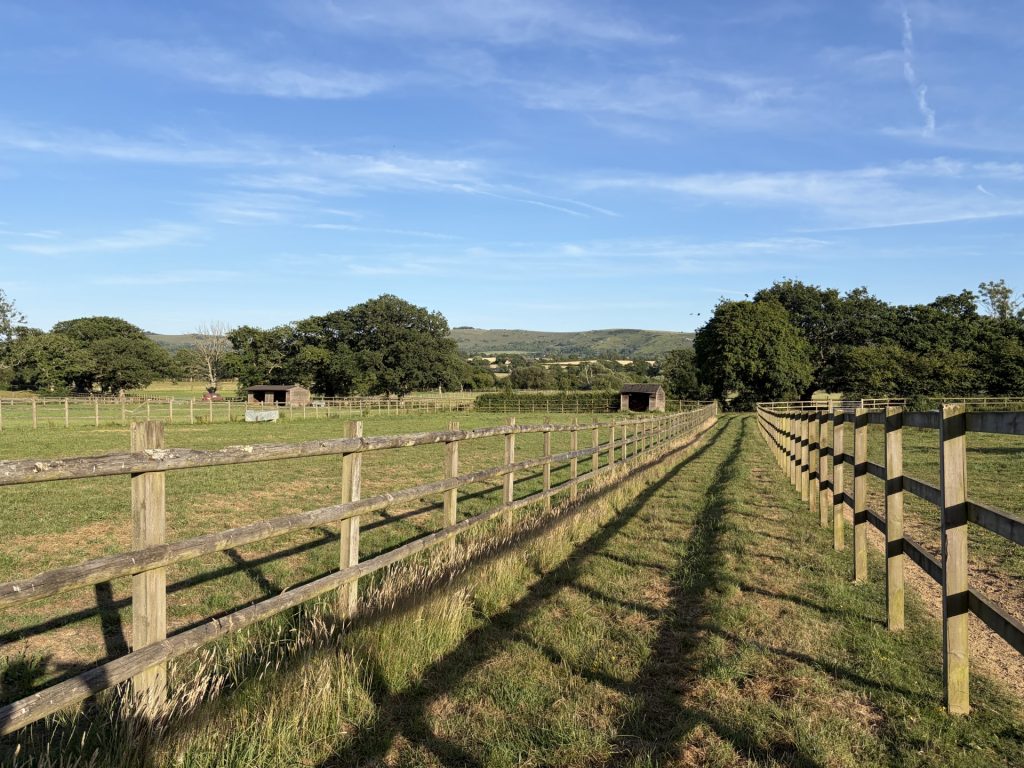
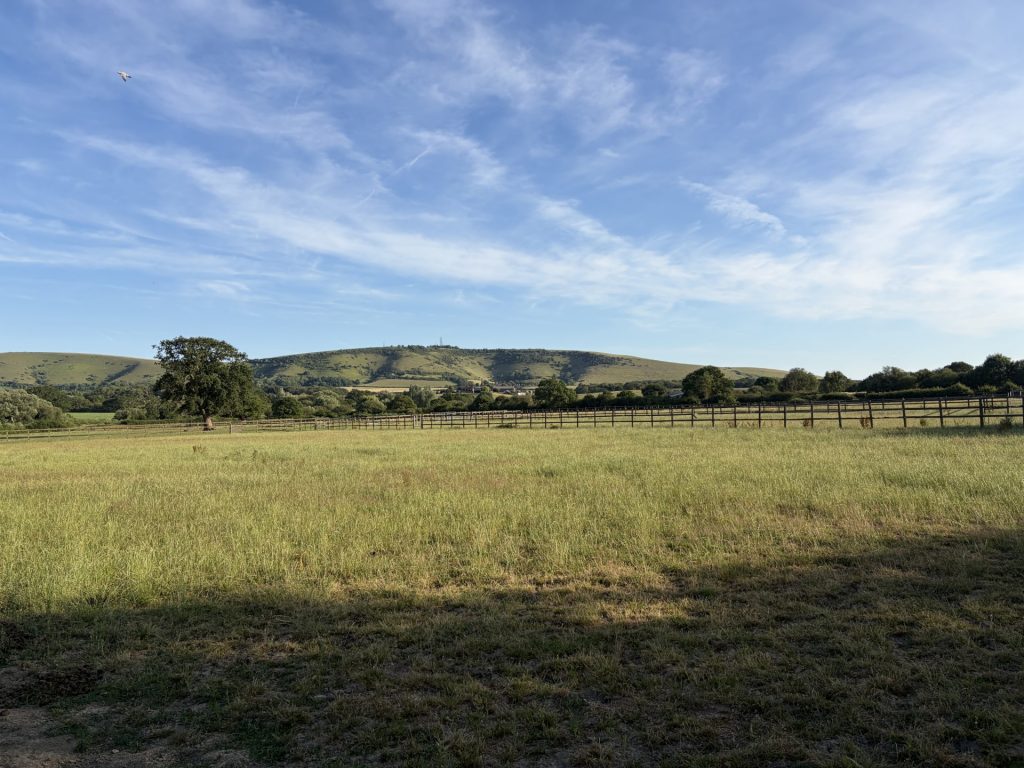
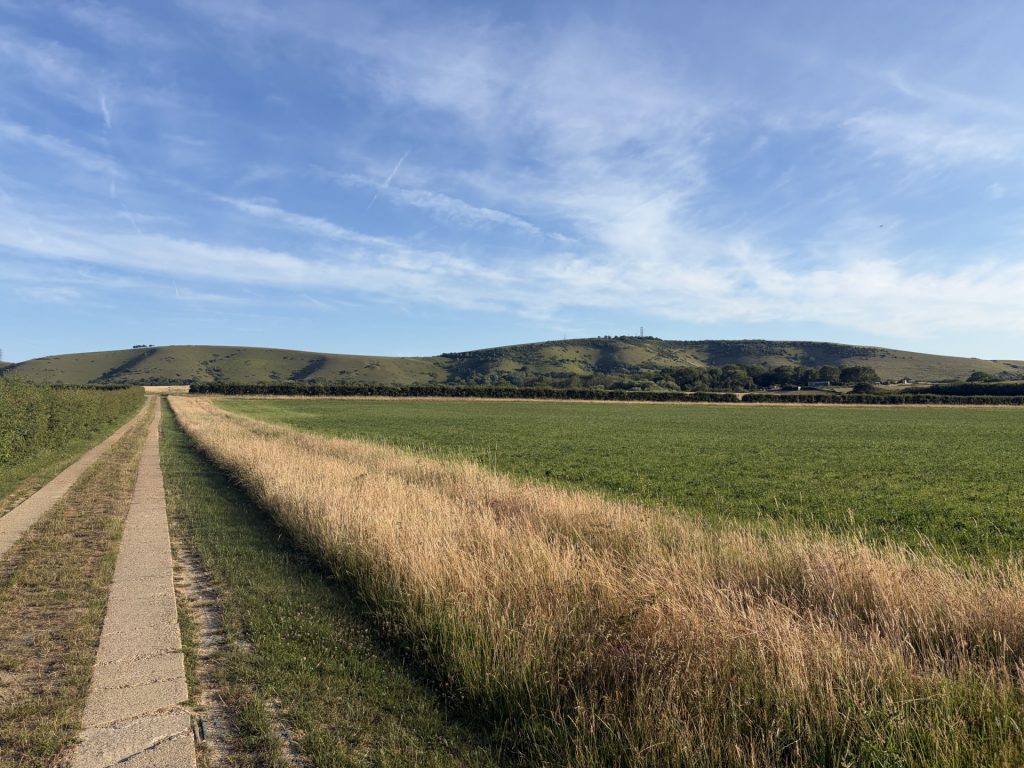
A walk from Woods Mill begins in one of Sussex’s most peaceful nature reserves, where the mix of ponds, reedbeds and willow‑lined channels creates an immediate sense of calm. The path heads out across the wetlands, with dragonflies skimming the water and the calls of warblers threading through the reeds. As you move further from the centre, the landscape shifts into the downland fringe — open meadows, scattered hedgerows and those gentle folds that hint at the rising chalk hills beyond. It’s a lovely transition, the kind where every few steps bring a new texture of light, water or grassland.
From here the route climbs slightly into Tottington Wood, a beautiful stretch of historic woodland on the edge of the South Downs. The canopy closes in with oak, hazel and ash, and the path winds between old boundary banks and pockets of bluebells or bracken depending on the season. There’s a sense of age and continuity here, the woodland holding its own quiet atmosphere even as birdsong echoes from the surrounding fields. Emerging from the trees, the loop carries you back through more wetland habitats, the reserve opening out once again before you return to Woods Mill — a walk that blends water, woodland and downland in a way that feels quintessentially Sussex.
Southwick Hill
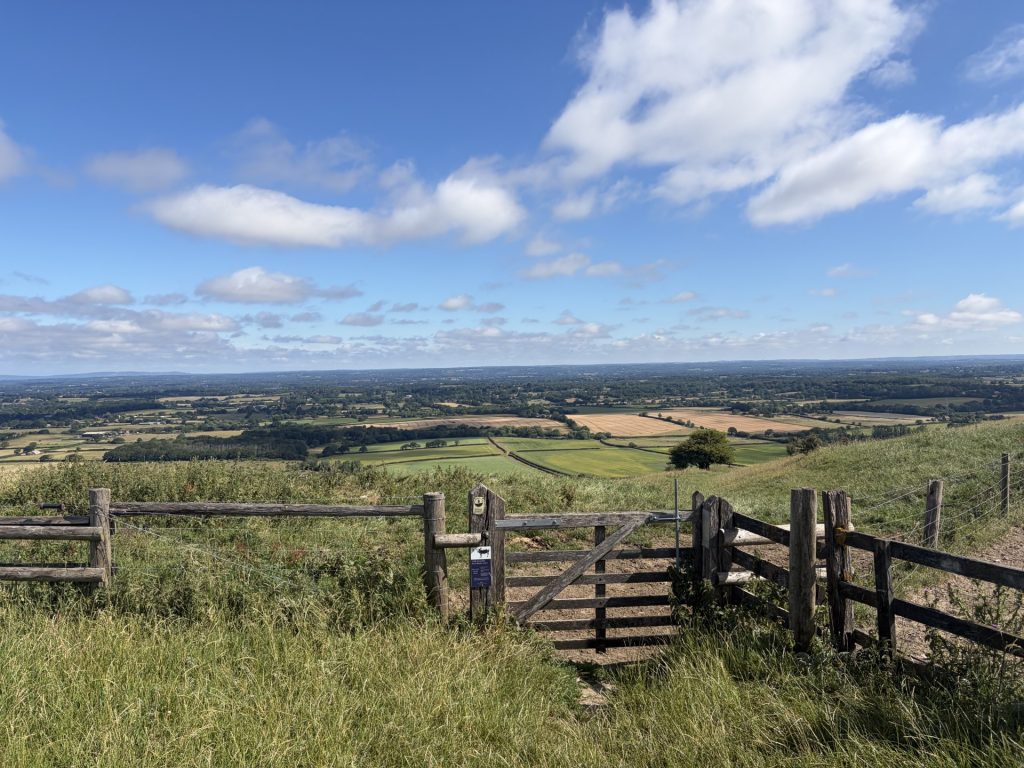
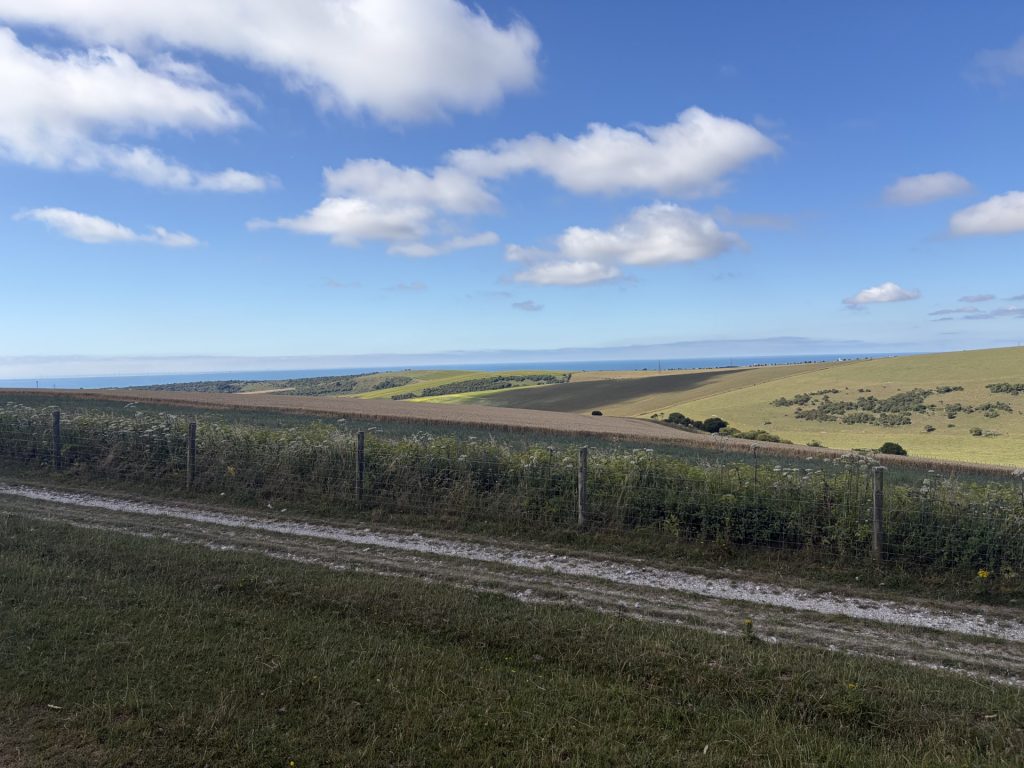
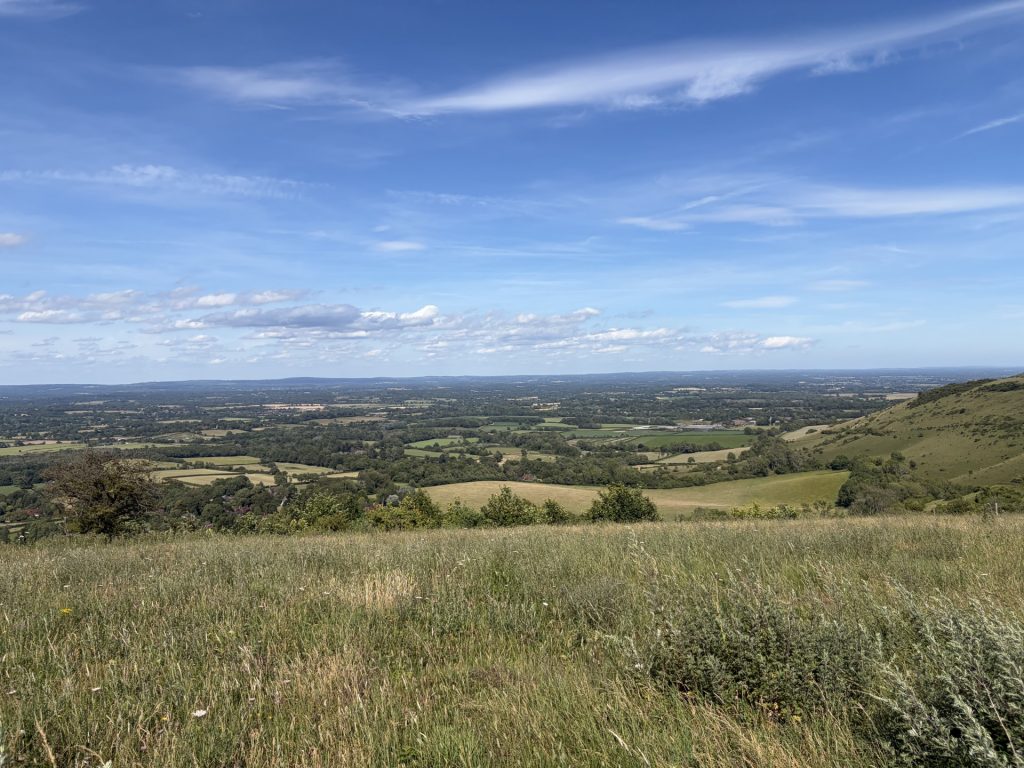
A walk from Southwick Hill sets you up immediately on one of the most open, far‑reaching stretches of the South Downs, where the ridge rolls away in long, grassy waves towards the sea. The climb is gentle, and once you’re on the crest the path runs broad and easy, linking a chain of prominent summits that feel wonderfully connected. Heading west, the first landmark is Thundersbarrow Hill, its rounded top giving you sweeping views over Shoreham, the Adur Valley and the chalk uplands ahead. There’s a real sense of height and spaciousness here — skylarks rising, the wind moving through the grass, and the Downs stretching out in a clean, unbroken line.
From Thundersbarrow the ridge continues towards Edburton Hill, where the landscape becomes more dramatic, the slopes falling steeply into coombes and the views widening across the Weald. The final climb to Truleigh Hill is steady and satisfying, bringing you to one of the highest points on this western stretch of the Downs. Looping back, the descent follows quieter paths along the flanks of the hills, the ridge gradually re‑forming ahead of you as Southwick Hill comes back into view. It’s a walk full of height, horizon and the classic chalkland character that makes the South Downs so compelling.

Ditchling Beacon
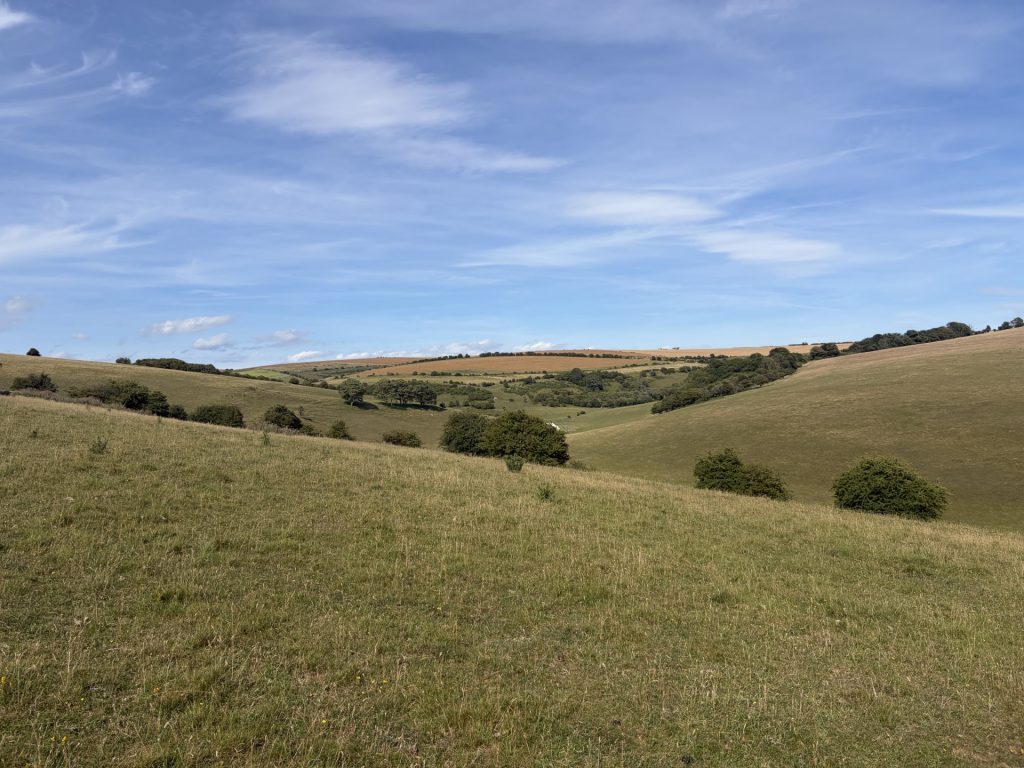
A walk from Ditchling Beacon that loops south along the top of the Downs is one of those routes where the landscape feels endlessly open, with long horizons and the sea sitting quietly in the distance. Leaving the beacon, the path follows the broad chalk ridge, dipping gently and rising again as it traces the contours of the high ground. The grassland here is wide and breezy, dotted with wildflowers in summer and alive with skylarks. As you curve southwards, the views shift between the Weald behind you and the sweep of Brighton and the coast ahead, giving the whole walk a wonderful sense of height and freedom.
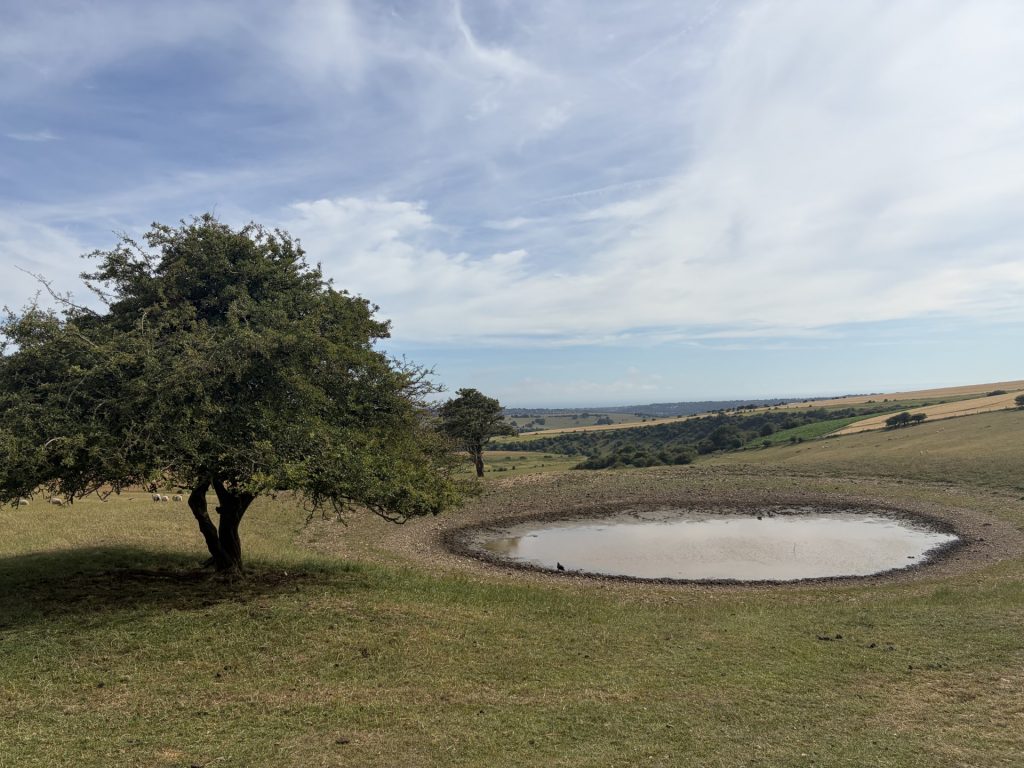
The loop continues across rolling downland, passing pockets of scrub and the occasional dewpond before turning back towards the beacon. This southern arc feels quieter and more remote, with fewer walkers and a real sense of the Downs stretching away in every direction. The return climb is steady and satisfying, the ridge re‑forming beneath your feet as Ditchling Beacon comes back into view. By the time you reach the summit again, you’ve traced a graceful circuit across some of the most open and uplifting terrain on the South Downs — a walk full of light, space and those big, unforgettable Sussex skies.
Waltham Brooks
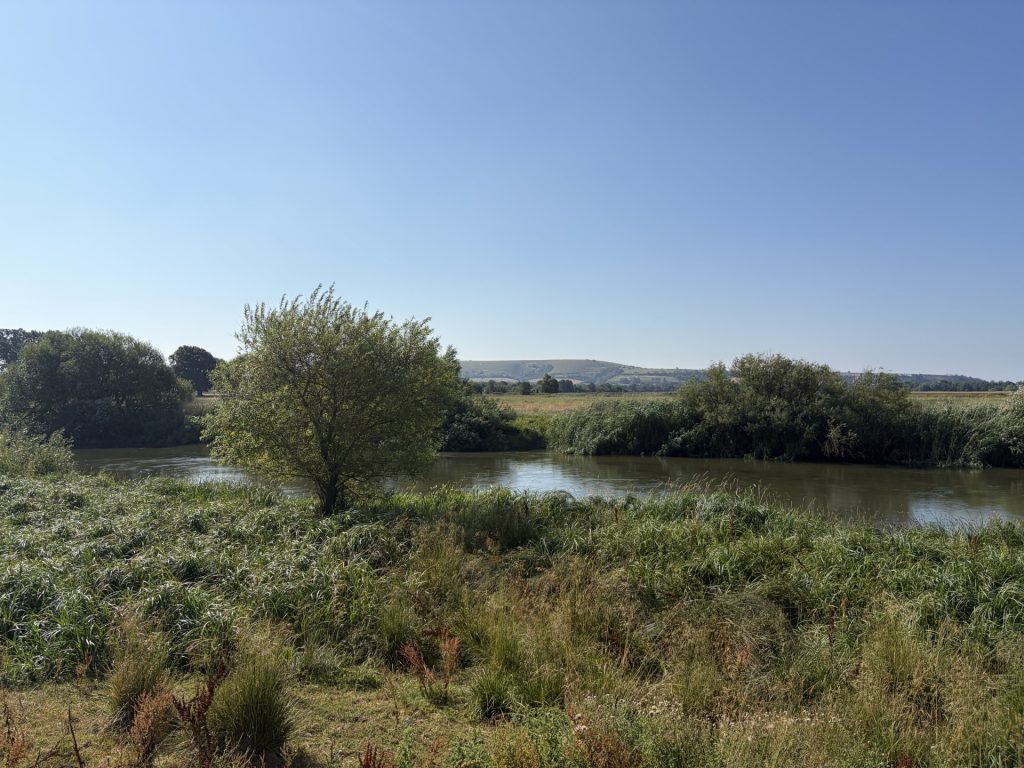
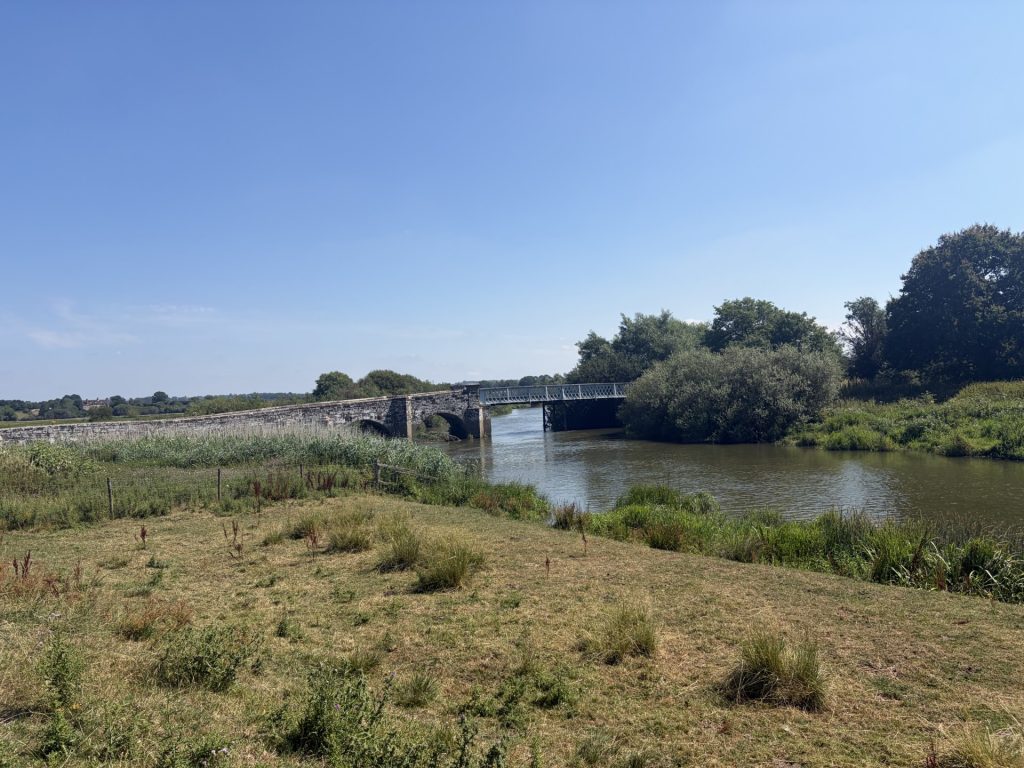
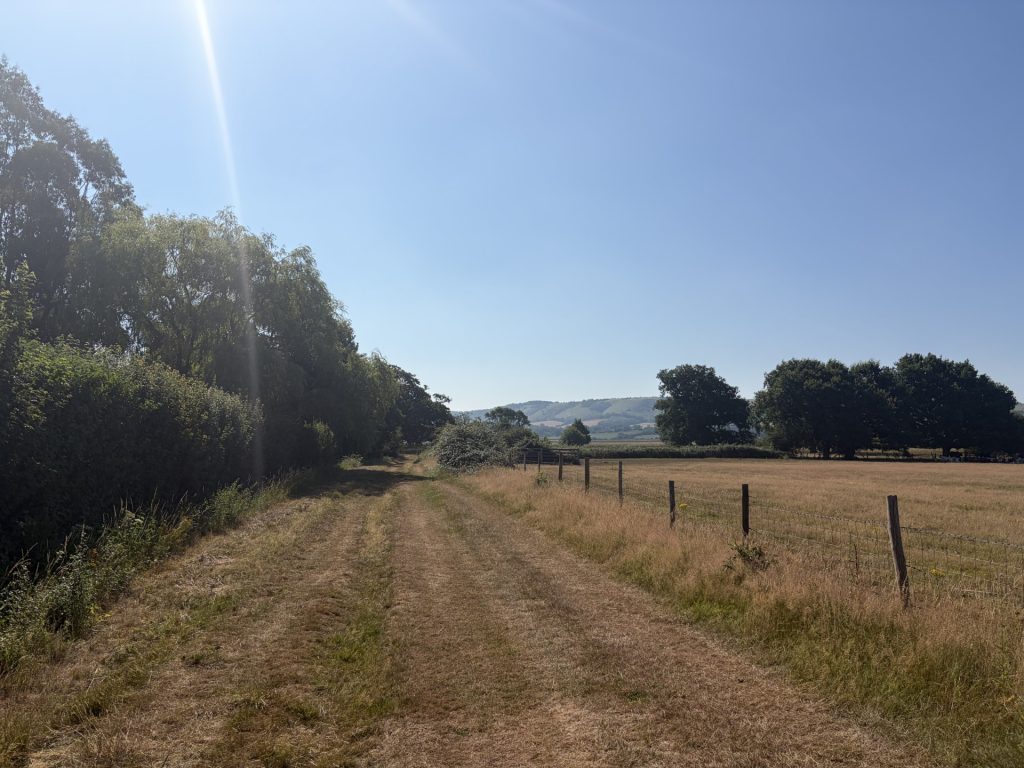
A walk through Waltham Brooks and Amberley Wild Brooks is one of the most atmospheric lowland routes in Sussex, full of wide horizons, grazing marsh and the quiet presence of the River Arun winding through it all. Starting near Waltham Brooks, the path follows raised banks and meadow edges, giving you long views across the wetlands where herons, egrets and lapwings are often at work. As you draw closer to the Arun, the river becomes a steady companion, its broad, looping course adding a calm rhythm to the walk.
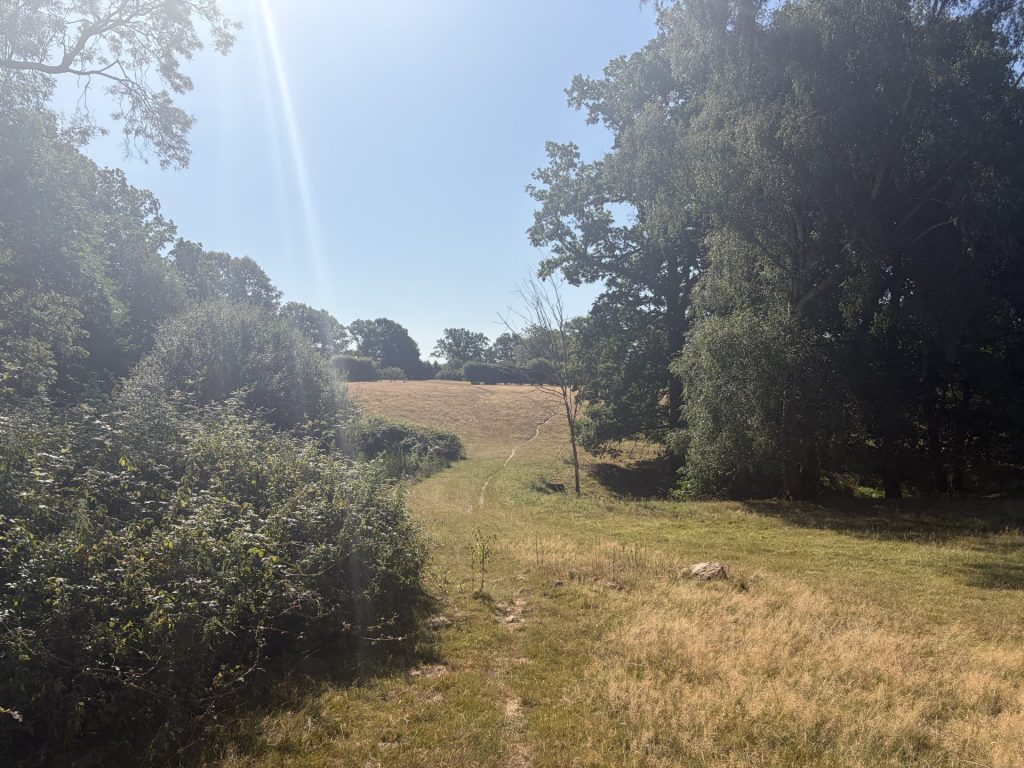
Crossing into Amberley Wild Brooks, the sense of space deepens. This is one of the most important wetland habitats in the South Downs, and you feel it in the shifting textures of rushes, pools and grazing marsh stretching out in every direction. The path runs beside the river and across embankments that lift you just high enough to appreciate the sweep of the Arun Valley, with Amberley’s rooftops and the Downs rising beyond. By the time you loop back, you’ve walked through a landscape shaped by water, wildlife and centuries of quiet pastoral life — a beautifully tranquil corner of Sussex.
Cowfold
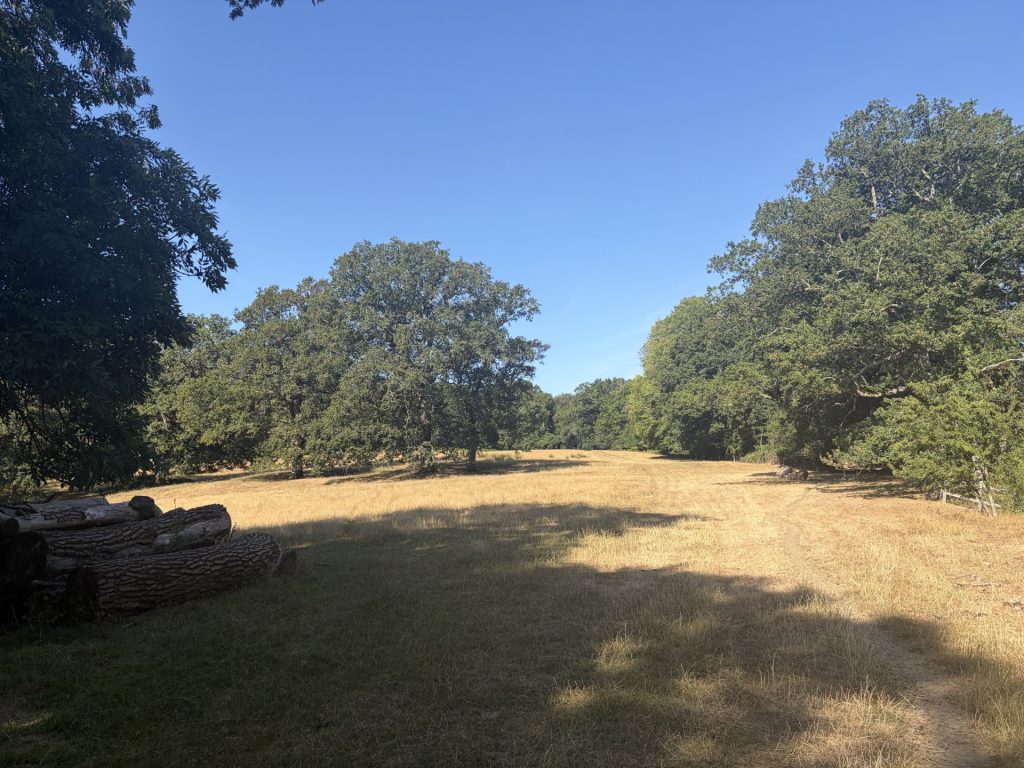
A walk from Cowfold begins in classic Low Weald countryside, with quiet lanes, hedgerows and gently rolling fields setting a calm, rural tone. Leaving the village, the route soon joins the Sussex Diamond Way, a long‑distance path that threads through some of the area’s most peaceful landscapes. The trail leads you into Steep Wood, where the canopy closes in and the atmosphere shifts into something cooler and more secluded. Oaks and chestnuts rise above mossy banks, and the path winds between old boundary lines and pockets of fern‑filled understorey.
Continuing along the Diamond Way, the walk drifts into Drewitts Wood, a slightly more open stretch where the light filters through in softer patches and the woodland edges blend into meadows. From here the route begins to descend Earwig Lane, a wonderfully named green lane that curves gently between hedgerows and fields. The views widen as you drop back towards Cowfold, the village gradually reappearing across the landscape. By the time you return, you’ve traced a varied and quietly beautiful circuit — woodland calm, rural edges and the easy rhythm of the Sussex Diamond Way all woven together into a satisfying walk.
Duddleswell
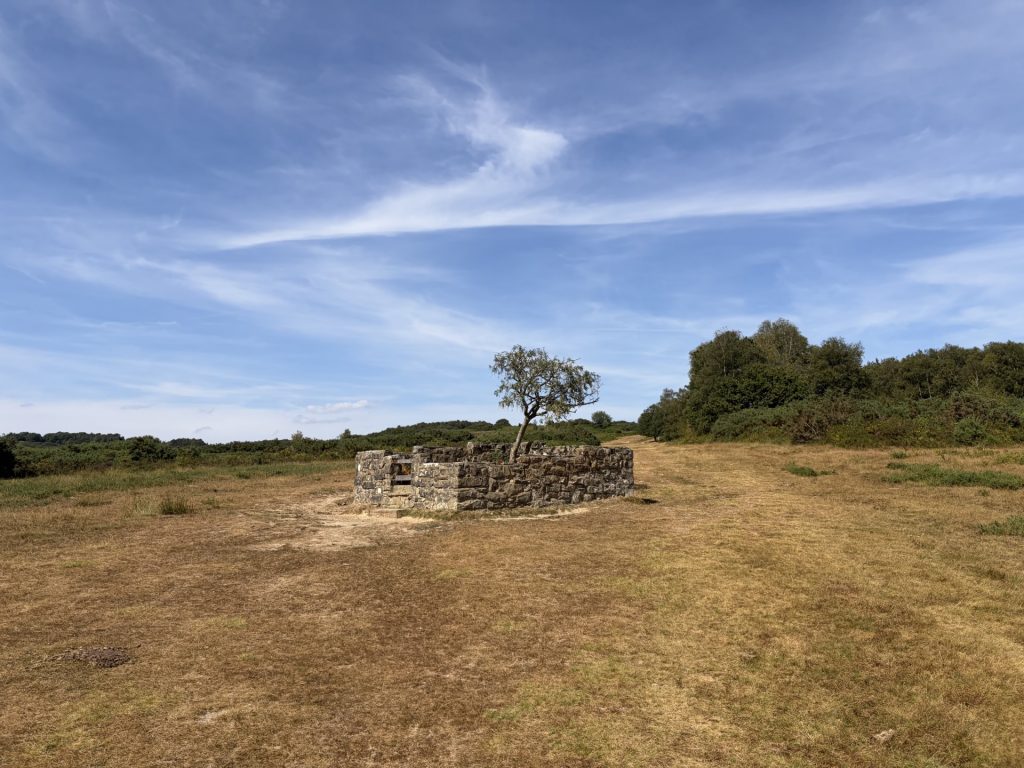
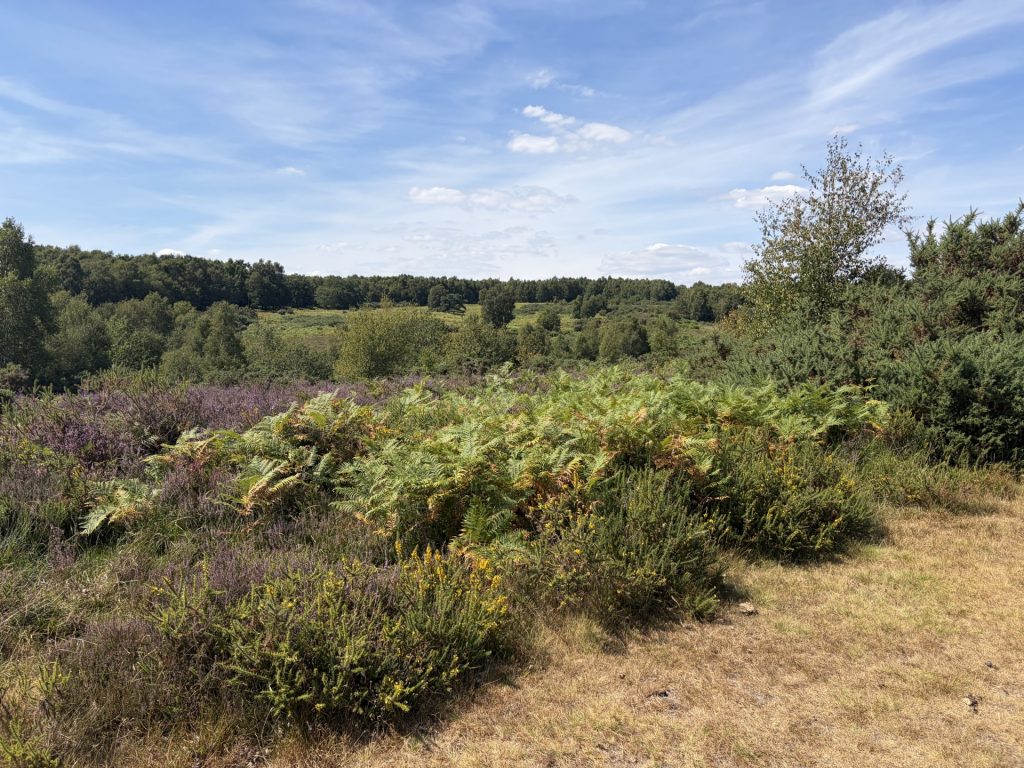
A walk from Duddleswell begins with that classic Ashdown Forest mix of open heathland, wide horizons and the soft, resin‑scented air that always seems to hang over the pines. The path heads out across gently rolling ground, where sandy tracks weave between gorse and heather and the views stretch far across the forested ridges. As you move south, the landscape gradually gathers into pockets of woodland, leading you into the cool, shaded paths of Great Birch Wood.
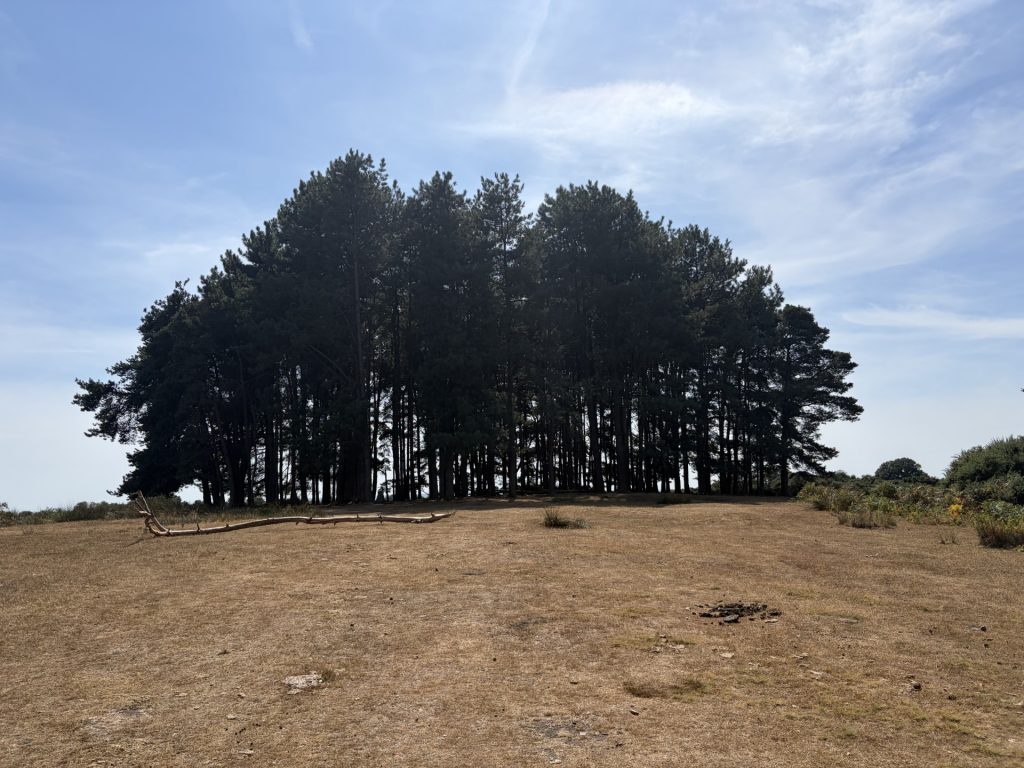
Leaving the wood, the route climbs steadily towards Friends Clump, a familiar landmark perched on a ridge with sweeping views across the forest. The ascent to Camp Hill adds a satisfying burst of height, giving you one of the best panoramas in this part of Ashdown — rolling ridges, distant farms and the patchwork of heath and woodland that defines the area. From the summit, the path loops back across open ground, the forest opening out once more as you descend towards Duddleswell. By the time you return, you’ve traced a wonderfully varied circuit: airy heathland, deep woodland, big views and the quiet magic that makes Ashdown Forest such a rewarding place to walk.
Seven Sisters
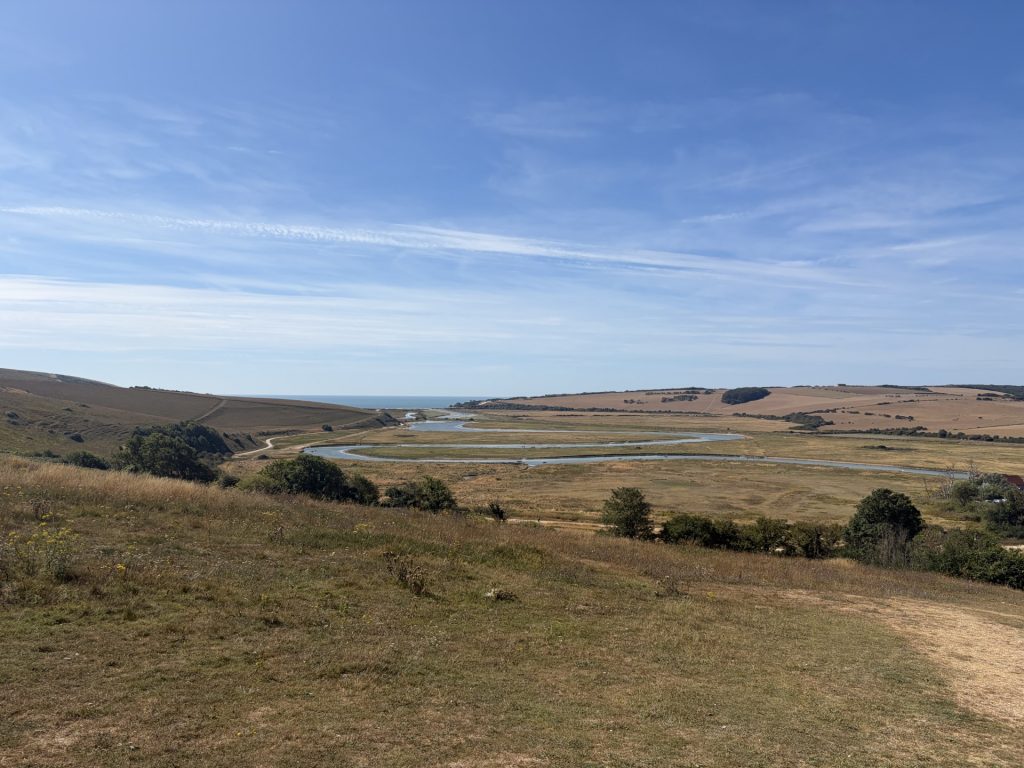
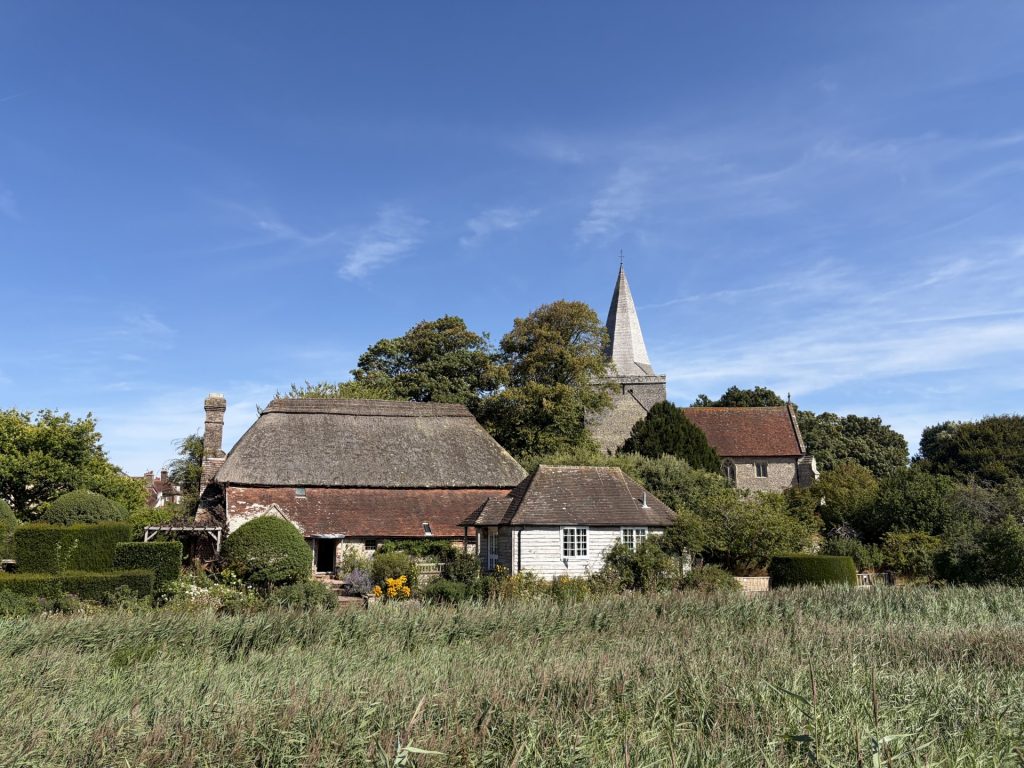
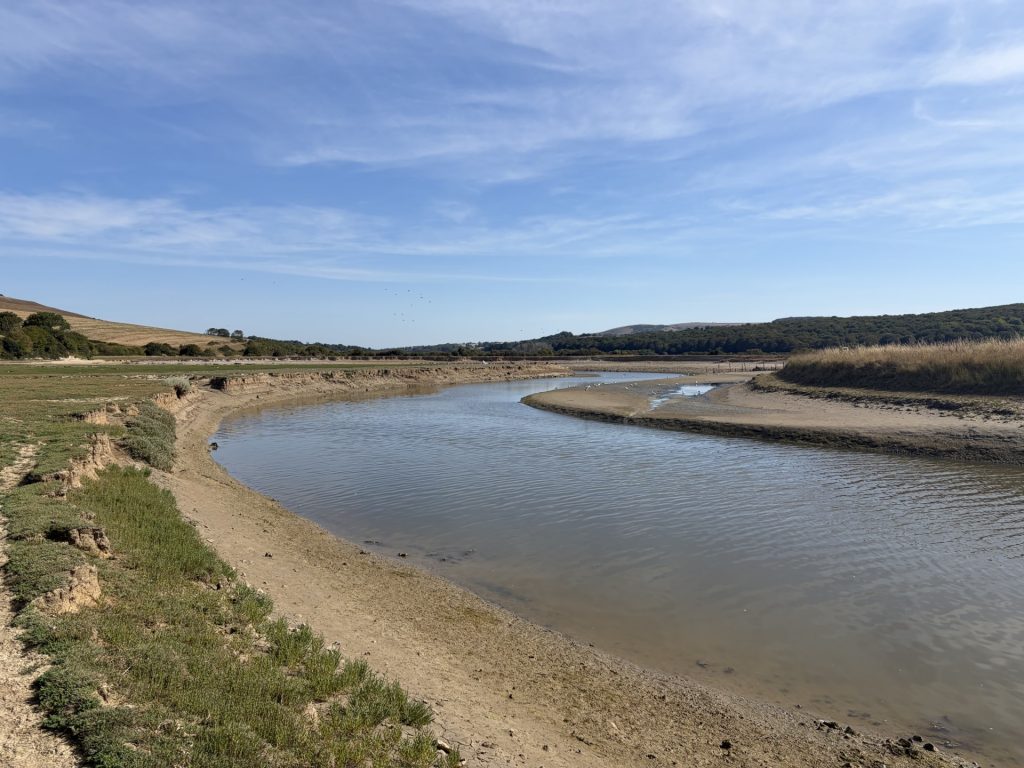
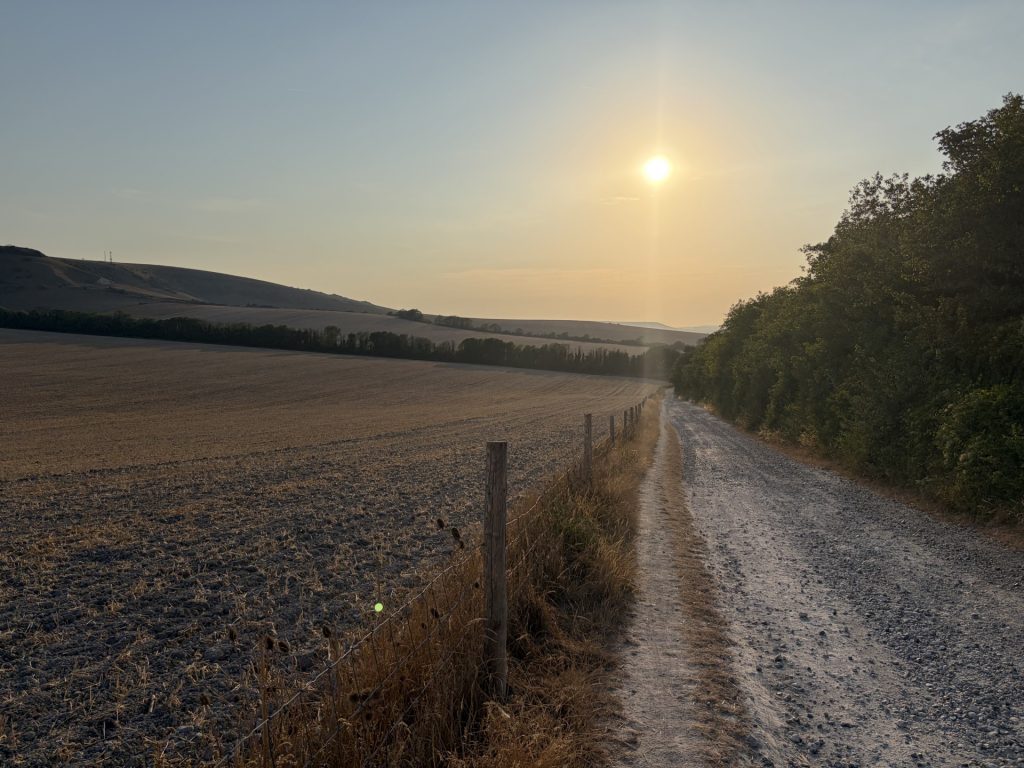
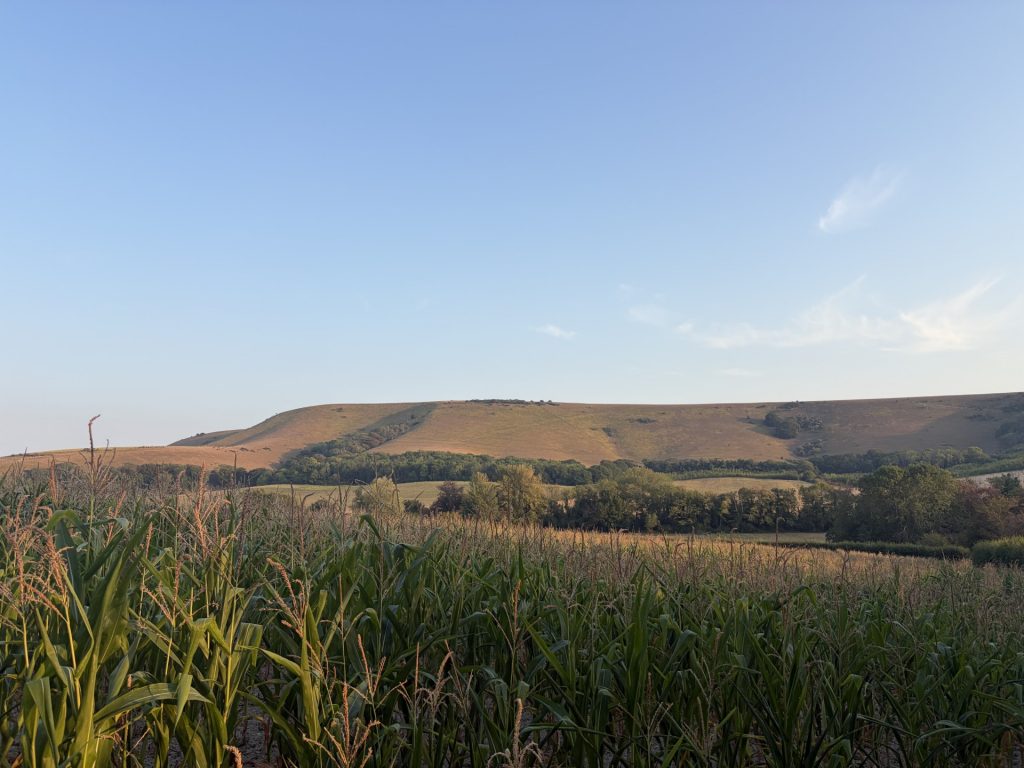
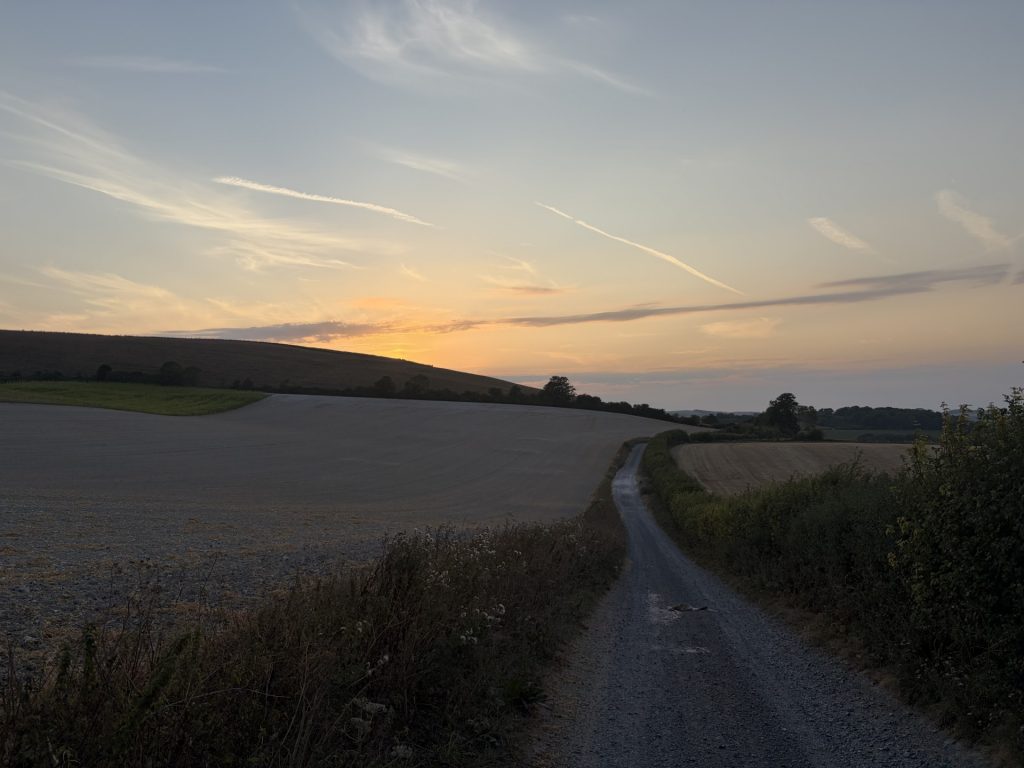
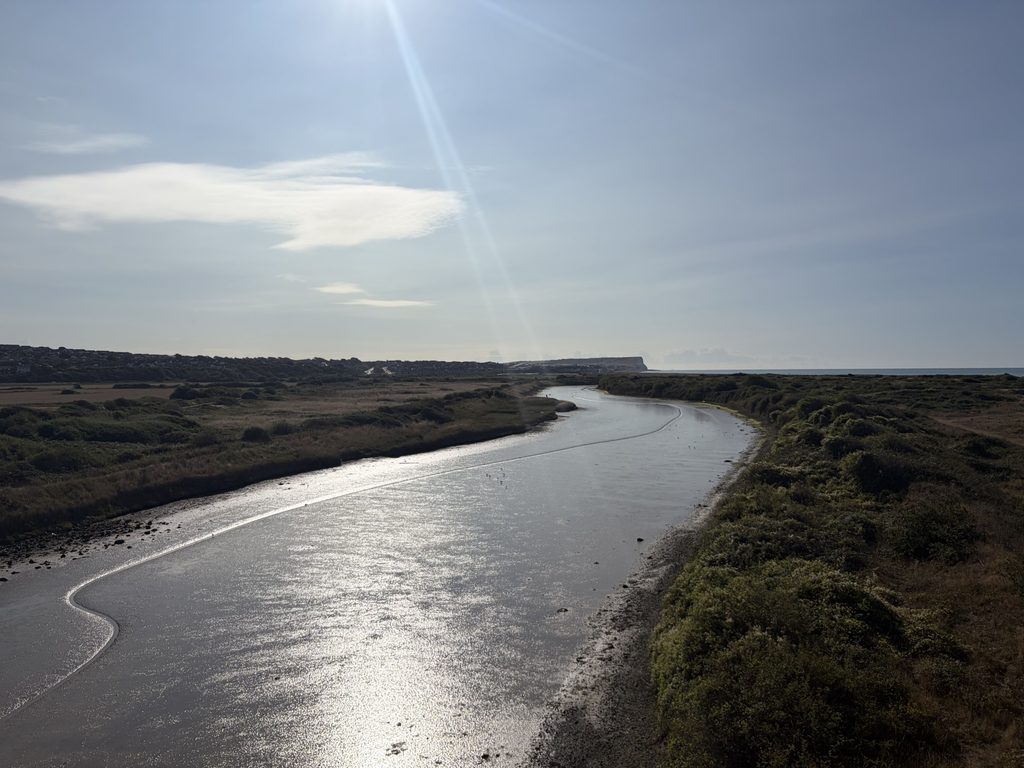
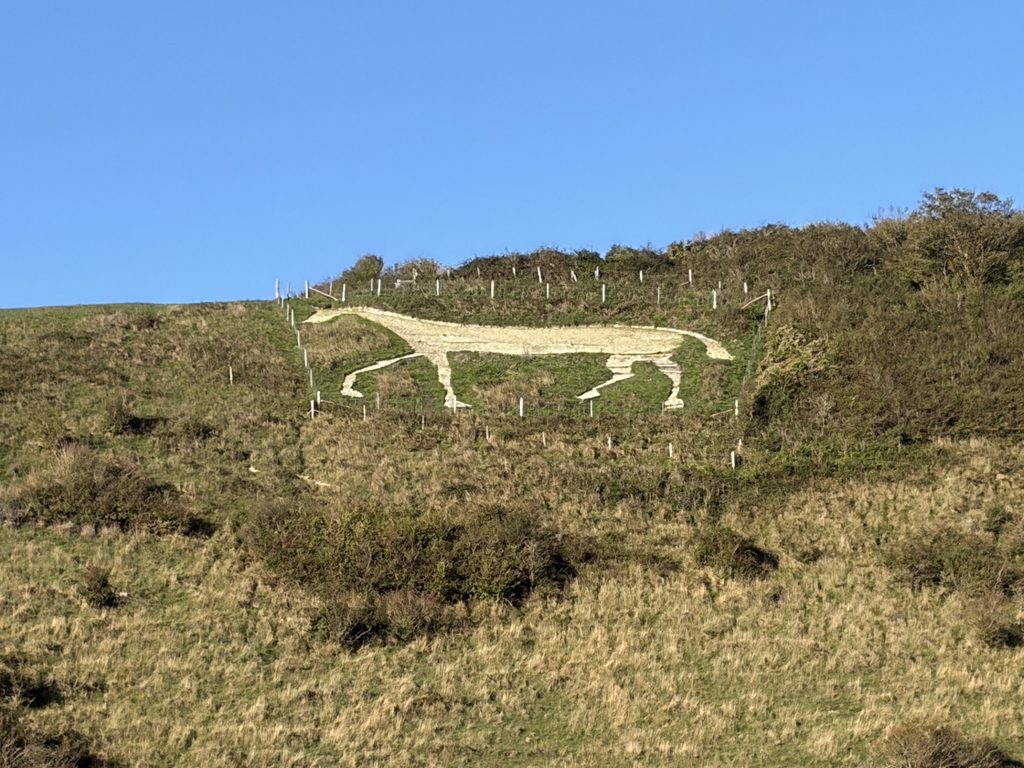
Starting from Seven Sisters, the walk follows the meandering Cuckmere River inland, where the landscape quickly softens into wide floodplains and quiet grazing meadows. As you leave the coast behind, the river becomes a calm, silvery ribbon guiding you toward Littlington. From the valley floor, the Littlington White Horse appears etched into the hillside like a quiet sentinel, a striking landmark that adds a touch of Sussex folklore to the journey. The path continues gently toward Alfriston, where the village’s flint cottages, ancient church, and welcoming pubs make it an ideal place to pause and soak up the atmosphere.
The return route via West Dene offers a contrasting sense of seclusion, leading you through wooded folds and peaceful farmland that feel far removed from the bustle of the coast. The track rises and falls through pockets of shade and open views, giving you glimpses back toward the river valley and the chalk hills beyond. As you loop back toward Seven Sisters, the landscape gradually opens out again, delivering a final sweep of big skies and rolling downland. It’s a walk that blends iconic scenery with quiet rural charm, offering a perfect snapshot of the South Downs at its most varied and beautiful.
Charleston House
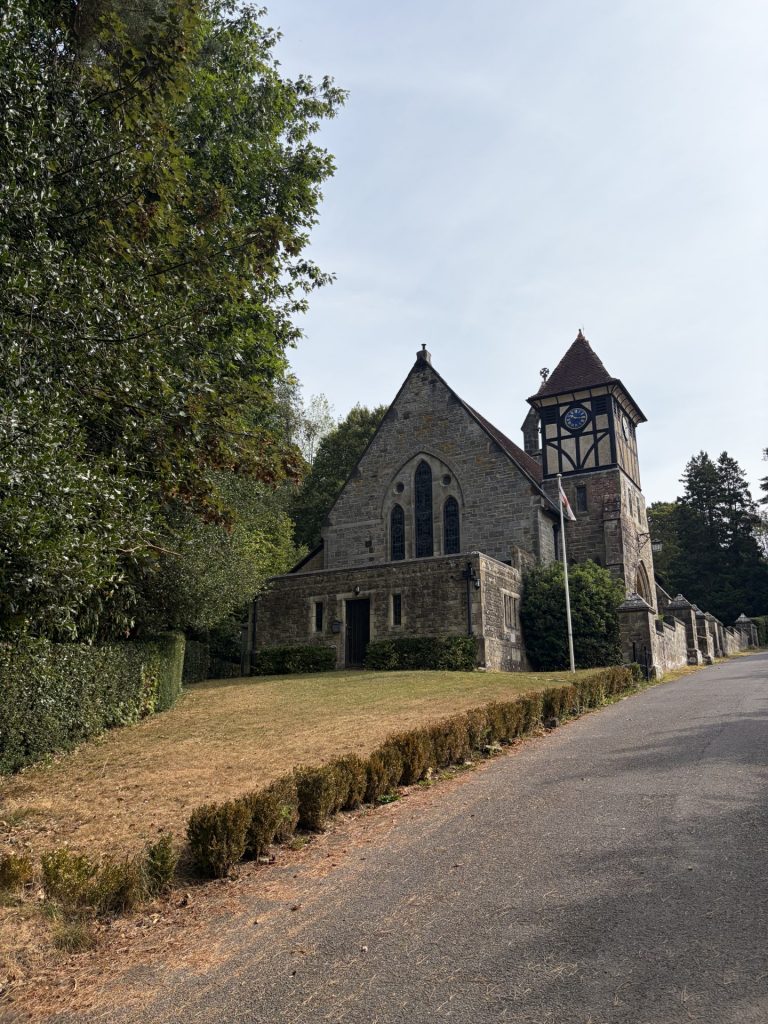
A loop from Charleston House westward into Firle Park begins gently, with the gardens and artist‑soaked atmosphere of Charleston giving way to open fields and long views toward the Downs. The path rises slightly as you head towards Firle Place, the parkland spreading wide with ancient trees, grazing sheep, and that characteristic sweep of chalk hills framing the estate. It’s a walk where the landscape feels both curated and wild, shifting from neat avenues of lime trees to broad meadows.
Continuing into Firle village, the route becomes more intimate and historic. Flint cottages, the church, and the Ram Inn give the village a timeless, lived‑in charm before the path turns south and then east, skirting the edge of the park. The return to Charleston is peaceful and pastoral, following quiet lanes and field paths that gradually bring the South Downs back into view. It’s a satisfying loop: art, landscape, history, and a sense of gentle rhythm that makes the whole walk feel beautifully coherent.
Hurstwood
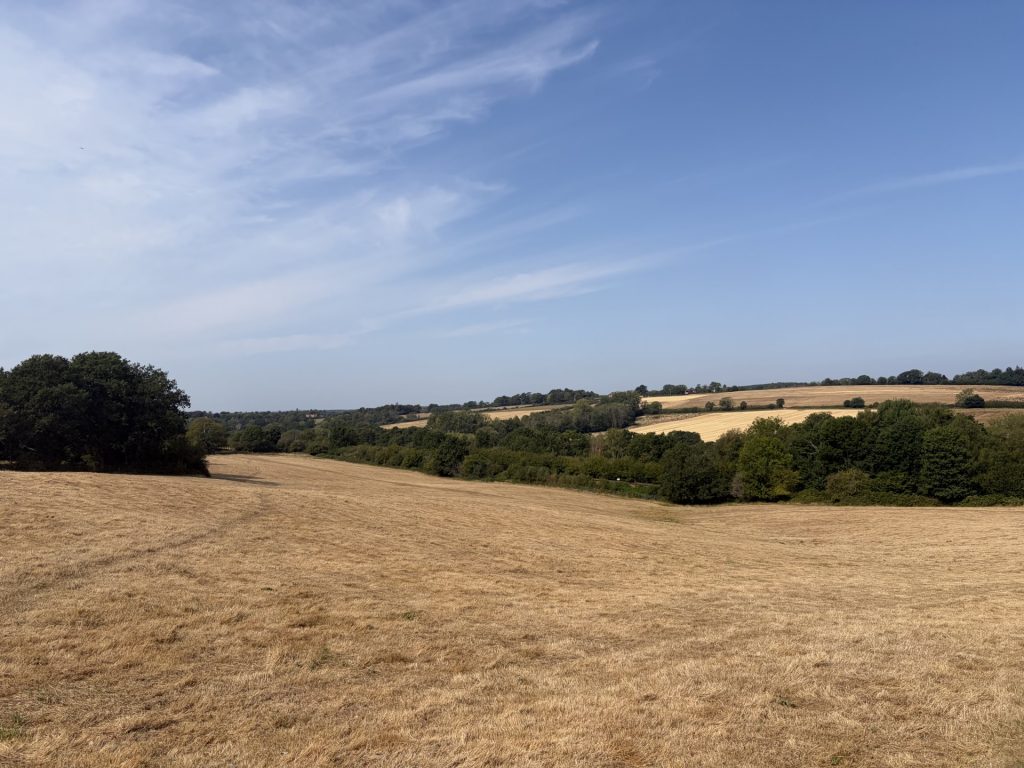
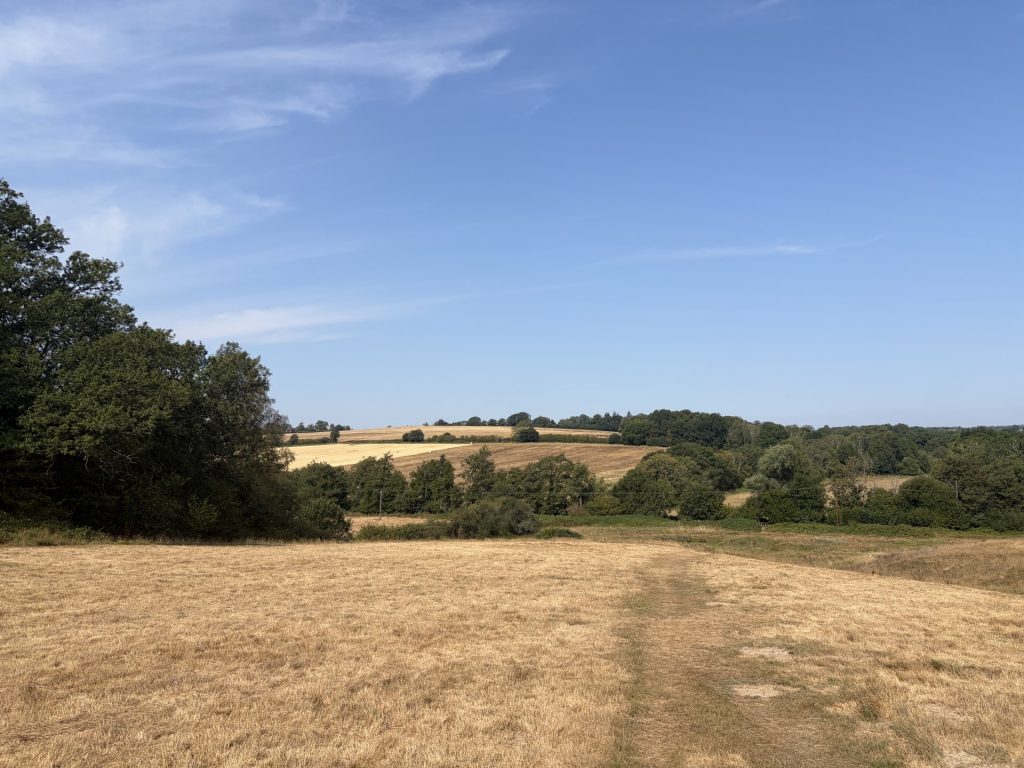
A walk from Hurstwood linking the Sussex Diamond Way with the Vanguard Way begins in classic High Weald scenery: quiet lanes, deep hedgerows and that gentle rise‑and‑fall of wooded ridges. Leaving Hurstwood, the Diamond Way leads you through a patchwork of meadows and pockets of ancient woodland, where oak and birch crowd close to the path and the air feels cool and green. Before long the route reaches the impressive Greenhurst Viaduct, its brick arches towering unexpectedly above the valley. It’s a striking landmark — industrial scale set within rural calm — and it gives the walk a memorable midpoint.
From the viaduct the path climbs steadily to meet the Vanguard Way, opening out into broader views across the Weald. This long‑distance trail carries you along field edges and through more woodland, with glimpses of farmsteads and distant ridgelines guiding the way. The loop back to Hurstwood is peaceful and varied, retracing quieter tracks and bridleways that settle back into the landscape’s softer rhythms. By the time you return, you’ve stitched together two major Sussex trails, crossed an unexpected architectural gem, and enjoyed a circuit that feels both structured and wonderfully rural.
Kirdford
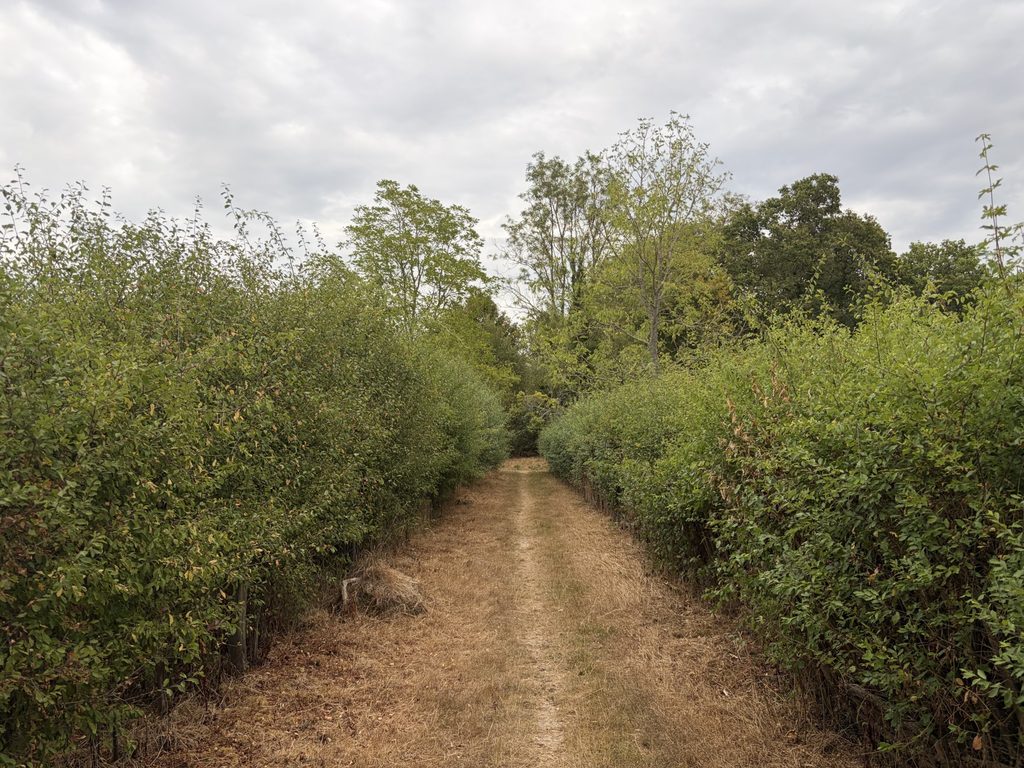
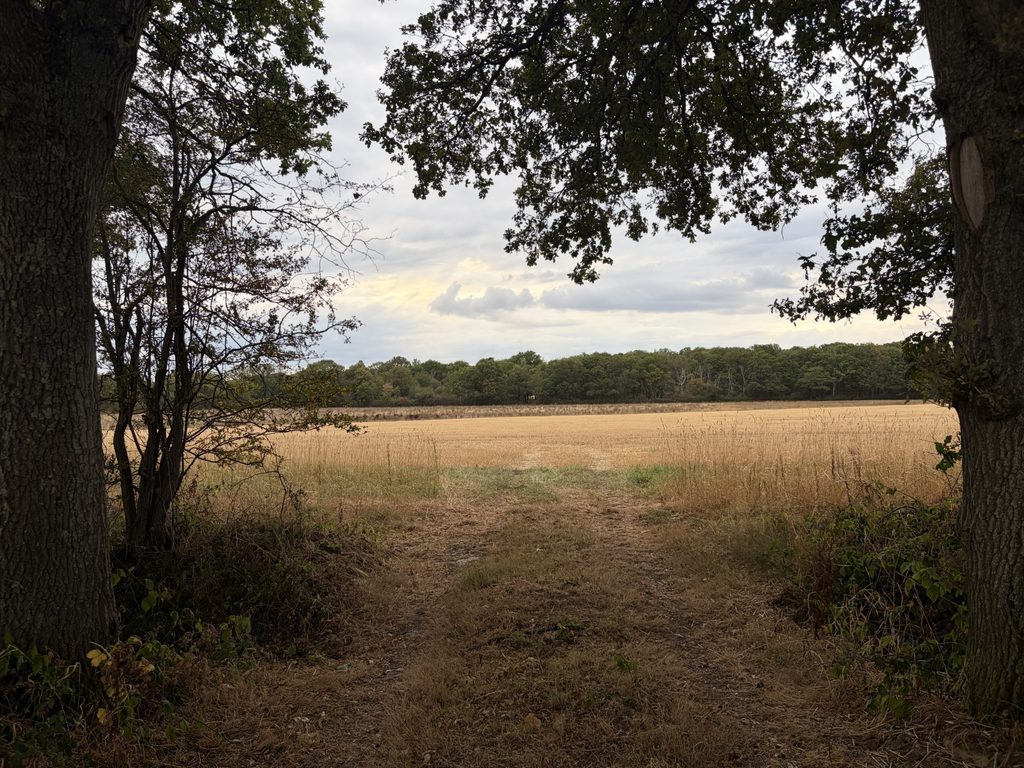
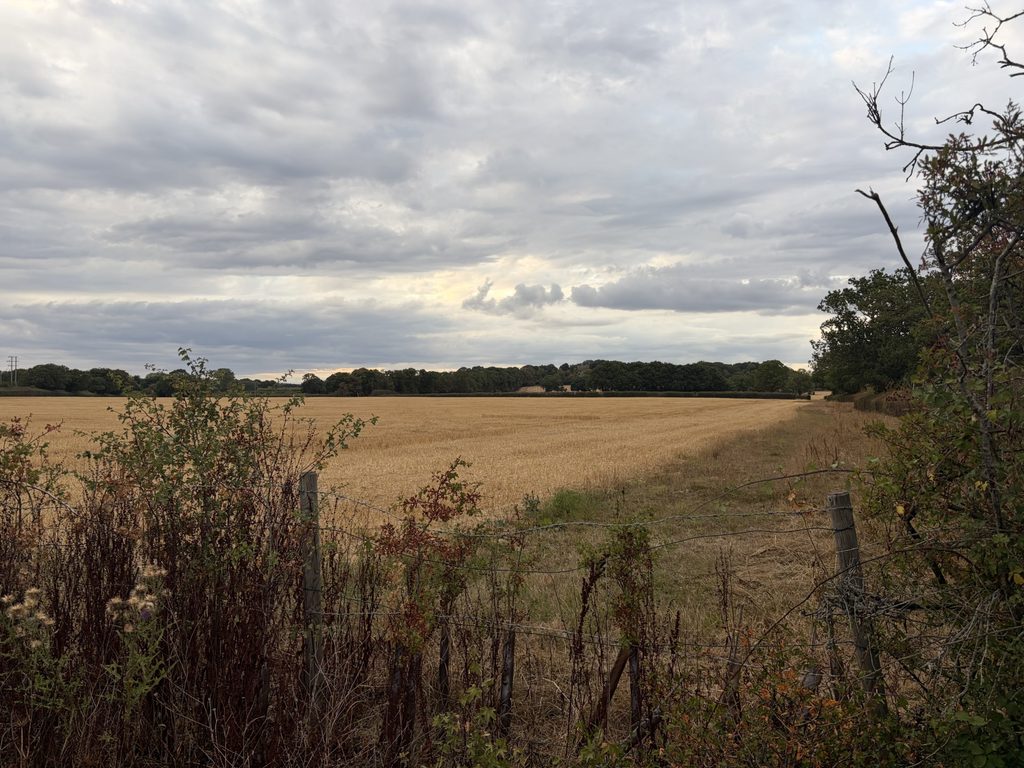
Starting from the heart of Kirdford, almost immediately the landscape settles into its familiar rhythm of gently rolling fields, scattered farmsteads, and old hedgerows before you slip beneath the canopy of Barkfold Rough Woods. Occasional clearings open up views back toward the village, but mostly it’s a peaceful, green corridor where you can let your pace slow and enjoy the stillness.
Beyond Barkfold Rough, the route continues into Great Common Woods, where the character shifts subtly. The trees stand taller, the understorey thins, and long straight tracks hint at the area’s historic use for timber and charcoal. It’s a lovely stretch—quiet, steady, and full of birdsong—before the path eventually turns south and begins its gentle return toward Kirdford. Emerging from the woods, you rejoin field paths and farm tracks that guide you back into the village, where the welcoming pubs offer an easy reward. It’s a satisfying circular walk: varied, tranquil, and rich with the timeless woodland atmosphere that makes this part of Sussex so special.
Seaford
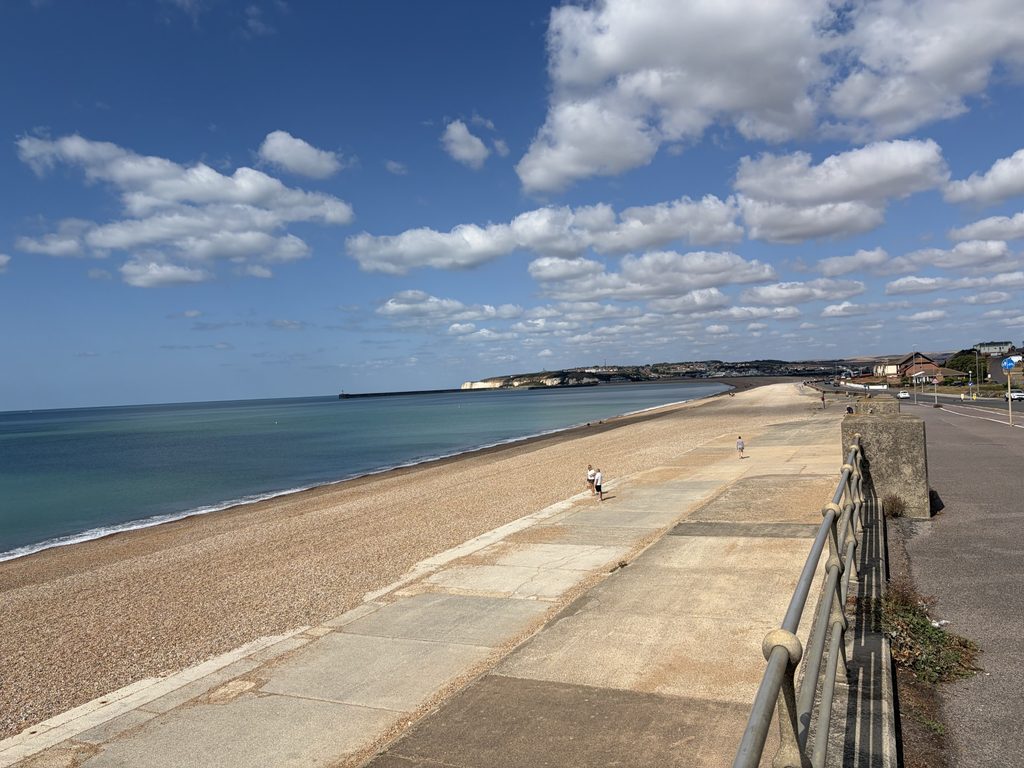
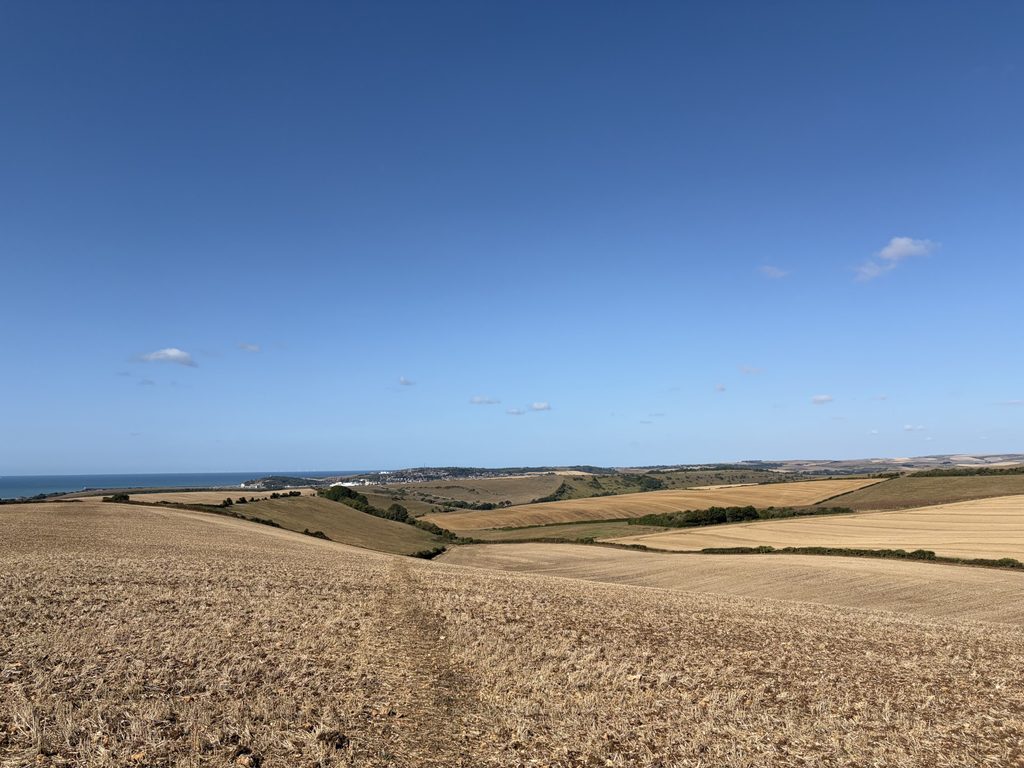
Starting from Seaford, this walk immediately immerses you in the sweep of the King Charles III England Coast Path, where the shoreline curves away beneath chalk cliffs and the air carries that bright, salty freshness unique to this stretch of coast. The Vanguard Way joins the route as you head west, the path rising gently above the town and giving you those wide, cinematic views across Seaford Bay. As you gain height, the landscape shifts from seaside bustle to open downland, the South Downs Heritage Coast unfolding in long, pale ridges. It’s a glorious transition — sea behind you, hills ahead, and that unmistakable sense of space that defines this part of Sussex.
Climbing Norton Hill, the walk becomes more pastoral, the chalk path threading between hedgerows and pockets of scrub alive with birdsong. Soon the spire of St Andrew’s Church, Bishopstone appears, a quiet landmark tucked into the folds of the valley. Passing the church, the route feels wonderfully rooted in history: flint walls, ancient yews, and the timeless calm of a downland village. From here the path loops back towards Seaford, the coast re‑emerging as the ridge drops gently to sea level. It’s a walk that blends cliff‑top drama, open downland and village charm — a perfect showcase of the varied landscapes packed into this corner of the South Downs.
Angmering Park
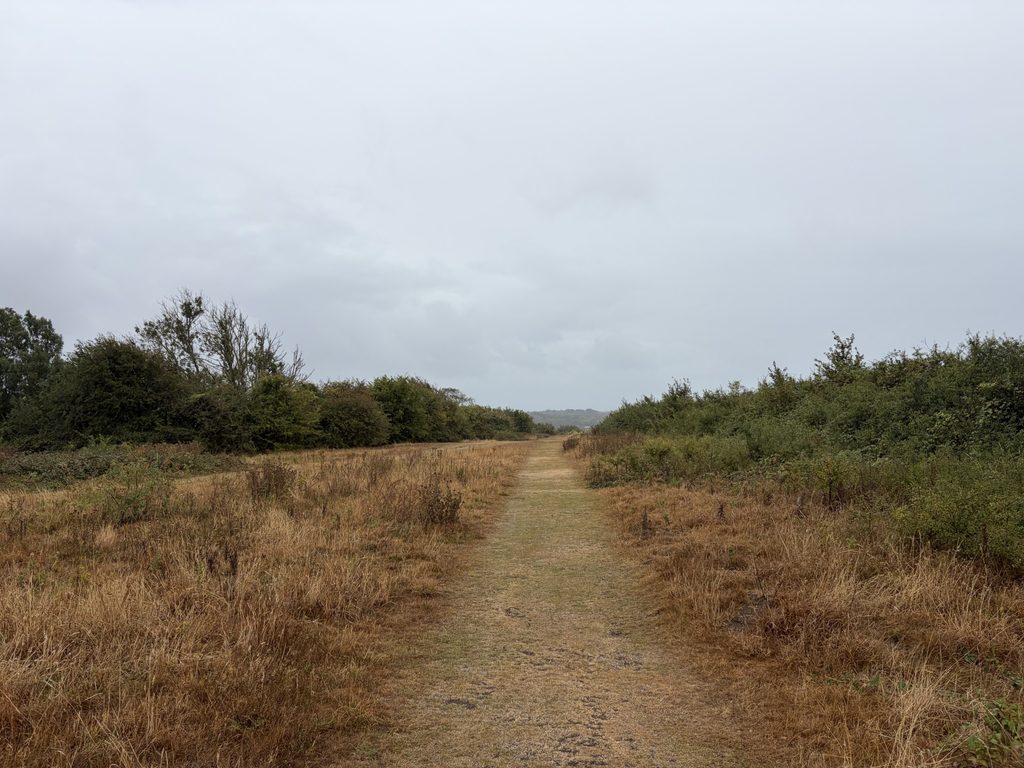
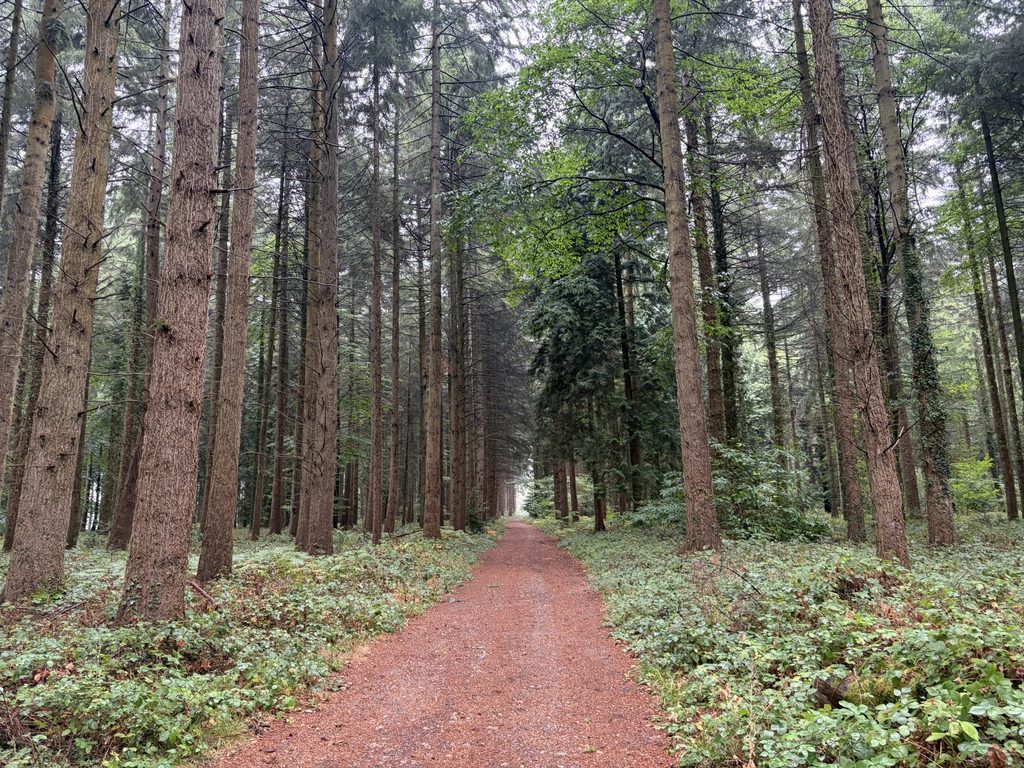
A walk beginning in Angmering Park Estate feels immediately rich and expansive, with its rolling woodland rides and long views across one of the most characterful estates on the South Downs. The paths here have a gentle, old‑world rhythm — broad tracks lined with beech and oak, pockets of conifer, and those quiet clearings where deer often slip between the trees. As you head east, the woodland deepens and the estate gradually gives way to the more intimate, shaded atmosphere of Wephams Wood, where narrow paths weave through holly, chestnut and fern‑filled gullies. It’s a lovely contrast: the estate’s openness shifting into a more enclosed, secretive landscape.
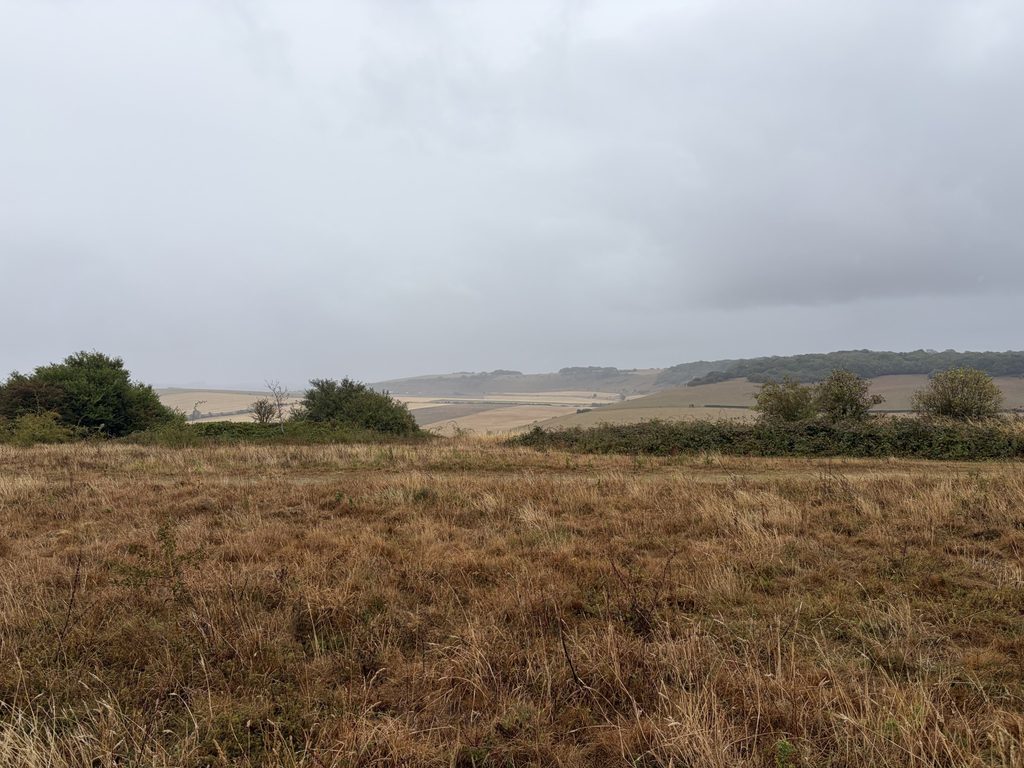
Beyond Wephams Wood, the route meets the Monarch’s Way, a long-distance trail that traces the dramatic escape route of Charles II after the Battle of Worcester. This section has a wonderfully historic feel — sunken lanes, old hedgerows and glimpses of farmland that seem unchanged for generations. The path rises and falls gently, offering moments where the Downs open out in front of you before drawing you back into woodland shade. Following the Monarch’s Way here gives the walk a sense of story and direction, and by the time you loop back towards Angmering Park Estate, you’ve travelled through a landscape full of texture, quiet drama and deep Sussex character.
Steyning Bowl
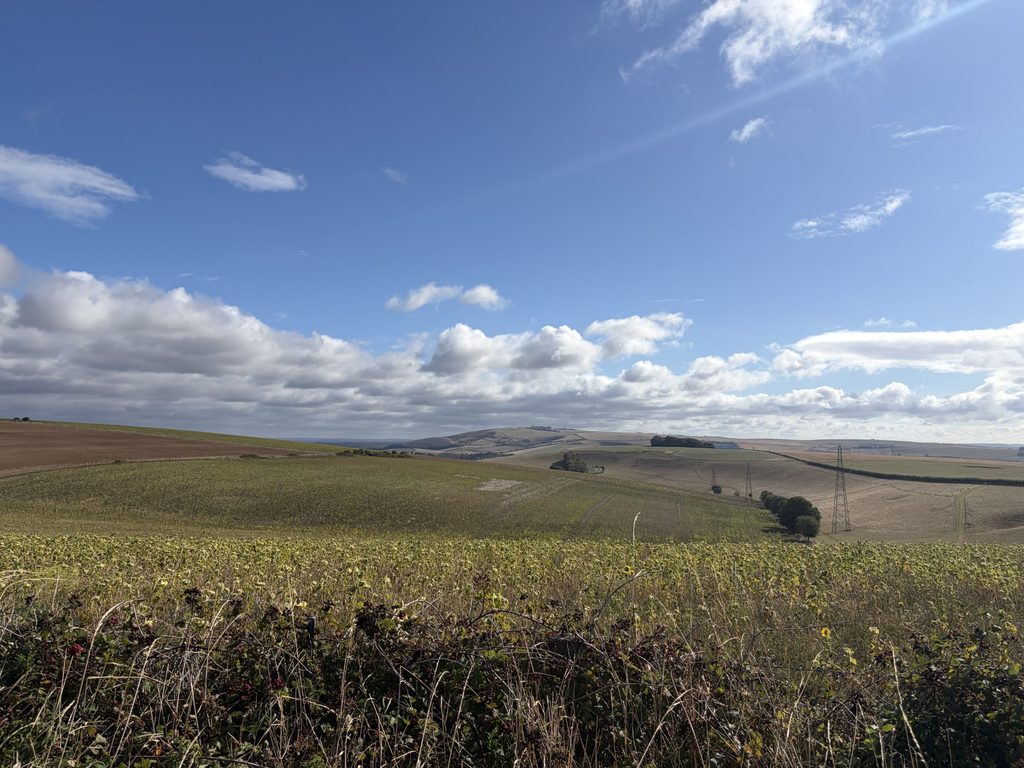
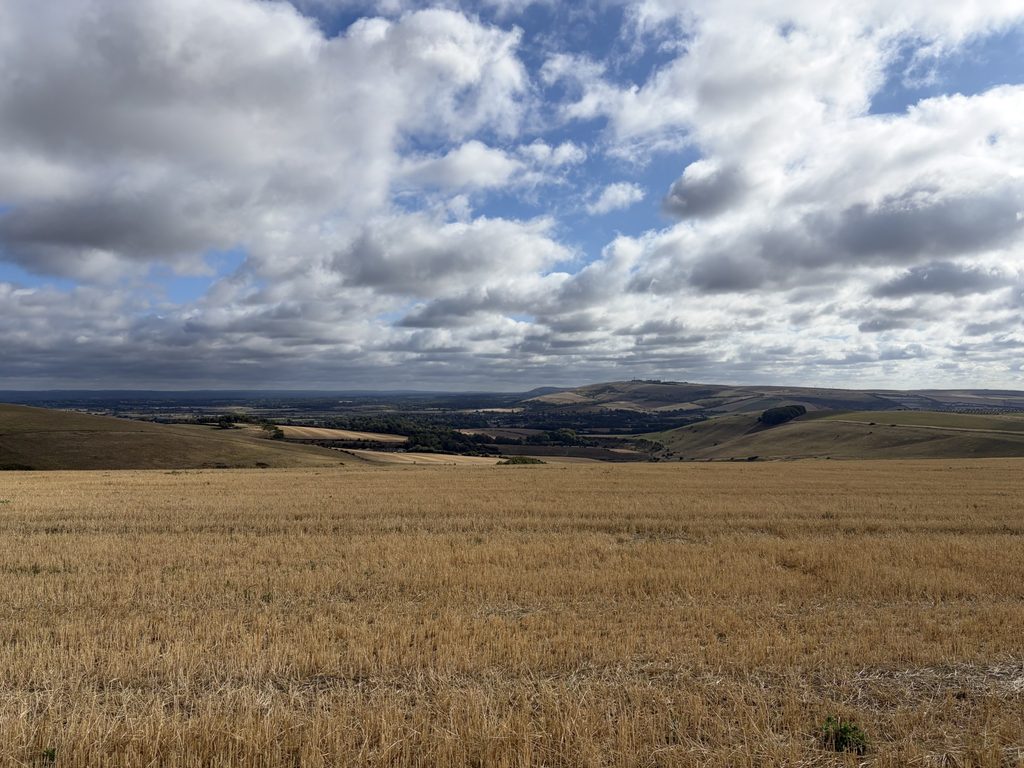
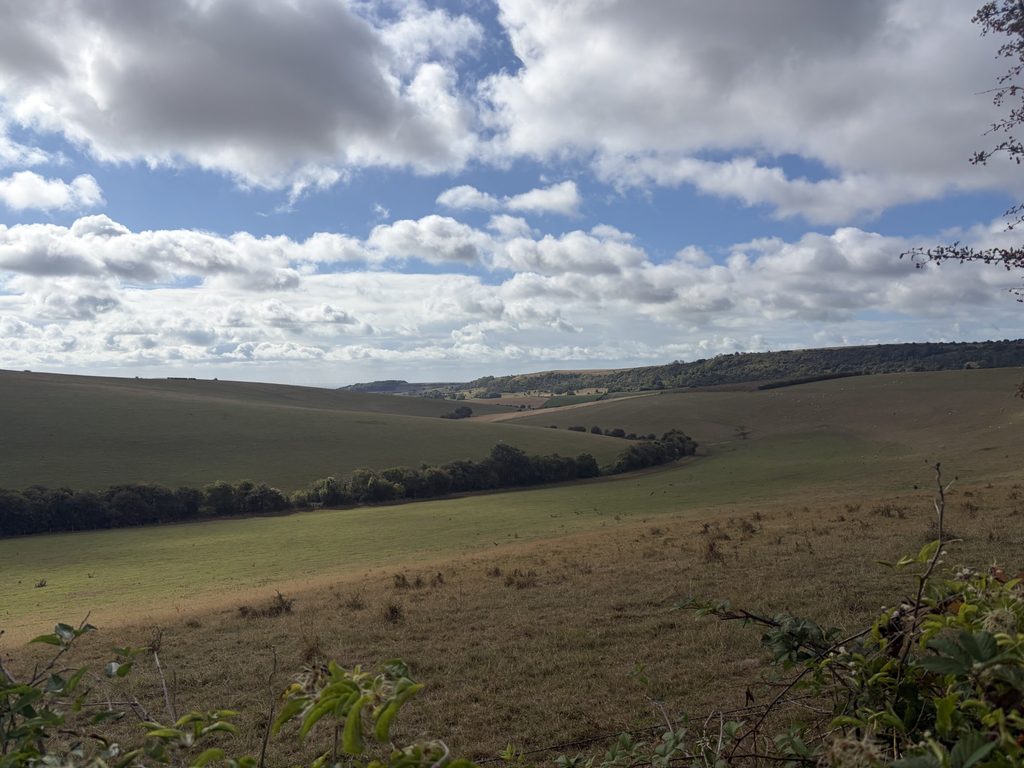
A walk from Steyning Bowl begins with that wonderful sense of height and openness that defines this western stretch of the South Downs. The bowl itself curves dramatically into the hillside, and as you set off along the South Downs Way, the ridge opens out in long, rolling lines towards Chanctonbury and the sea. The chalk path is broad and breezy, with skylarks rising overhead and wide views across the Adur valley. It’s an easy, flowing section of high ground where the landscape feels both ancient and expansive, the kind of terrain that settles you quickly into the rhythm of the Downs.
Picking up the Monarch’s Way, the route gains a more intimate, historic character as it skirts the flanks of the hills before climbing steadily towards Cissbury Ring. The ascent is rewarding: the ramparts appear gradually, then suddenly you’re on one of the great prehistoric hillforts of southern England, with panoramic views stretching from the Weald to the Channel. Looping back, the descent carries you through open grassland and quiet tracks that rejoin the South Downs Way, the ridge reforming ahead of you as Steyning Bowl comes back into sight. It’s a circuit full of contrast — airy heights, ancient earthworks, and the gentle folds of chalkland — a classic, deeply satisfying Downs walk.
West Itchenor
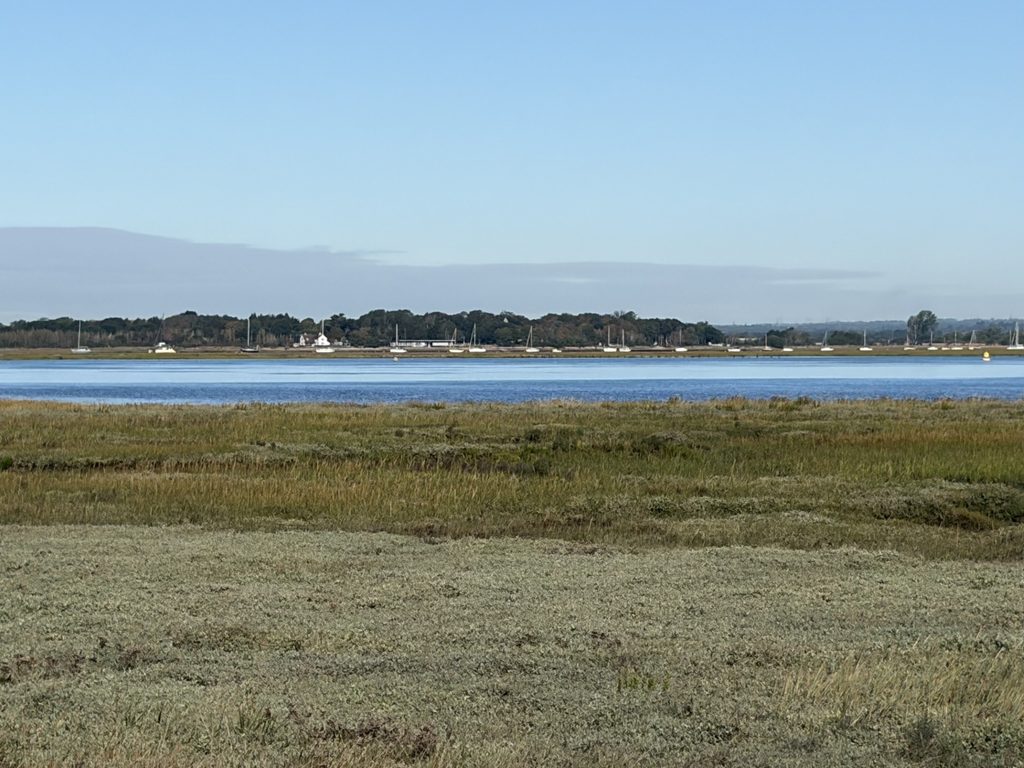
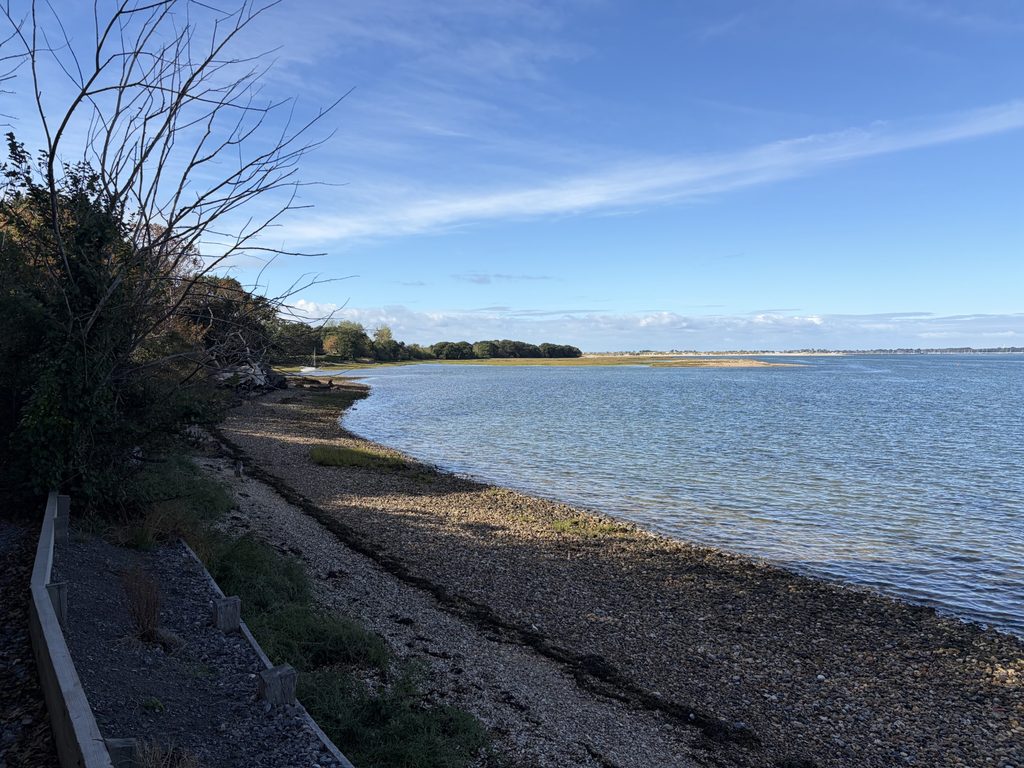
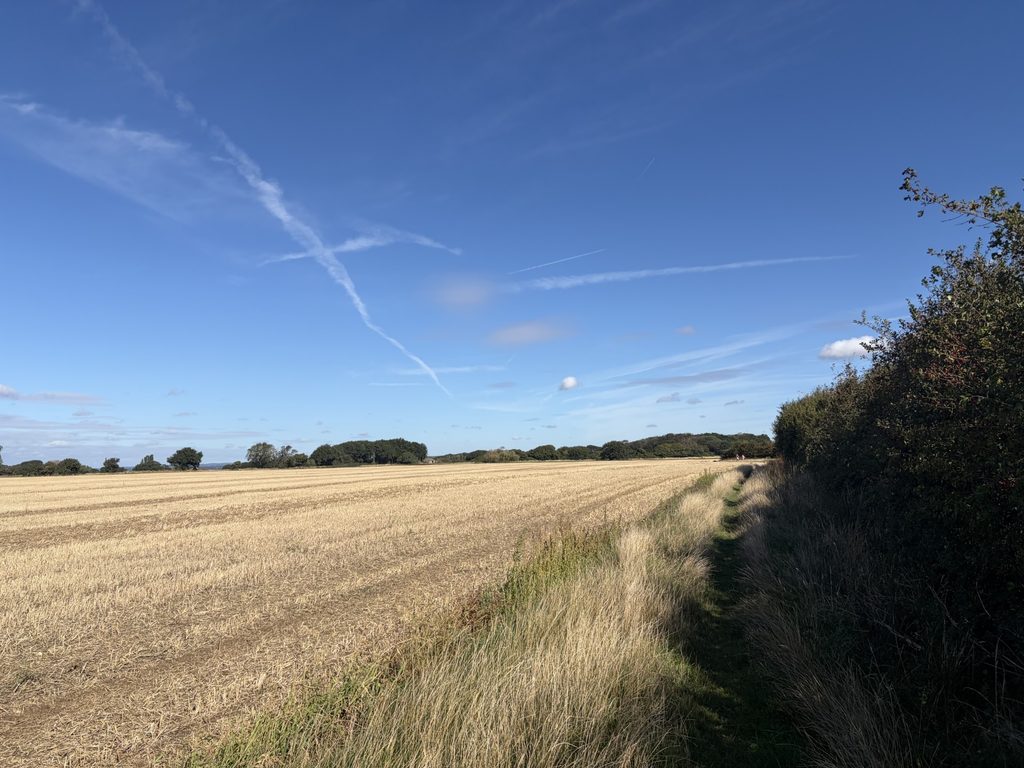
Starting from West Itchenor, the shoreline path curves south with wide views across the moorings and saltmarsh. As you continue toward Chaldock Marsh, the landscape becomes more open and elemental — big skies, reed beds whispering in the wind, and the long sweep of the Chichester Channel guiding you toward the harbour mouth. There’s a lovely sense of spaciousness here, with the water always at your side and the distant line of East Head and the Witterings drawing the eye.
Beyond West Wittering, the route arcs back inland, leaving the open harbour edge for quieter field paths and tree‑lined tracks. The contrast is gentle but welcome: sheltered lanes, glimpses of farmsteads, and the soft hum of village life replacing the wide coastal expanse. As you approach West Itchenor again, the masts reappear above the hedgerows and the scent of salt returns on the breeze. It’s a walk that blends serene shoreline, wildlife-rich marsh, and peaceful countryside, offering one of the most varied and restorative circuits in the harbour.
Alfriston
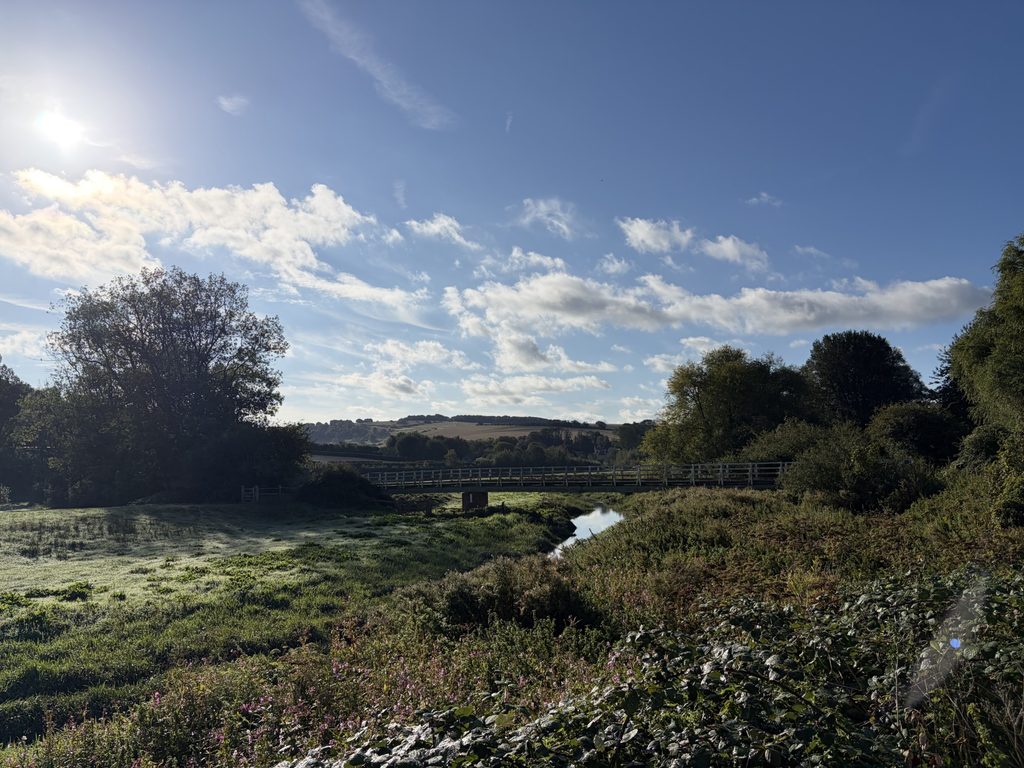
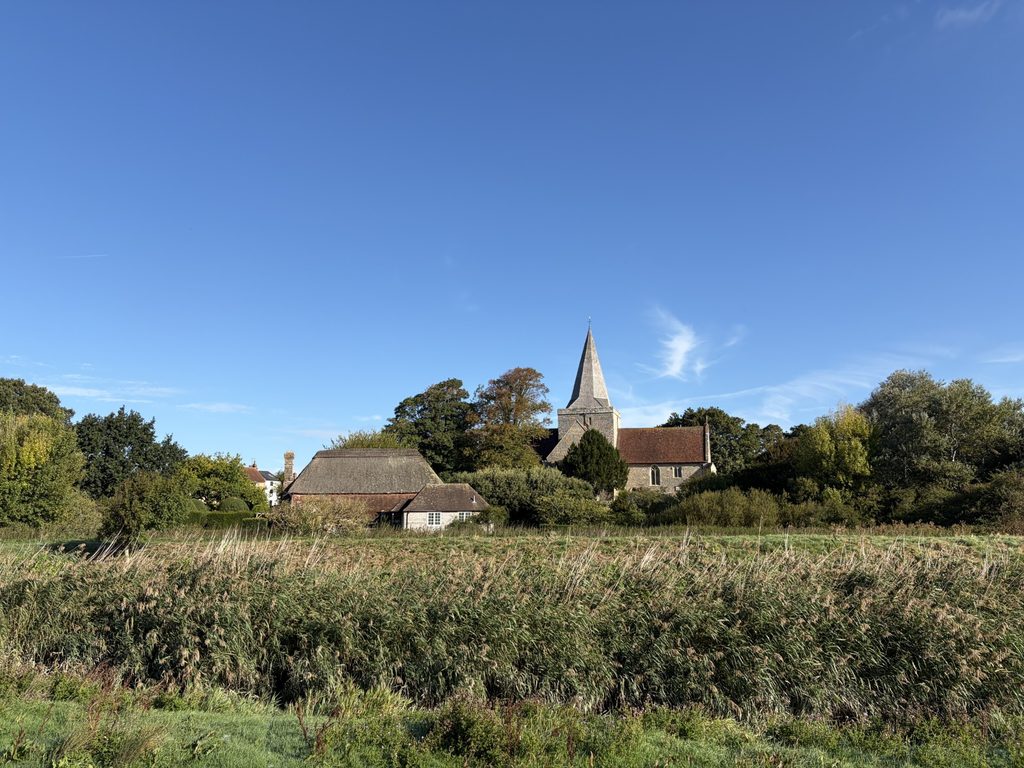
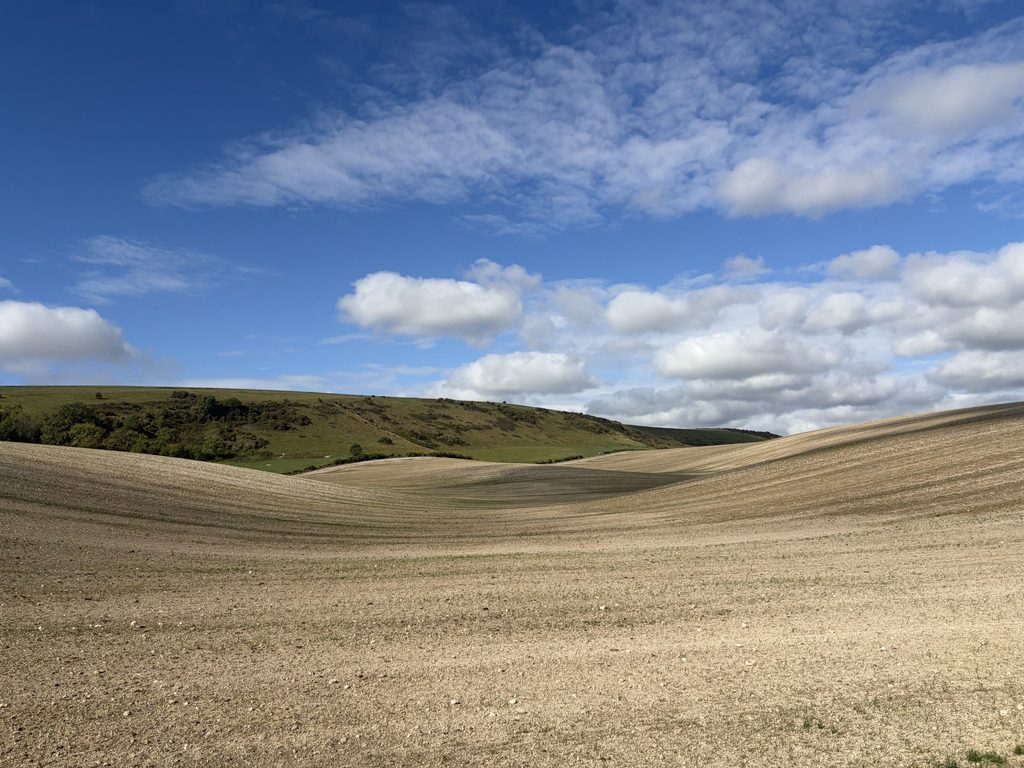
Starting from Alfriston, the walk settles quickly into the gentle rhythm of the Cuckmere River as it winds south through wide meadows and quiet grazing land. The valley feels open and peaceful, with long views toward the chalk hills and the soft curve of the river guiding your way. As you approach Littlington, the landscape begins to rise, and the Littlington White Horse comes into view — a striking chalk figure cut into the hillside, watching over the valley like a quiet landmark. Climbing past it gives you a wonderful shift in perspective: the river now below you, the Downs rolling away in folds, and the sense of being briefly lifted above the calm of the valley floor.
The return loop carries you east toward the line of the old railway, now a tranquil green corridor edged with trees and hedgerows. This section has a pleasing contrast to the open river meadows — more enclosed, more intimate, with birds flitting between the branches and the faint sense of history in the old trackbed. As the path curves back toward Alfriston, the village’s flint cottages and church tower reappear, framed by the surrounding hills. It’s a walk that blends river serenity, chalk‑down drama, and a touch of Sussex heritage, all wrapped into a beautifully balanced circuit.
Sullington Warren
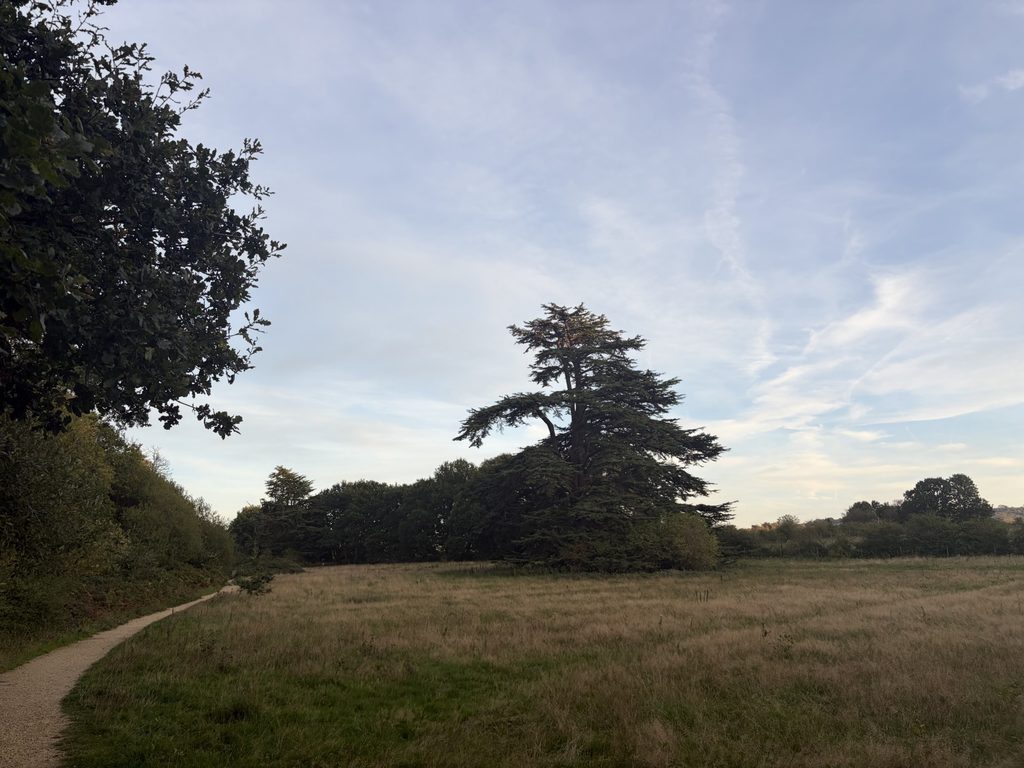
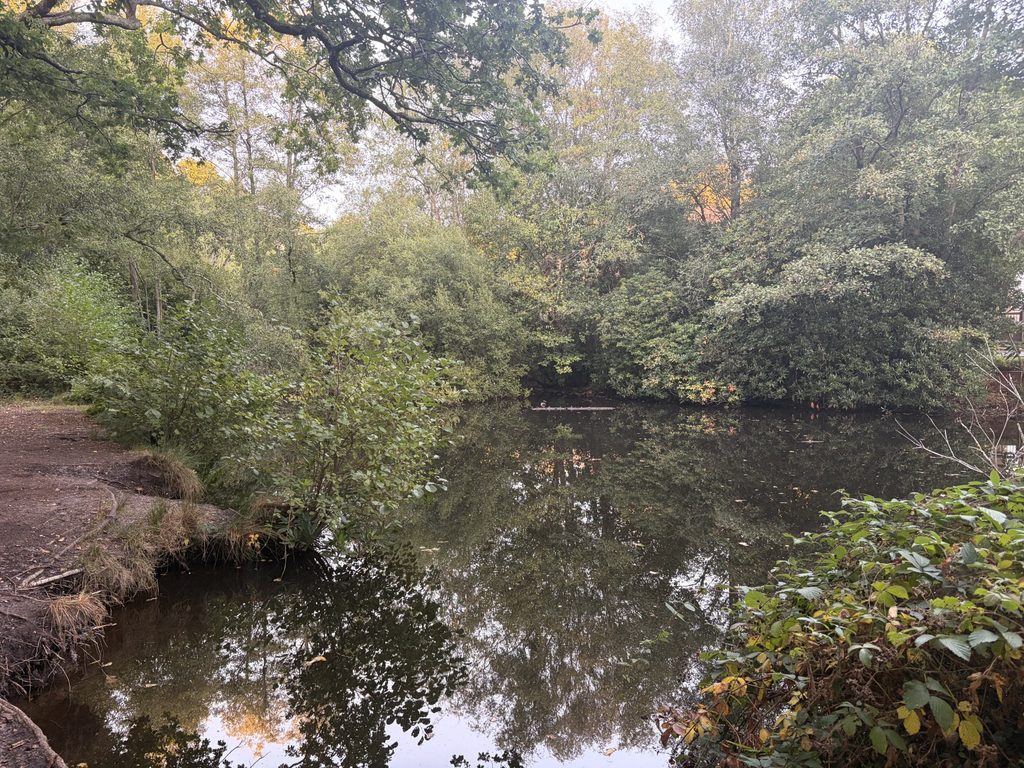
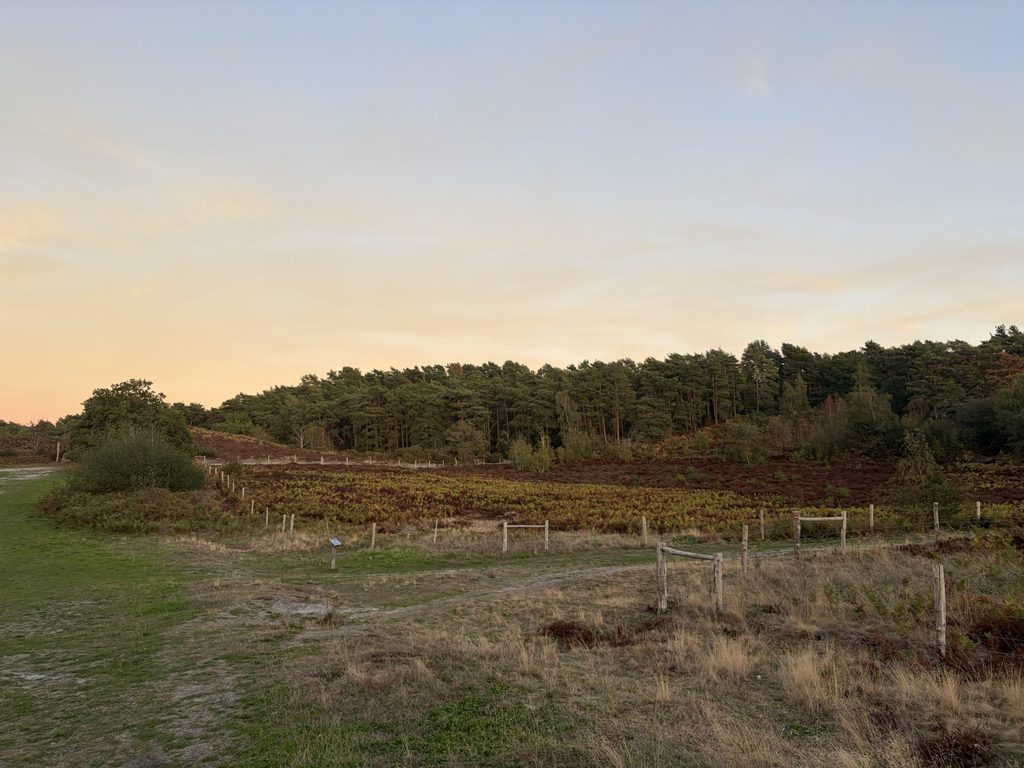
A walk across Sullington Warren has that lovely mix of open heath and quiet woodland that makes this corner of the Downs feel both expansive and intimate. The sandy paths wind through stretches of gorse, heather and scattered pines, with long views opening towards the ridge above Storrington. There’s a real sense of old landscape here — the humps and hollows of former quarries, the dry, sun‑warmed earth underfoot, and the occasional glimpse of kestrels hovering over the heath. It’s one of those places where the light shifts constantly, catching the tops of the pines one moment and the purple of late‑summer heather the next.
Continuing into Sandgate Park, the character changes subtly as the heath gives way to a more wooded, sheltered feel. The paths thread between birch, oak and conifer, dipping into pockets of cool shade before emerging onto sandy clearings dotted with silver birch. It’s peaceful walking — the kind where you notice the crunch of dry needles underfoot, the flicker of dragonflies near the ponds, and the quiet rustle of deer moving through the trees. Looping back towards the Warren, the landscape opens out again, giving the walk a satisfying rhythm of wide horizons and enclosed woodland before you return to the edge of the Downs.
Lurgashall
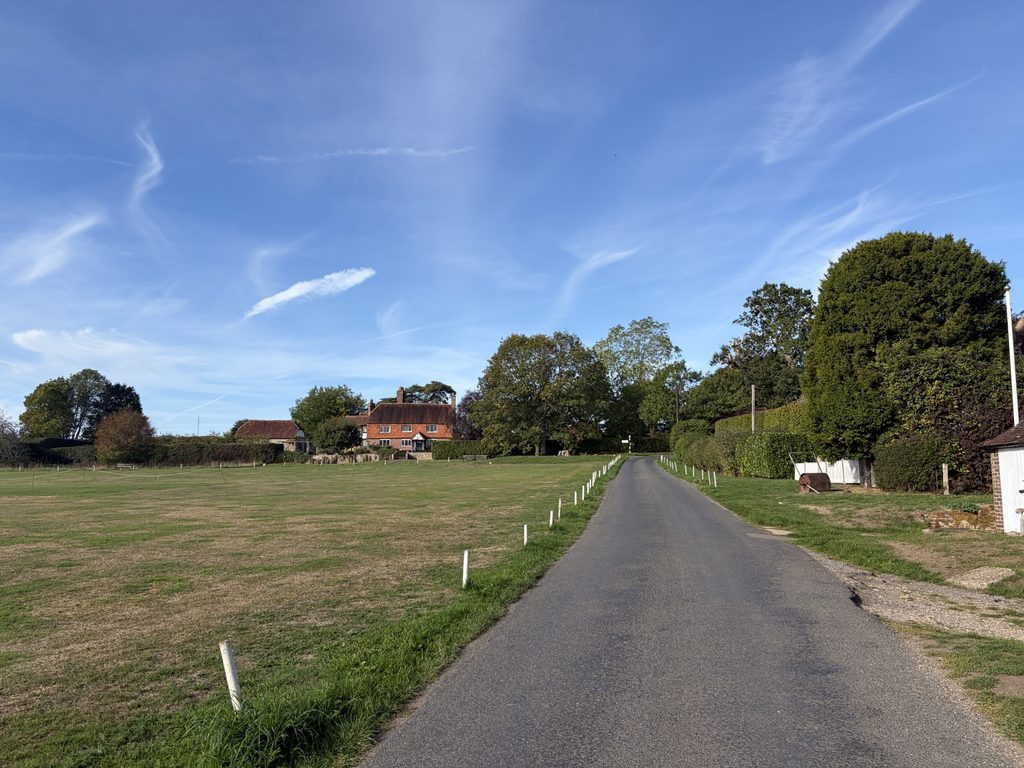
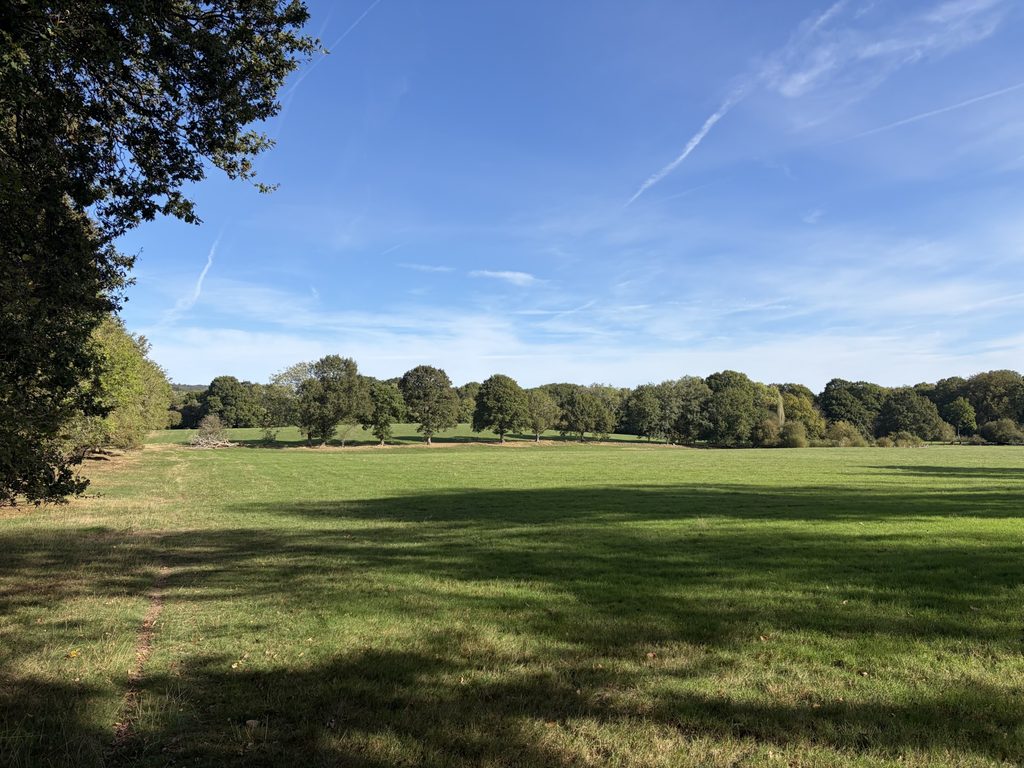
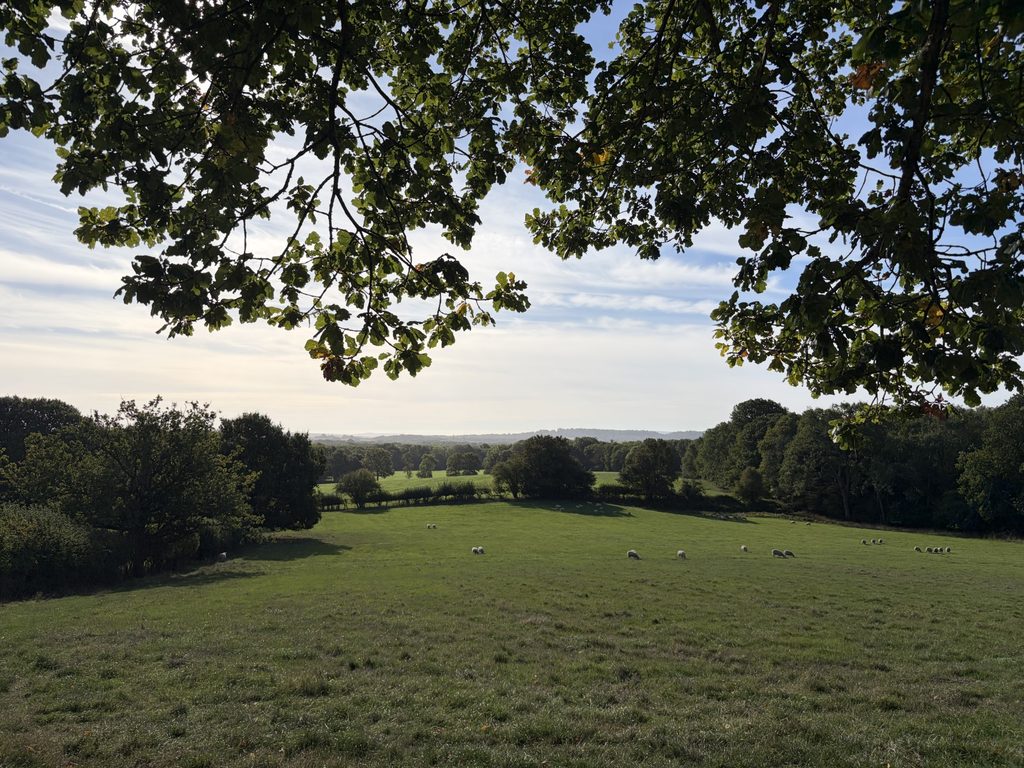
A walk from Lurgashall begins with that gentle, timeless charm the village does so well — the green, the pub, the church, all gathered around a landscape that seems to exhale calm. Leaving the centre, the route slips quickly into open fields and quiet lanes before curving towards Coochway Ground, where the countryside feels wonderfully tucked‑away. Here the paths weave between hedgerows and pockets of mixed woodland, with glimpses back towards Blackdown and the rolling farmland that frames the village. It’s peaceful, textured walking — the kind where you notice the shift from meadow to woodland floor, the soft rise and fall of old field boundaries, and the steady quiet that settles as you move deeper into the trees.
From Coochway Ground the route draws you into Bullocks Copse and Tanland Copse, two adjoining woods that offer a lovely contrast of tall oak, hazel understorey and narrow, winding paths. The air cools, the light softens, and the walk takes on that enclosed, almost secretive feel that makes these Wealden woods so appealing. Occasional clearings open unexpectedly, dotted with birch and bracken, before the path begins its gentle return towards Lurgashall. Emerging from the trees, the landscape widens again into farmland and quiet lanes, guiding you back to the village with that satisfying sense of having looped through a varied, quietly beautiful corner of the West Sussex countryside.
Iping Common
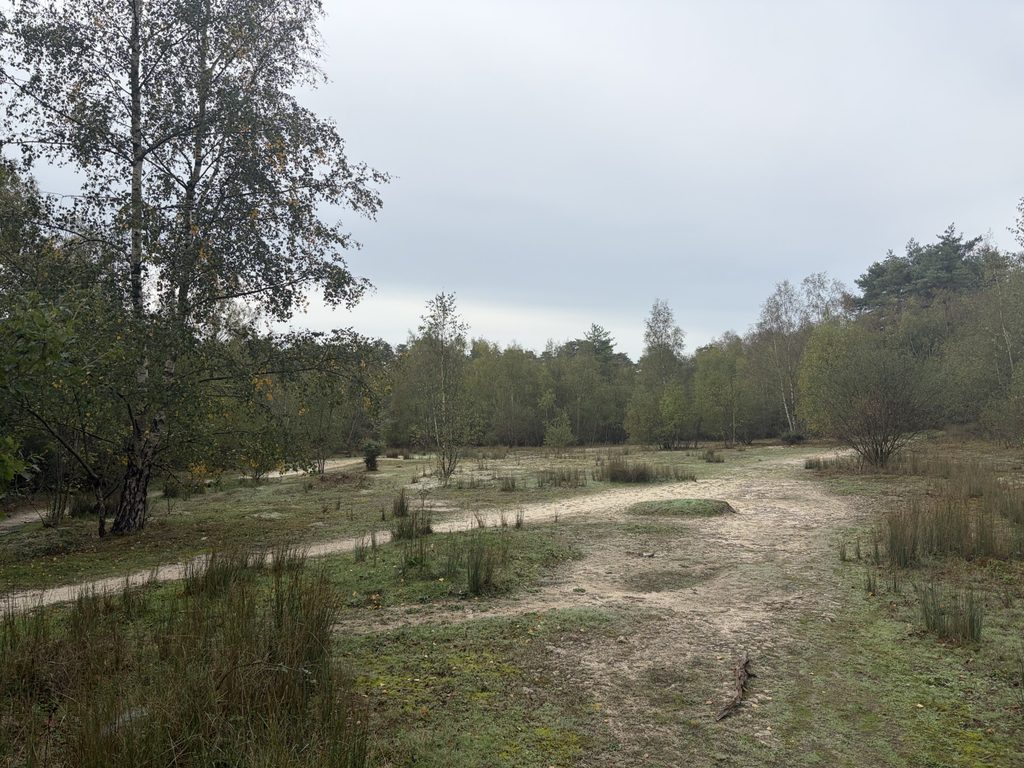
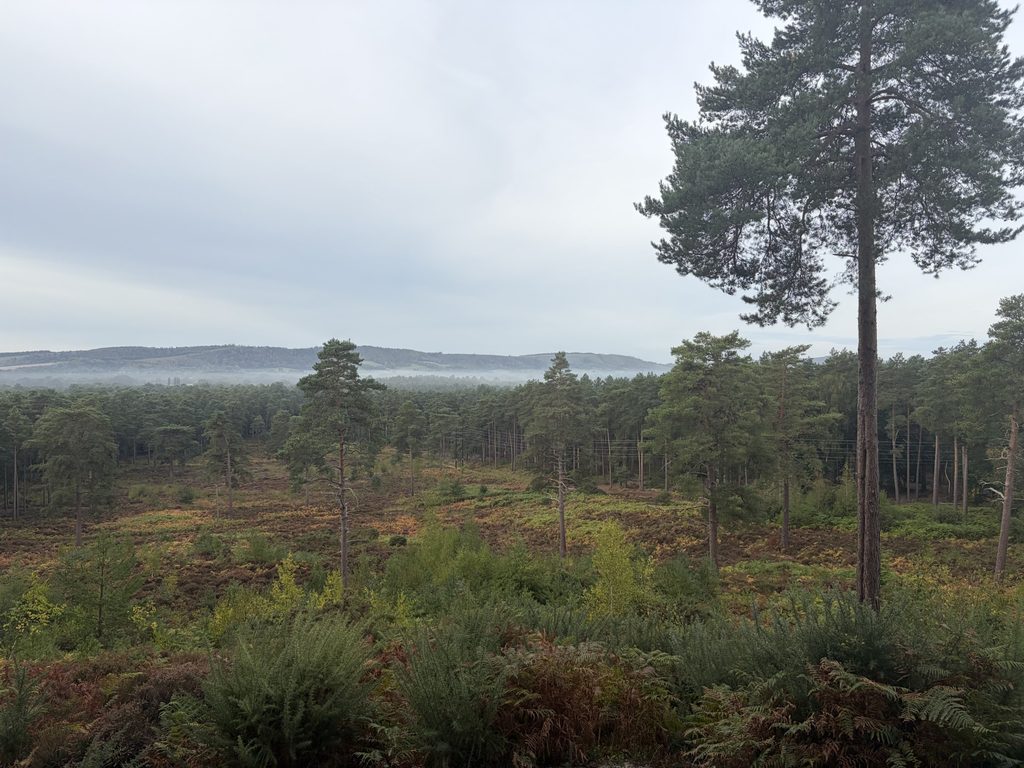
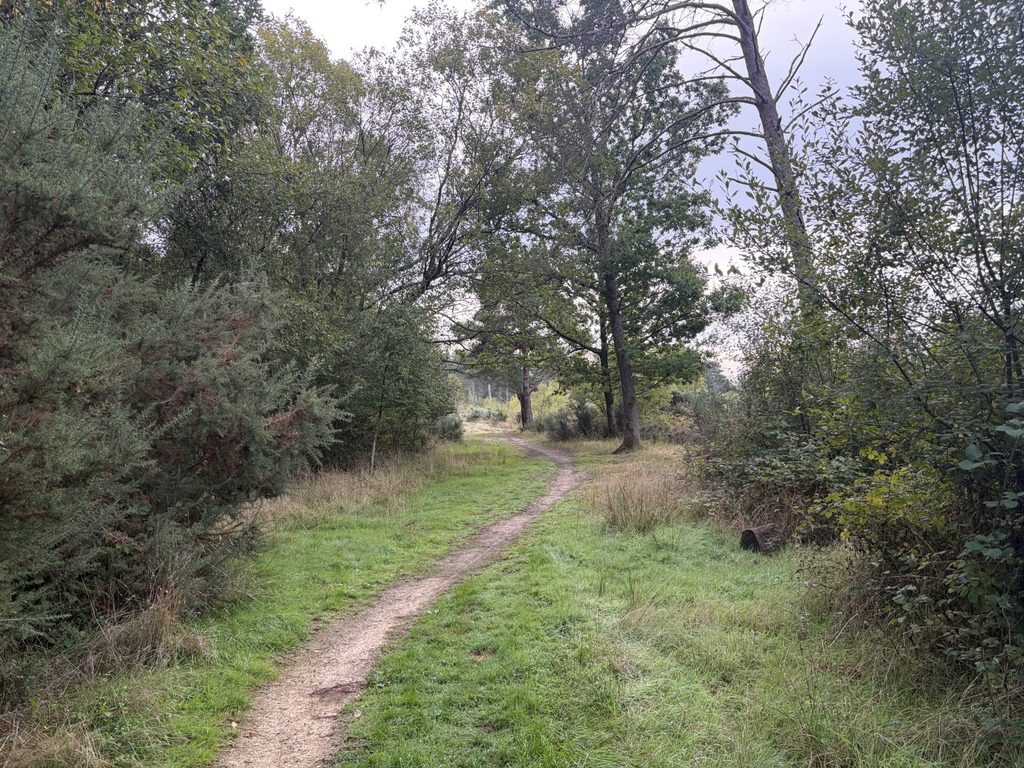
A circuit across Iping Common that follows the Serpent Trail has a wonderfully shifting rhythm — beginning in open heathland where the air feels wide and lightly scented with pine. The sandy paths curve between stands of gorse and scattered birch, giving you those classic Wealden heath vistas before the trail slips eastward toward Stedham Common. Here the landscape becomes more textured: pockets of woodland, quiet pools, and stretches of heather that feel almost untouched. There’s a lovely sense of continuity between the two commons, as if you’re walking through different expressions of the same ancient heath.
Beyond Stedham, the route threads into The Several Woods, where the character changes again. The trees close in, the light softens, and the path winds through oak, holly and sweet chestnut with that gentle hush you only get in older woodland. Emerging onto Midhurst Common, the world opens up once more — broad tracks, glimpses of distant rooftops, and the feeling of being on the edge of town without ever losing the quiet of the countryside. Looping back toward Iping Common, the heathland returns in full, giving the walk a satisfying symmetry: open, wooded, open again, all stitched together by the Serpent Trail’s easy flow.
Litlington
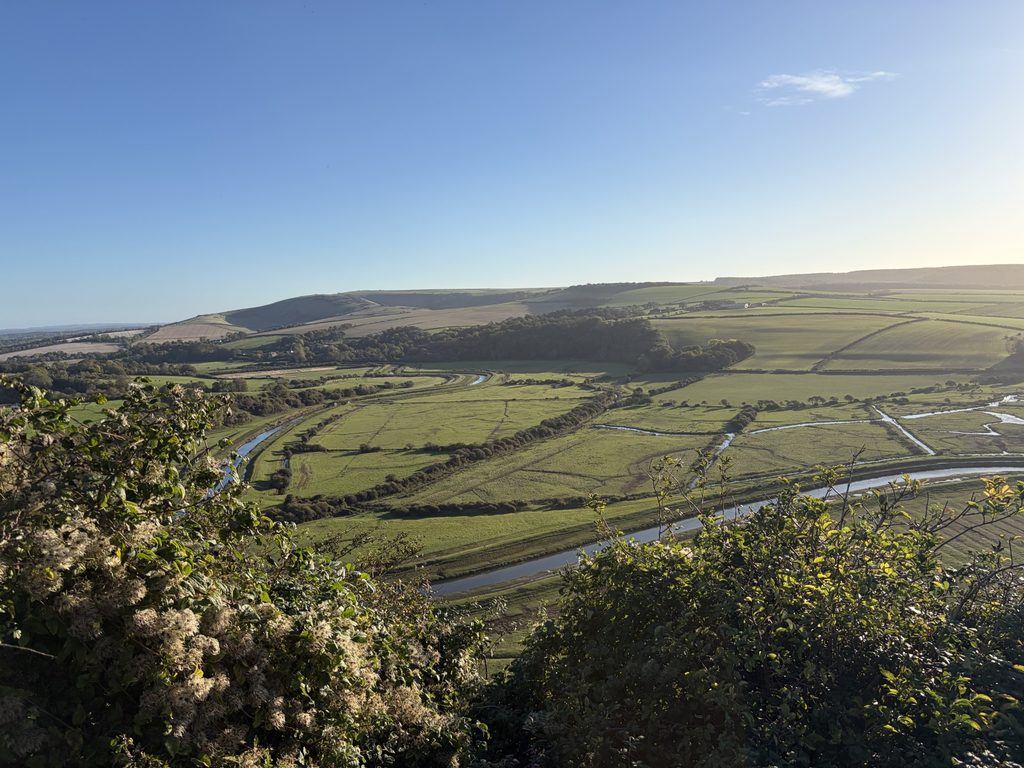
Starting in Litlington, the walk begins gently along the Cuckmere River, where the water moves in slow, looping curves through wide meadows. The valley feels open and peaceful here, with long views toward the chalk hills and the quiet rhythm of grazing sheep. As you follow the riverside path north, the landscape gradually tightens, the flat floodplain giving way to the first hints of woodland. The transition is subtle but atmospheric: birdsong replaces the open silence, the air cools under the canopy, and the river becomes a companion glimpsed through branches rather than a constant presence at your side.
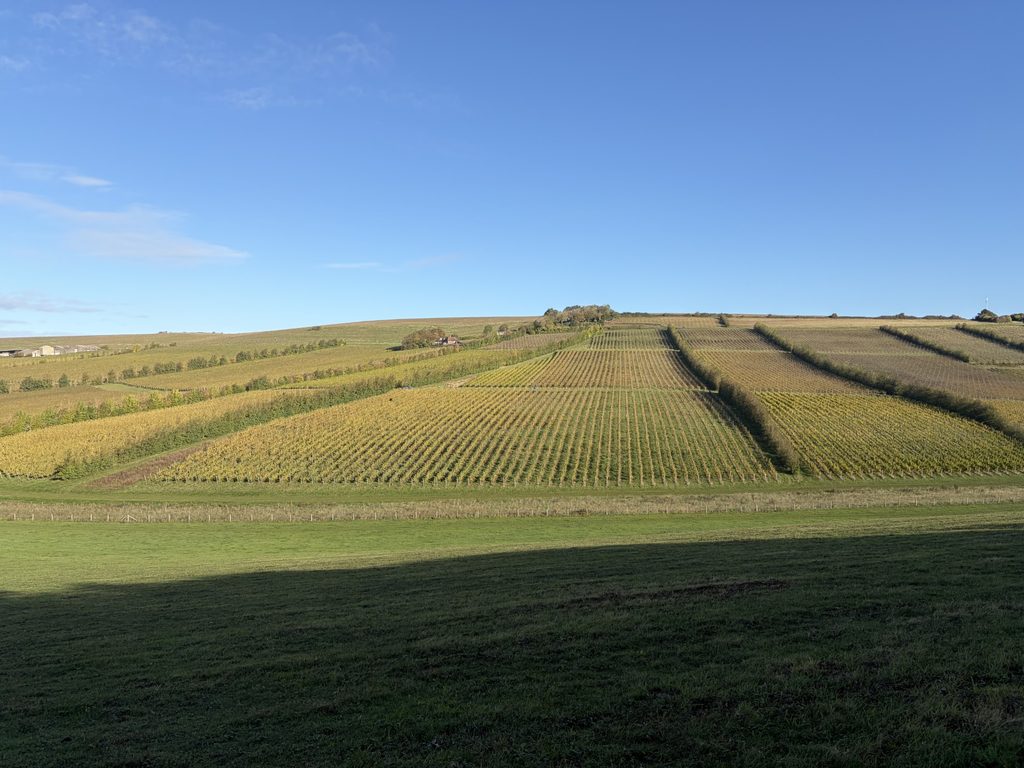
Beyond the river, the route climbs into the wooded slopes of Cradle Hill, a section that brings a satisfying change of pace. The ascent winds through oak and ash, the path rising steadily until the trees thin and the views open out across the Cuckmere Valley. It’s a rewarding high point—quiet, elevated, and full of that expansive South Downs feeling. The descent back toward Littlington is gentler, leading you through pockets of woodland and open fields before returning to the village. The final stretch feels warm and familiar, a soft landing after the climb, completing a walk that blends riverside calm, shaded woodland, and uplifting hilltop scenery.