
Seven Sisters & Cuckmere Valley
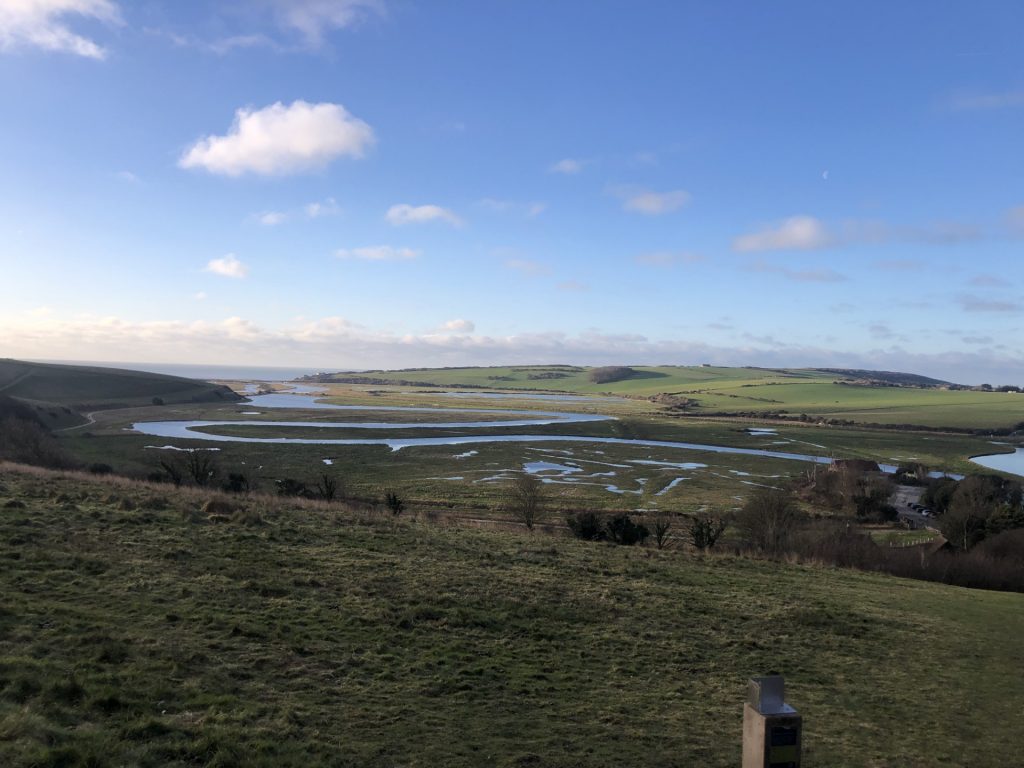
The year began with an invigorating walk on a crisp January morning. We set off from the Cuckmere Valley car park and climbed steadily up Exceat Hill, before winding our way through West Dene and into the quiet, mossy depths of Friston Forest. From there, the path rose again towards Friston village, where we crossed the road by the church and continued on towards the coast.
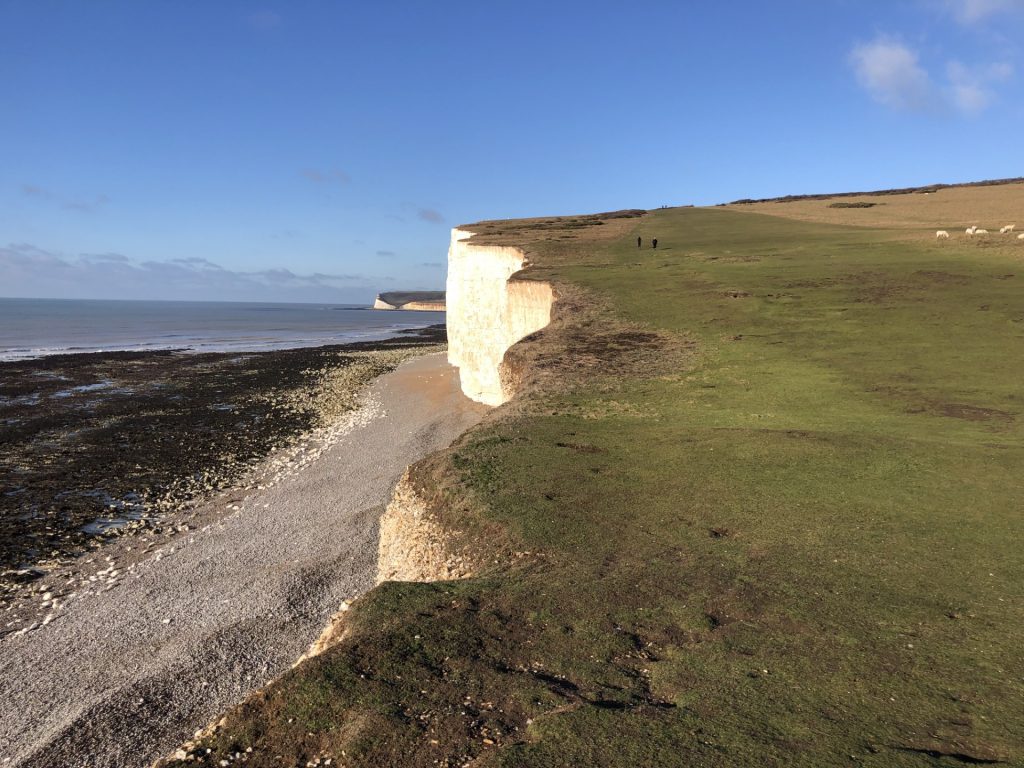
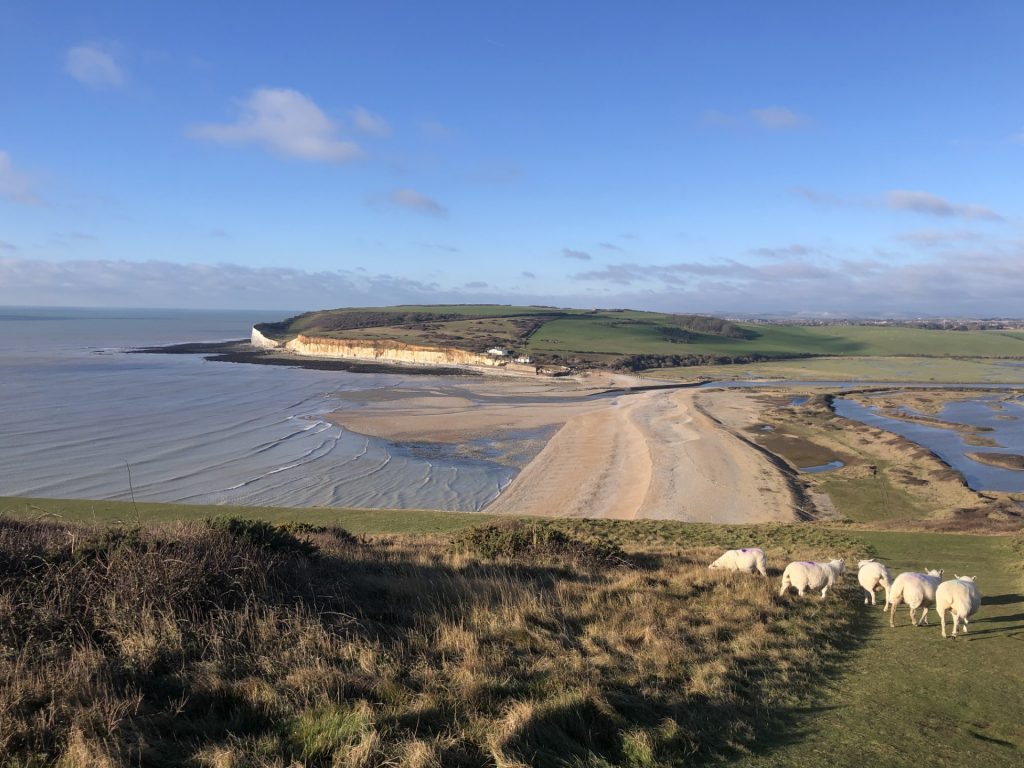
Reaching the clifftops, the landscape opened dramatically into the iconic sweep of the Seven Sisters. We turned west along the coastline, tackling a series of slippery descents and steep climbs, each one rewarded with ever‑changing views across sea, sky and chalk. Eventually we dropped back into the Cuckmere Valley and followed the gentle curve of the oxbow river all the way to the car.
It’s a superb route that captures the very best of the Sussex countryside: rolling chalk downland, peaceful ancient woodland, characterful hamlets with historic churches, and one of the most spectacular coastlines in Britain.
Devil’s Punch Bowl
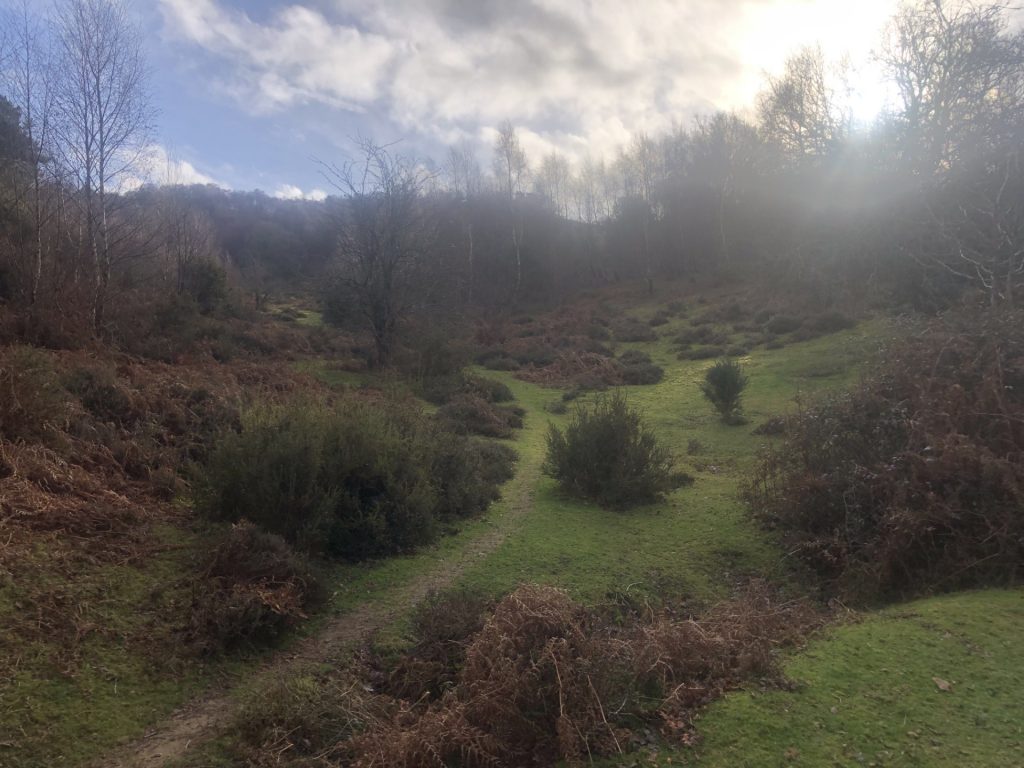
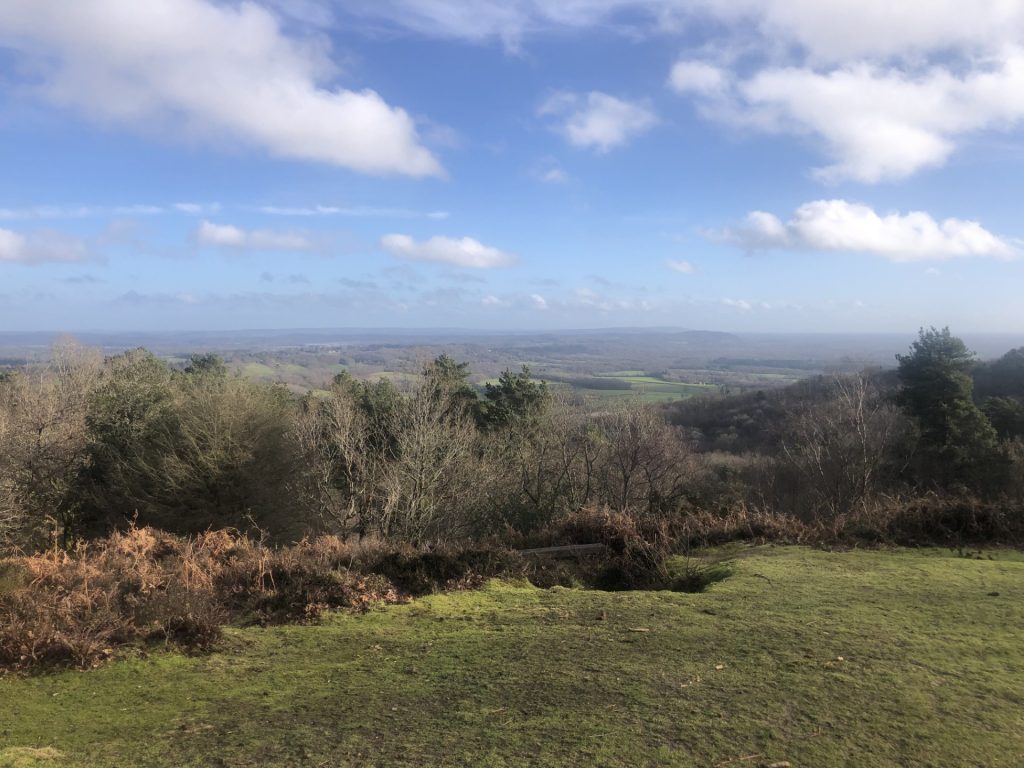
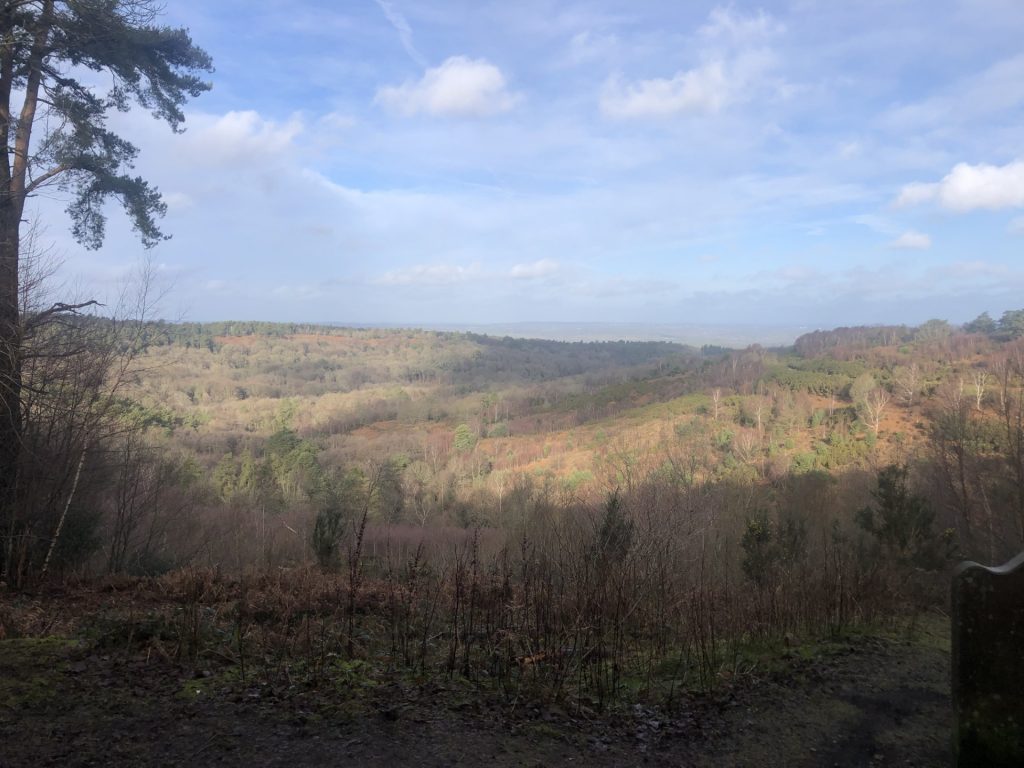
A January walk around the vast natural amphitheatre of the Devil’s Punch Bowl, its sweeping views opening up along the high ridgeline paths. One moment looking across a deep, ancient valley carved by erosion, the next weaving through quiet woodland where Scots pines, heather and gorse create a wonderfully wild atmosphere.
Hindhead Common offers a gentler, more contemplative stretch of the route, with broad sandy tracks and pockets of heathland. The viewpoints are exceptional—Gibbet Hill in particular provides one of the highest panoramas in Surrey, stretching out towards the South Downs. Wildlife is a constant companion here: Dartford warblers flitting through the gorse and ponies grazing the heath.
Burpham
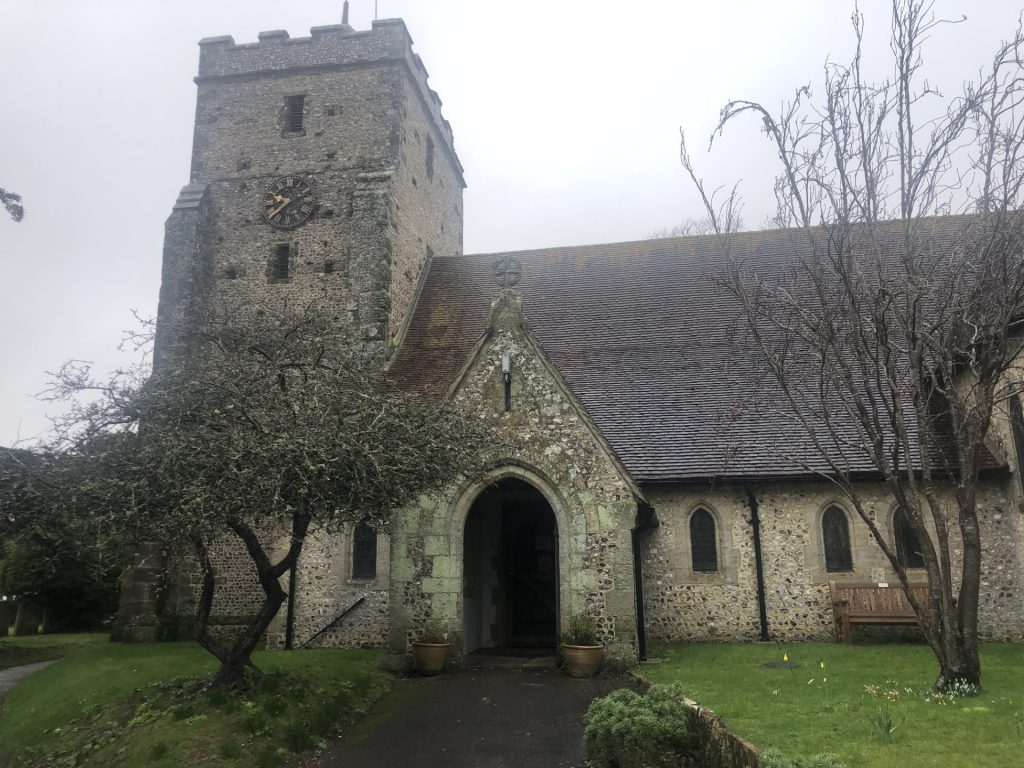
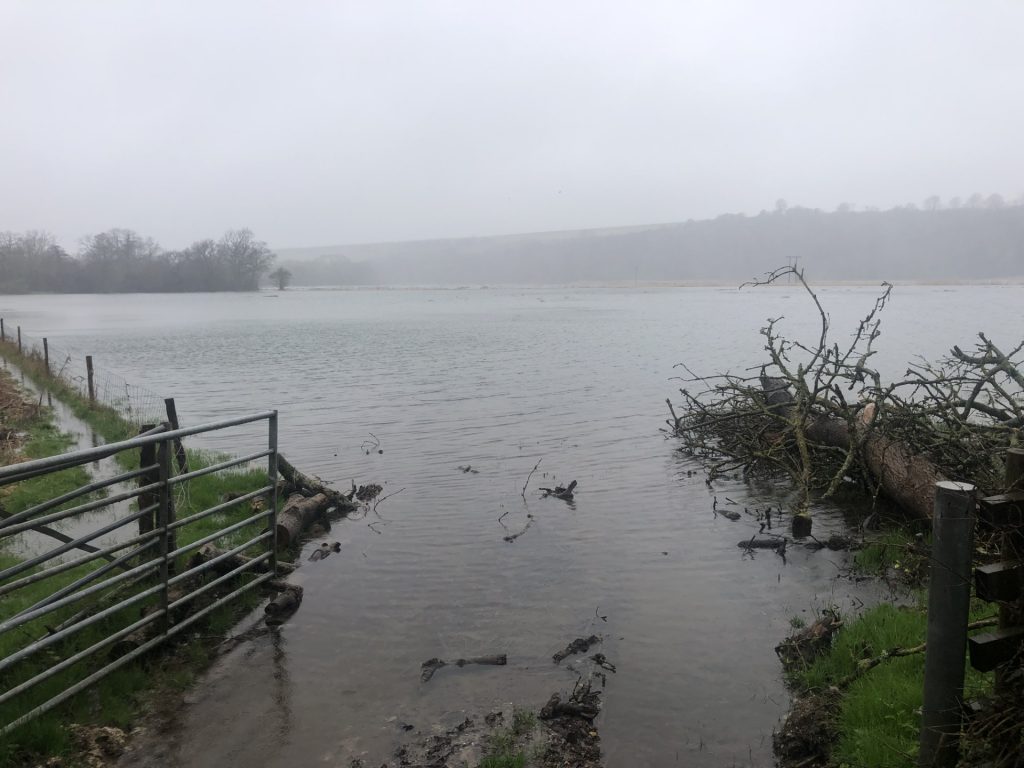
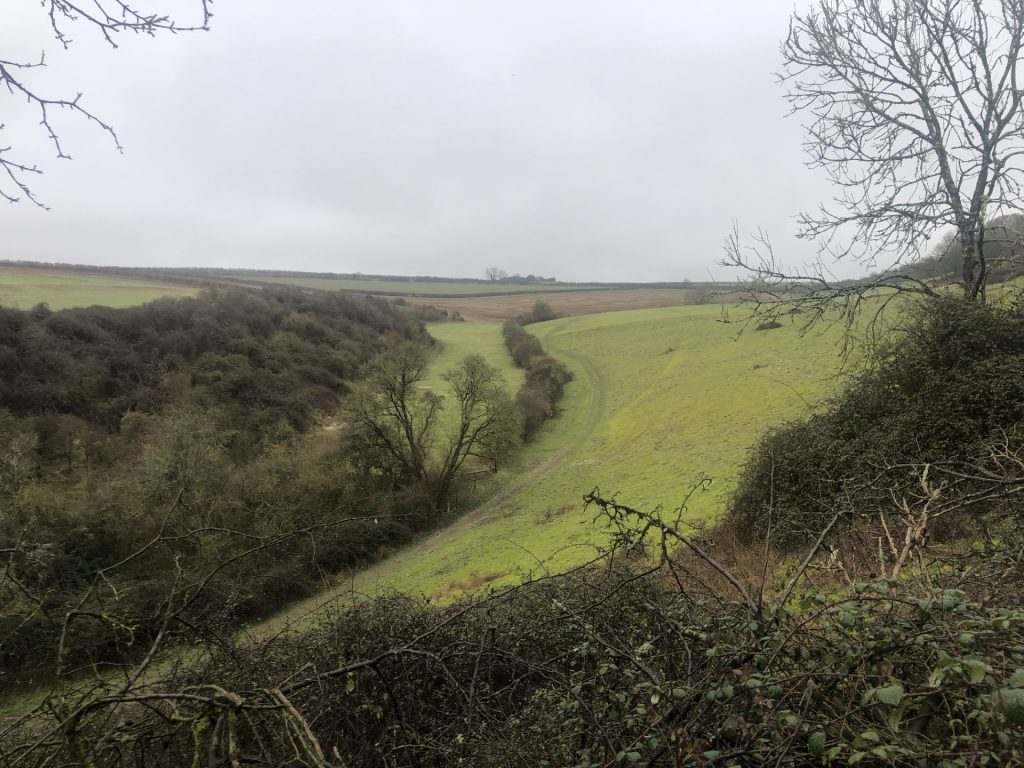
A very wet walk beginning in Burpham village, with flint cottages, a handsome church and the gentle curve of the Arun setting the tone before a climb onto the Downs. On top of the hill, the landscape opened out dramatically: broad chalk slopes and airy ridgelines. The South Downs Way taking us over Racham Hill first, where the views sweep across the Arun Valley towards Arundel.
Continuing over Springhead Hill, the character shifted subtly again. Here the Downs felt more intimate, with rolling contours, pockets of woodland and long, flowing paths that invited an easy rhythm. Dropping back towards Burpham, we were treated to a final panorama of the valley before re-entering the village’s sheltered charm.
Houghton Forest & Bignor Hill
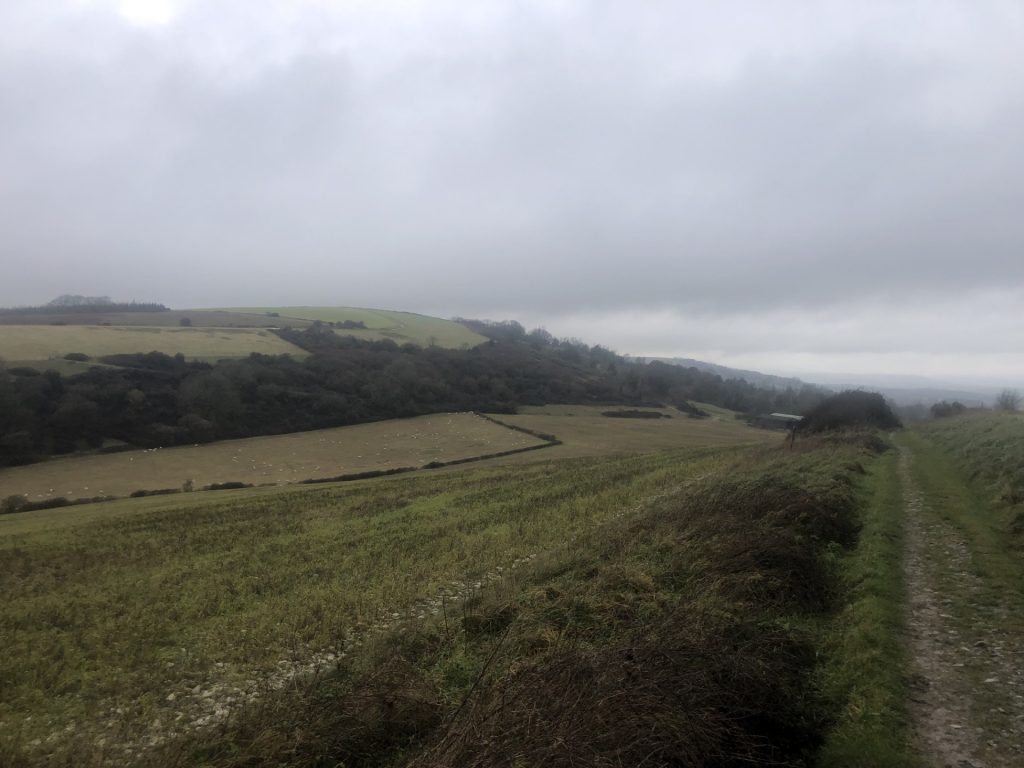
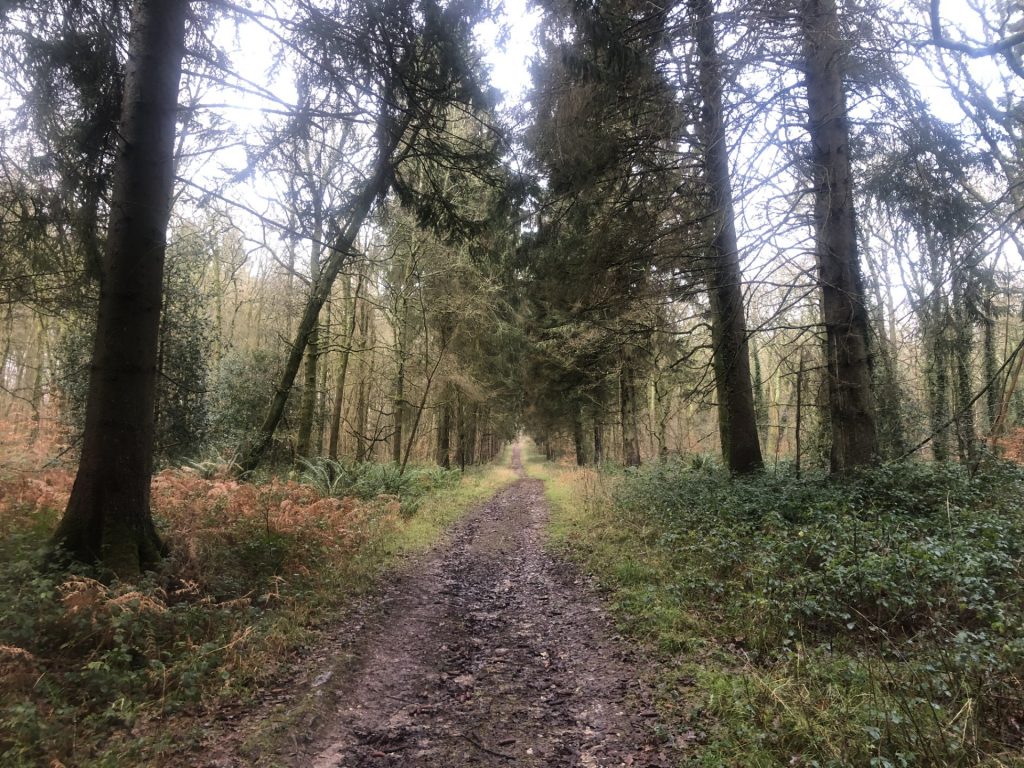
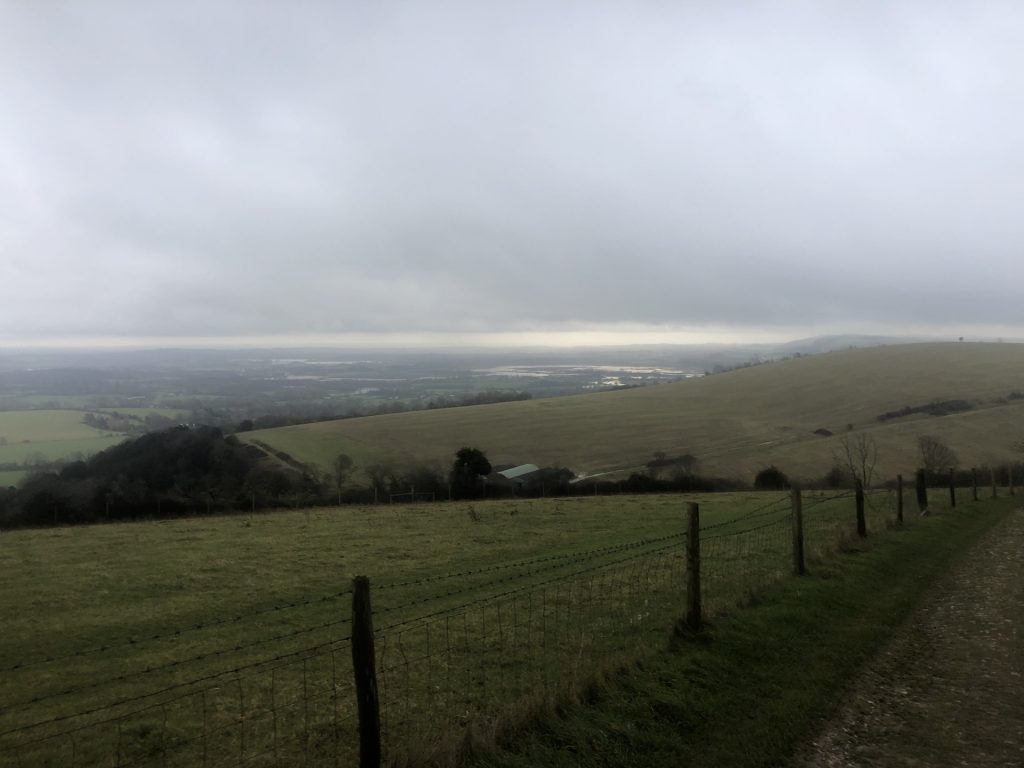
A circuit through Houghton Forest, up onto Bignor Hill and across to Westburton Hill providing one of the most varied and rewarding walks in this part of the South Downs. Houghton Forest itself is a pleasure to wander: tall pines, quiet beech avenues and soft, springy paths that feel wonderfully secluded even on busy days. As you climb, the trees thin and the landscape opens, revealing the broad chalk ridge that leads towards Bignor Hill.
A walk blending woodland calm, high Downland drama and rich historical texture—one of those routes that feels both expansive and deeply rooted in the landscape.
Woodingdean
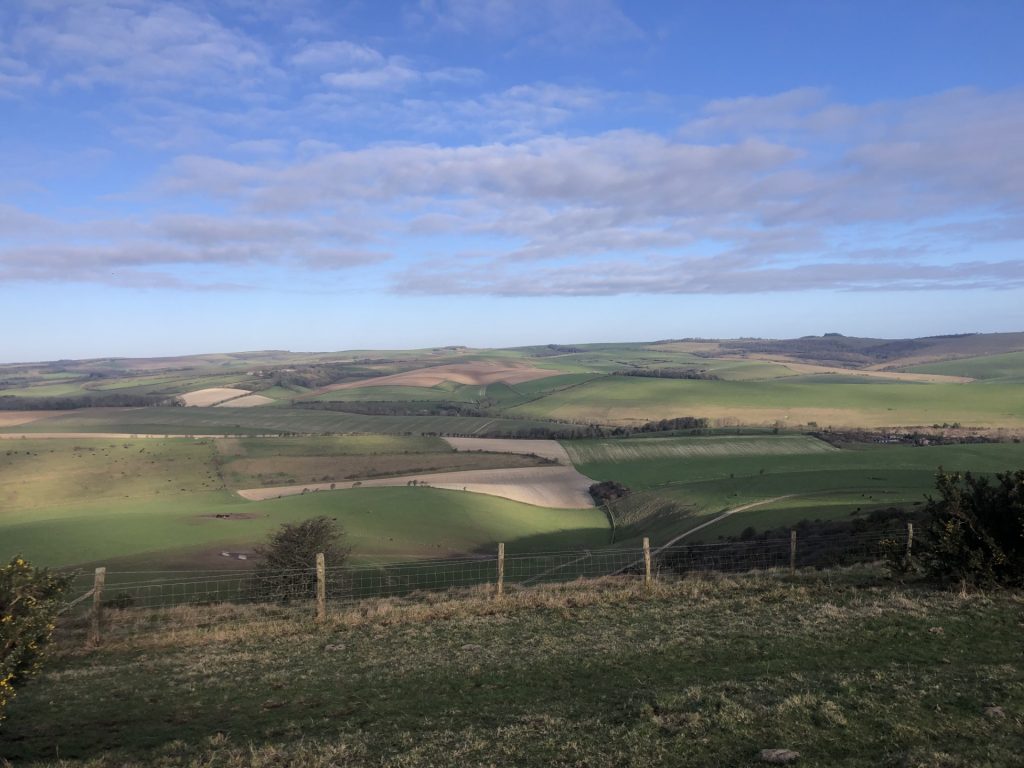
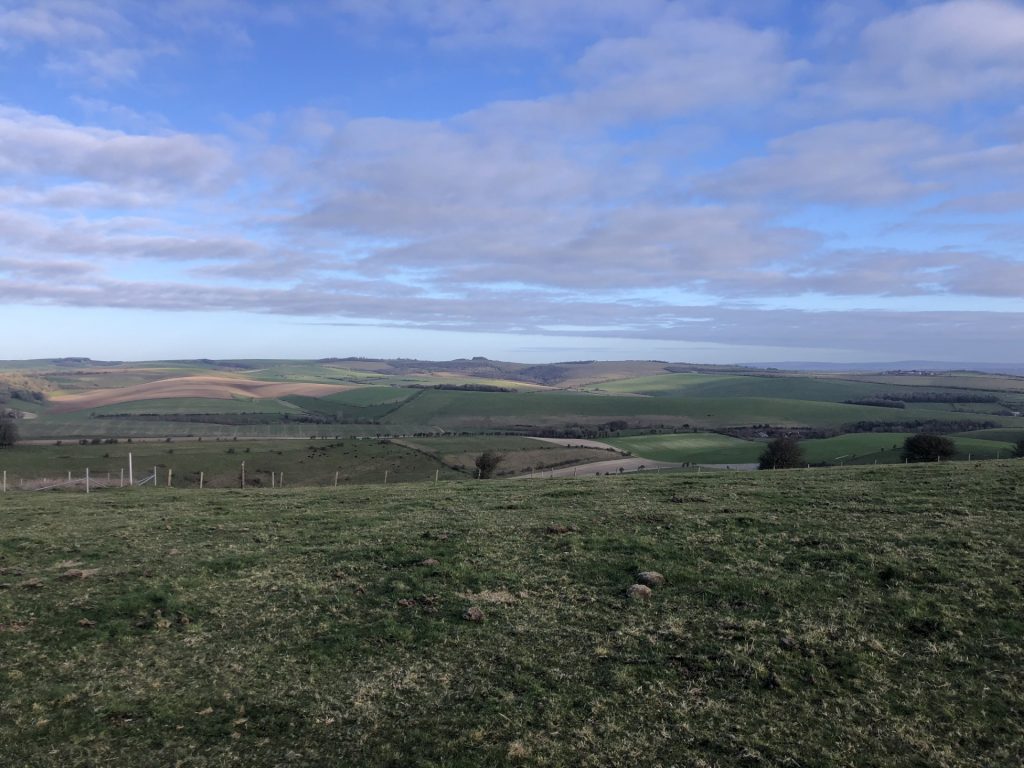
Leaving Woodingdean village, we climbed towards Swanborough Hill towards Lewes and the Ouse Valley. The South Downs Way traces the ridge here, and on either side there were (flooded) open fields and the sea in the distance. Bullock Hill offered a quieter, more remote stretch.
From there, we headed through Castle Hill National Nature Reserve and up Newmarket Hill, then back to Woodingdean. It’s one of the most rewarding loops on the eastern edge of Brighton.
Beachy Head
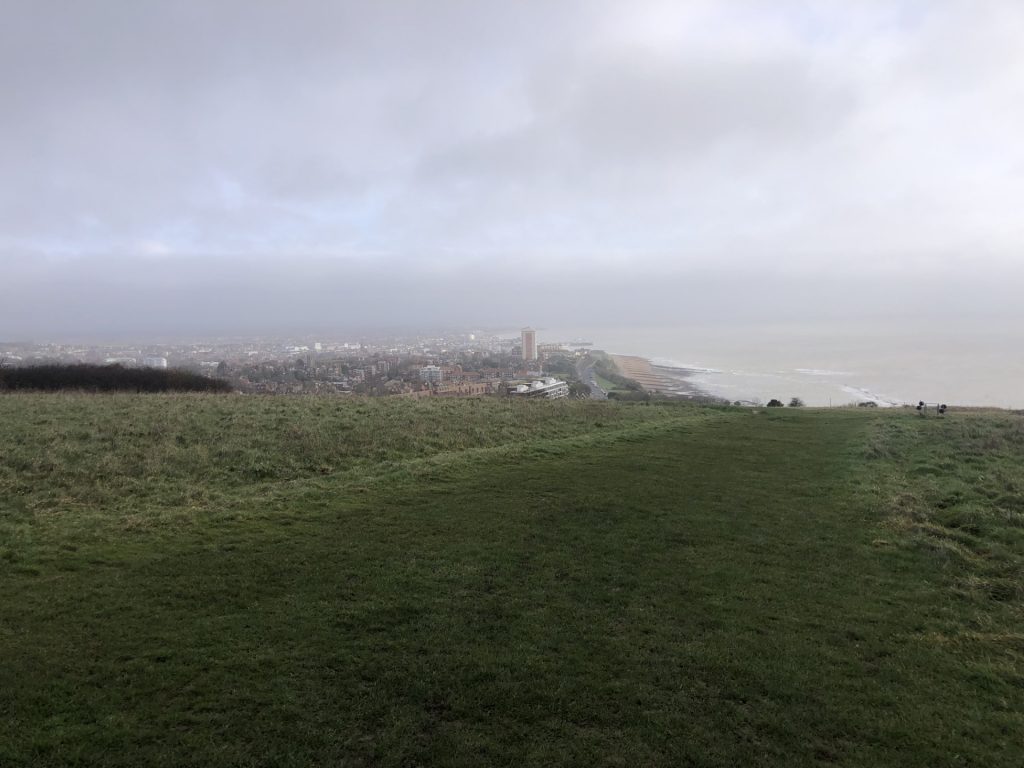
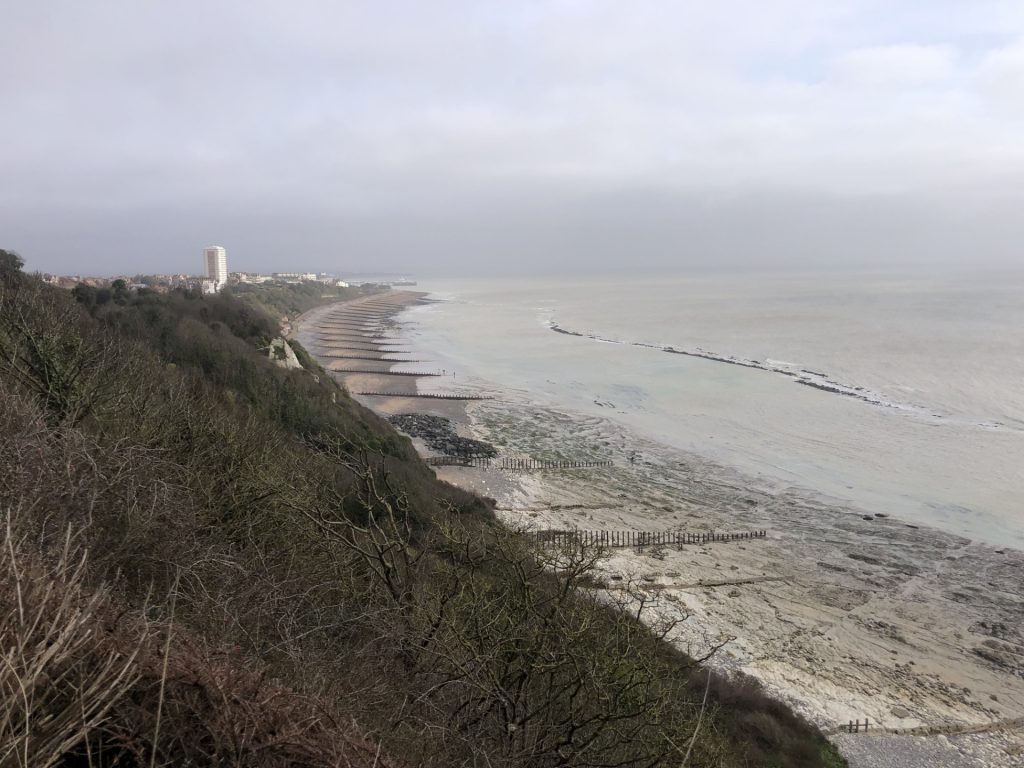
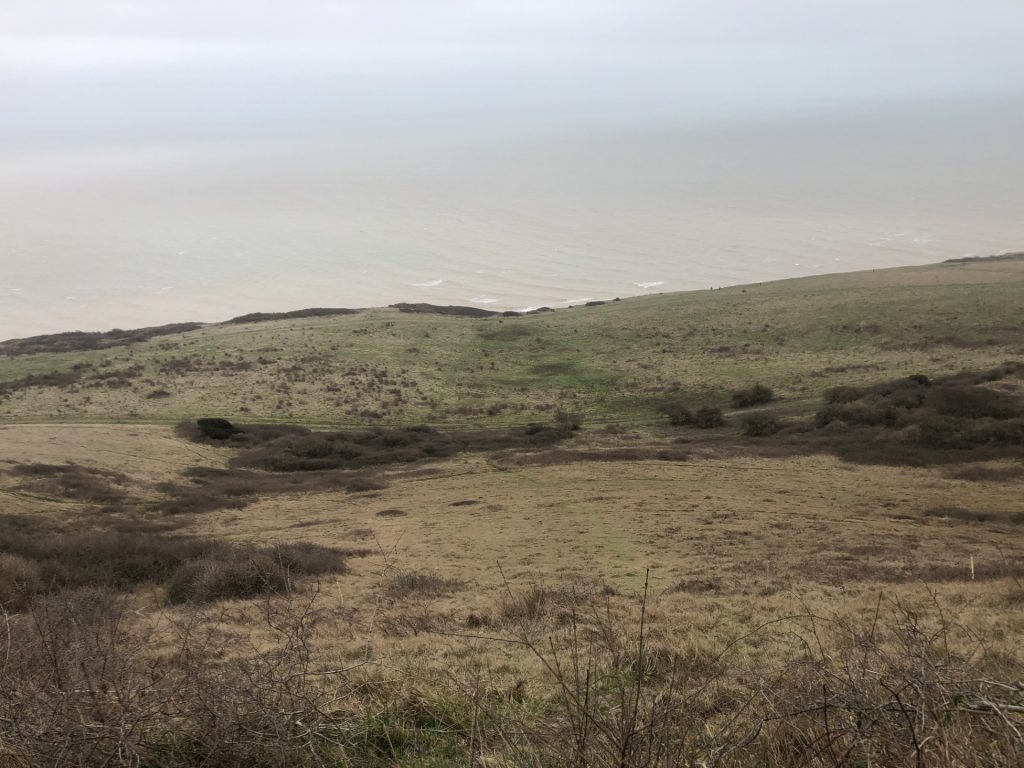
A walk around the Beachy Head chalk headland on a cloudy, windy day has a raw, elemental beauty. The clifftop path provided sweeping views along the white cliffs and out to the red‑and‑white lighthouse.
We took a detour down to Cow Gap. The steep zig‑zag descent taking us from the airy clifftops to a shoreline that feels tucked away and almost secretive. Down here, the waves crash against the rocks, the air is thick with salt spray, and the cliffs rise above you like a vast white wall.
Climbing back up to the headland was hard work, a steep climb, against the wind. It’s a walk that blends drama, solitude and shifting perspectives, making even a grey day feel unforgettable.
Firle Beacon
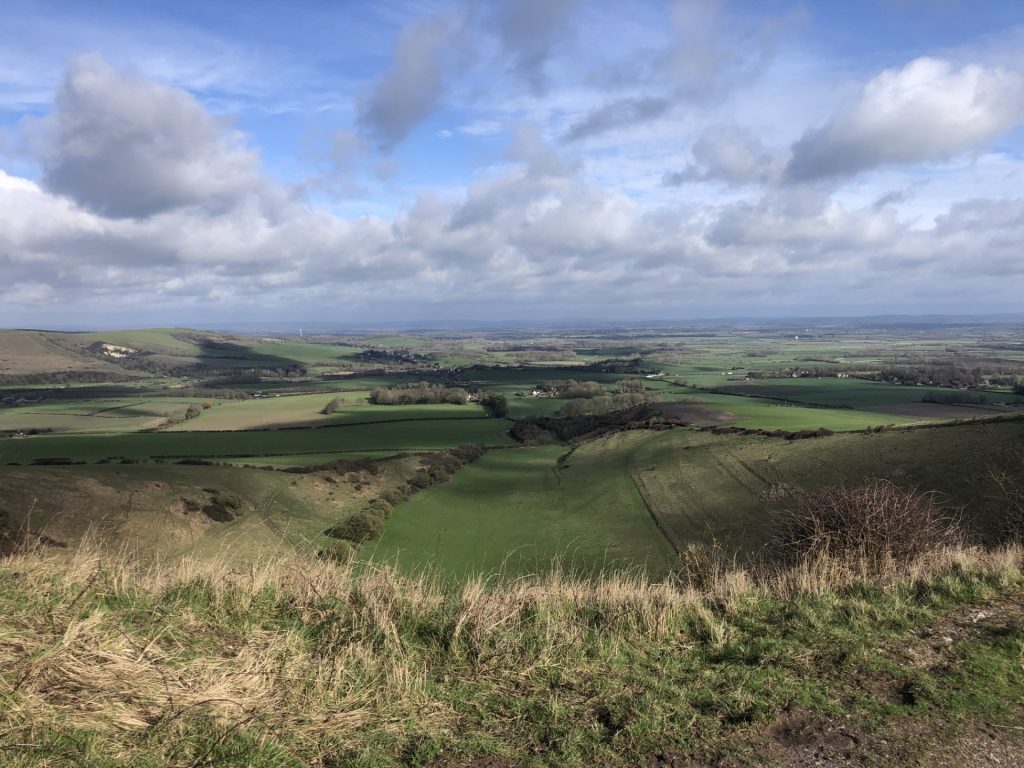
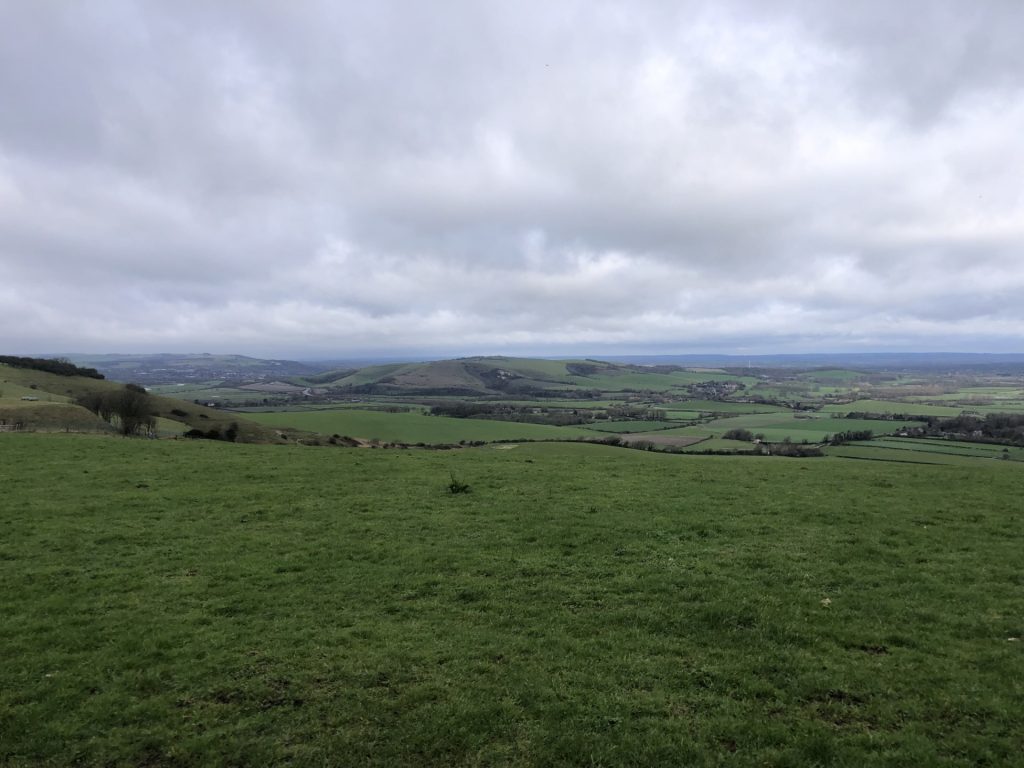
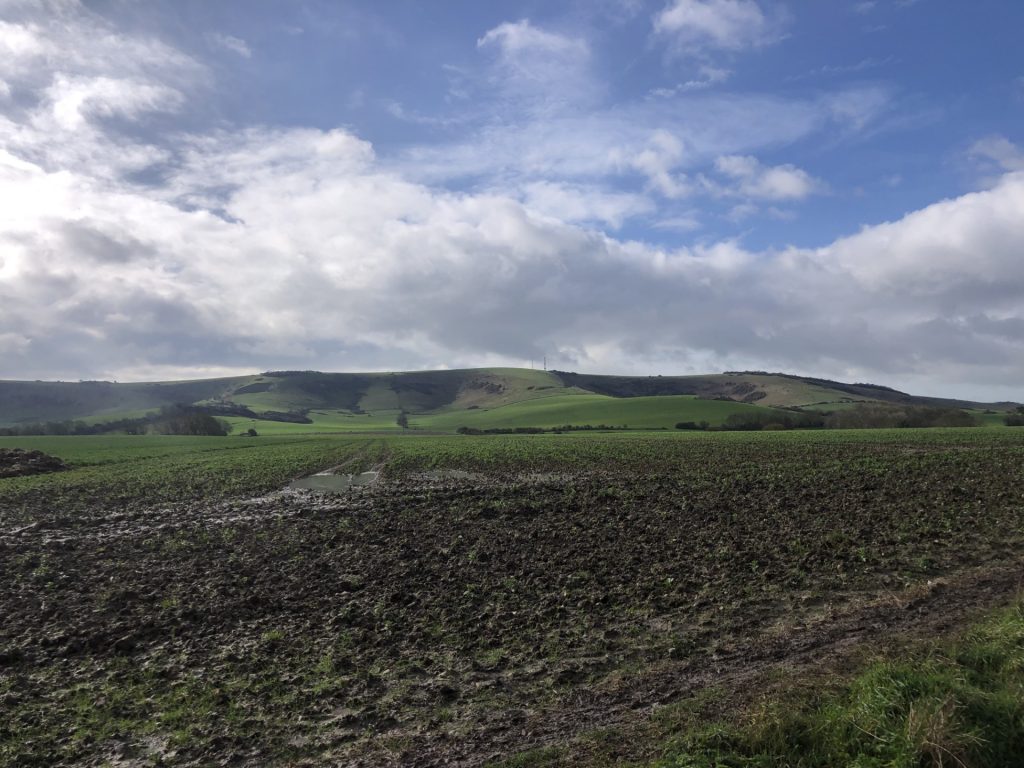
A walk along the South Downs Way from Firle Beacon provides stunning vistas of the Sussex landscape. Starting on the ridge, the path gives you huge, rolling views in every direction: the Weald stretching away in a patchwork of fields, the sweep of the Downs running east and west, and the sea glinting beyond Newhaven on a clear day. The South Downs Way here is spacious and airy, with long sightlines that make even a short walk feel expansive.
Dropping down towards Firle village, the landscape softens into a sheltered world of flint cottages, narrow lanes and the timeless calm of a traditional Downland estate village. Firle Park adds another layer of interest: sweeping parkland, ancient trees and the elegant presence of Firle Place set against the rising chalk behind it. Together, the ridge and the village create a walk that blends grandeur with intimacy—one of the most characterful stretches of the eastern Downs.
Cocking Hill & West Dean Woods
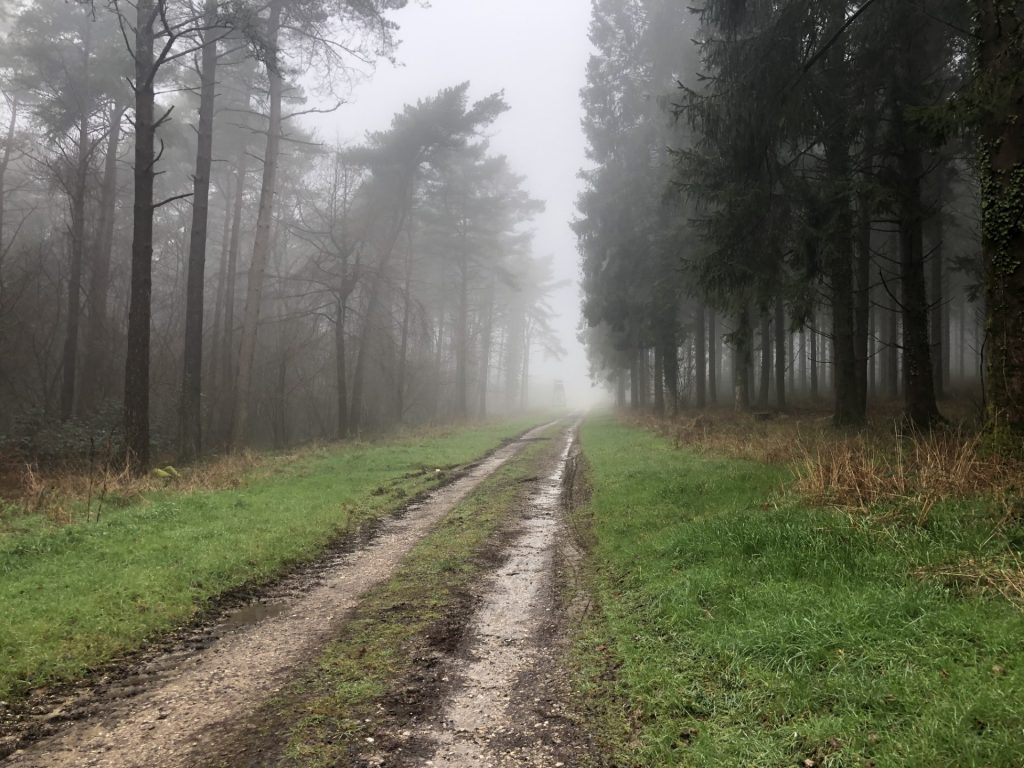
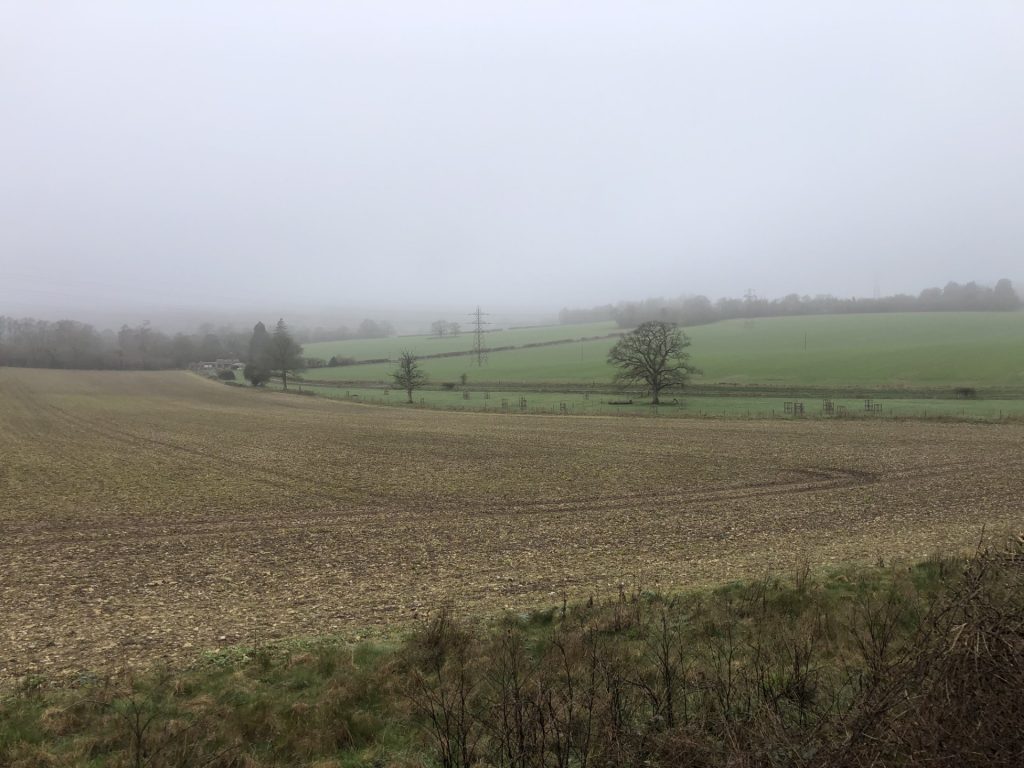
A misty March walk along the top of Cocking Down. The landscape opening in every direction: the Weald spreading away in a soft green mosaic, the chalk hills rolling east and west. That quiet, expansive atmosphere that makes the high Downs so restorative.
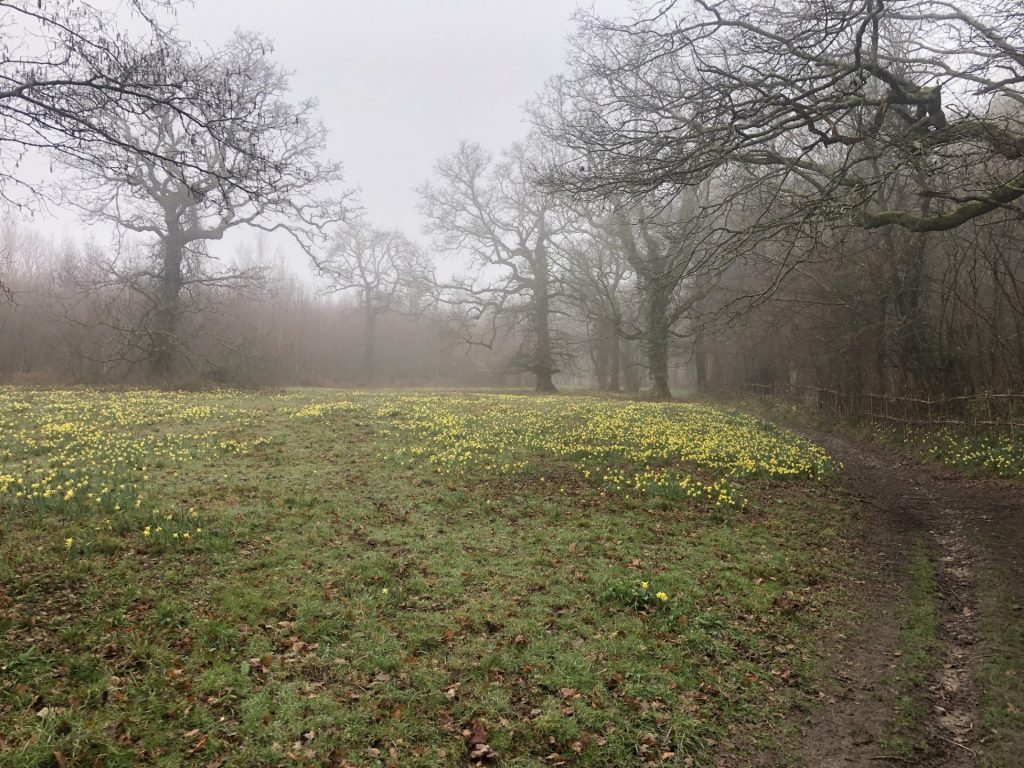
Dropping off the ridge into West Dean Woods, the open chalk gave way to deep, sheltered woodland. The paths wound through pockets of ancient woodland, mossy banks and hidden clearings alive with birdsong. We enjoyed the contrast between the airy Downs above and the enclosed world beneath the canopy.
Climbing back towards Cocking Down, the light opens again and the ridge reappears. It’s a route that blends height, tranquillity and rich woodland character.
Bignor Hill and Houghton Forest
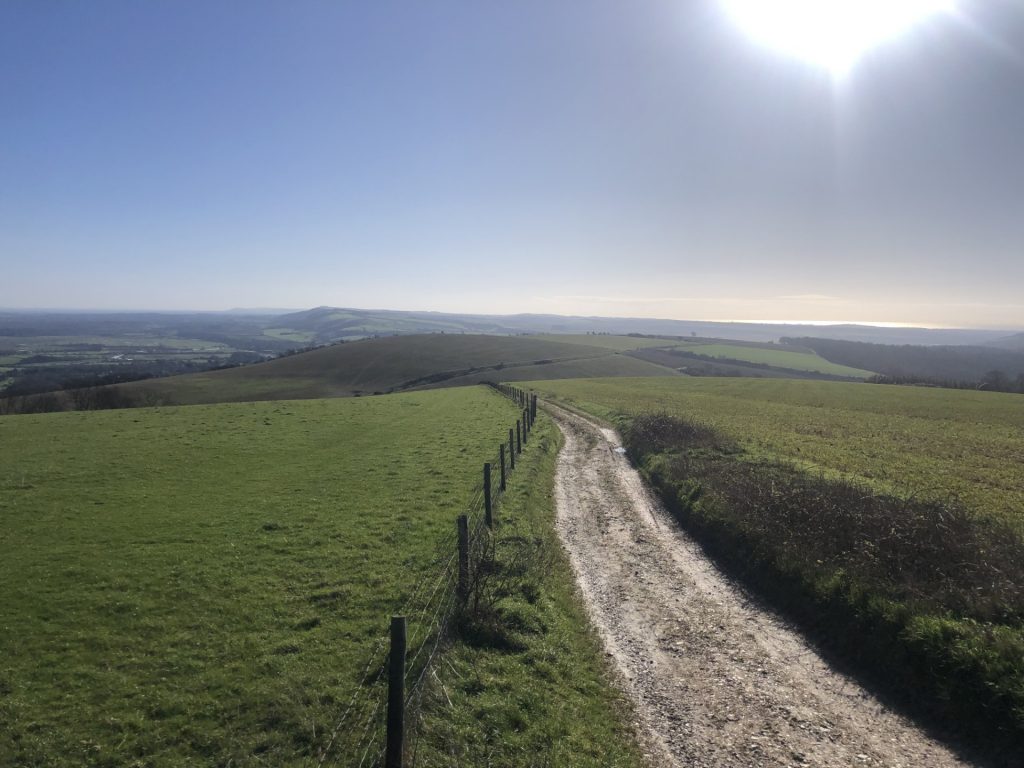
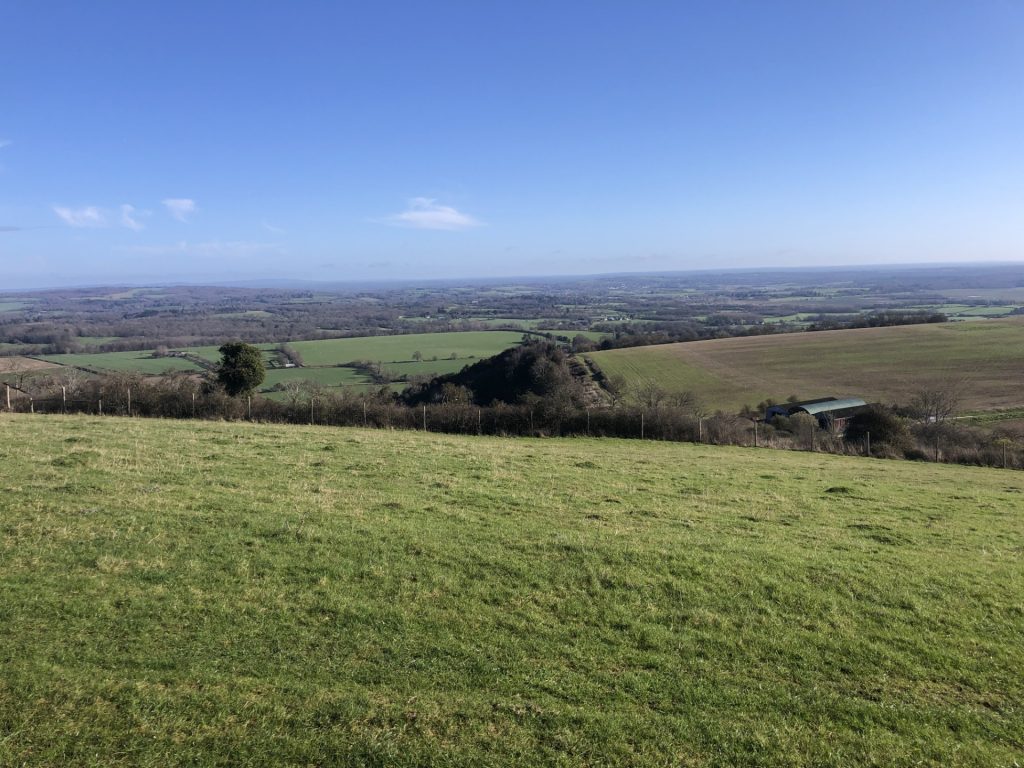
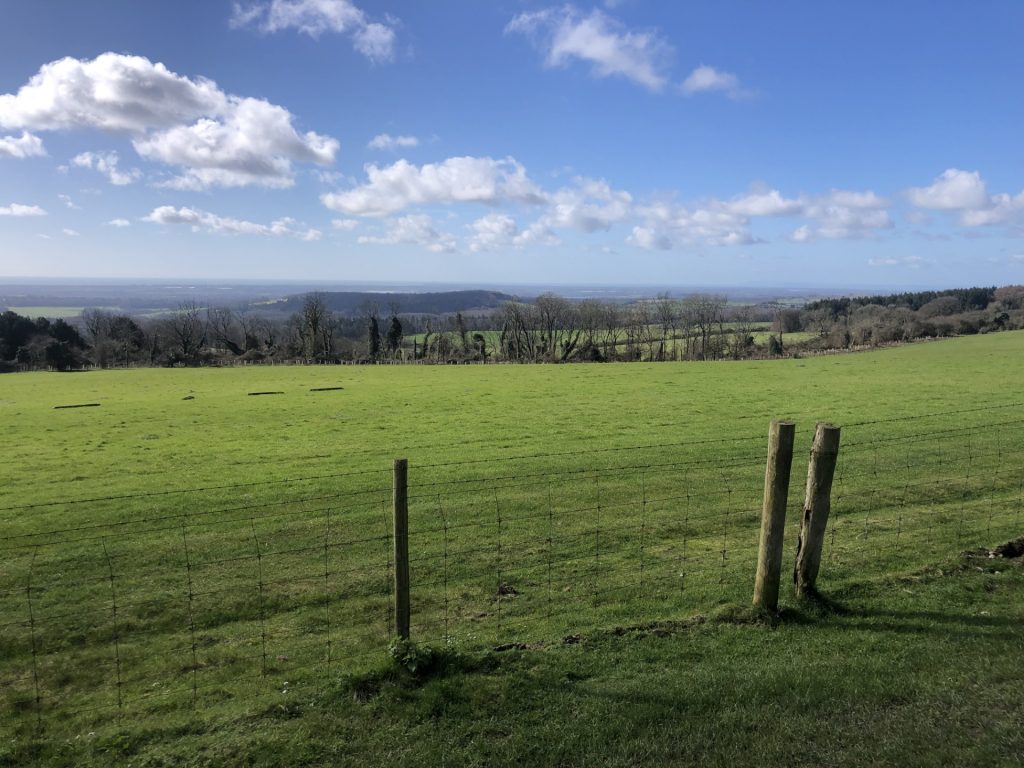
A walk along the top of Bignor Hill is one of the great experiences of the South Downs, particularly on a beautiful March day like this one. As you rise to the summit the landscape widens around you: the Weald spreading out in soft greens, the chalk hills rolling away towards Chanctonbury, and the sea in the distant background.
From the far side of the ridge, the descent into Houghton Forest brings a complete shift in atmosphere. The open chalk gives way to deep woodland, where tall conifers and beech create cool, sheltered corridors alive with birdsong.
The steady climb back up via “The Denture”, a distinctive, tooth‑like spur that cuts through the heart of the forest. It’s a wonderfully atmospheric ascent: filtered light, mossy banks, and a sense of moving through a hidden green valley before the trees finally thin and the Downs open out once more.
The combination of high ridgeline, deep woodland and that memorable climb makes this one of the most varied and satisfying loops in the western Downs.
Piddinghoe
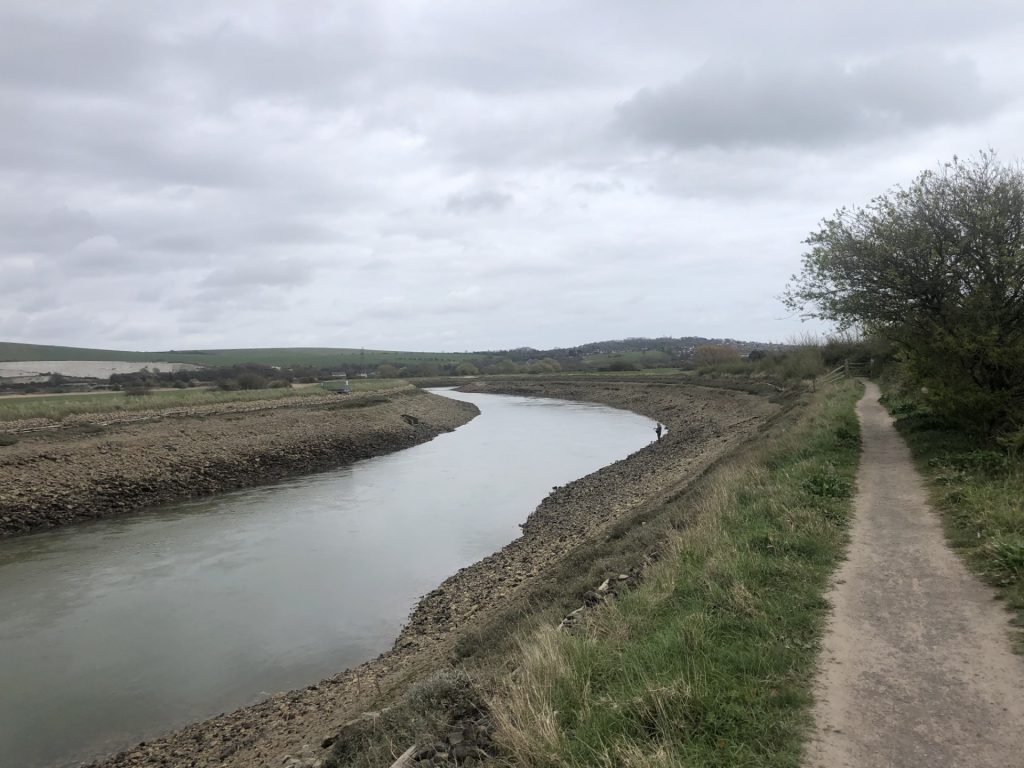
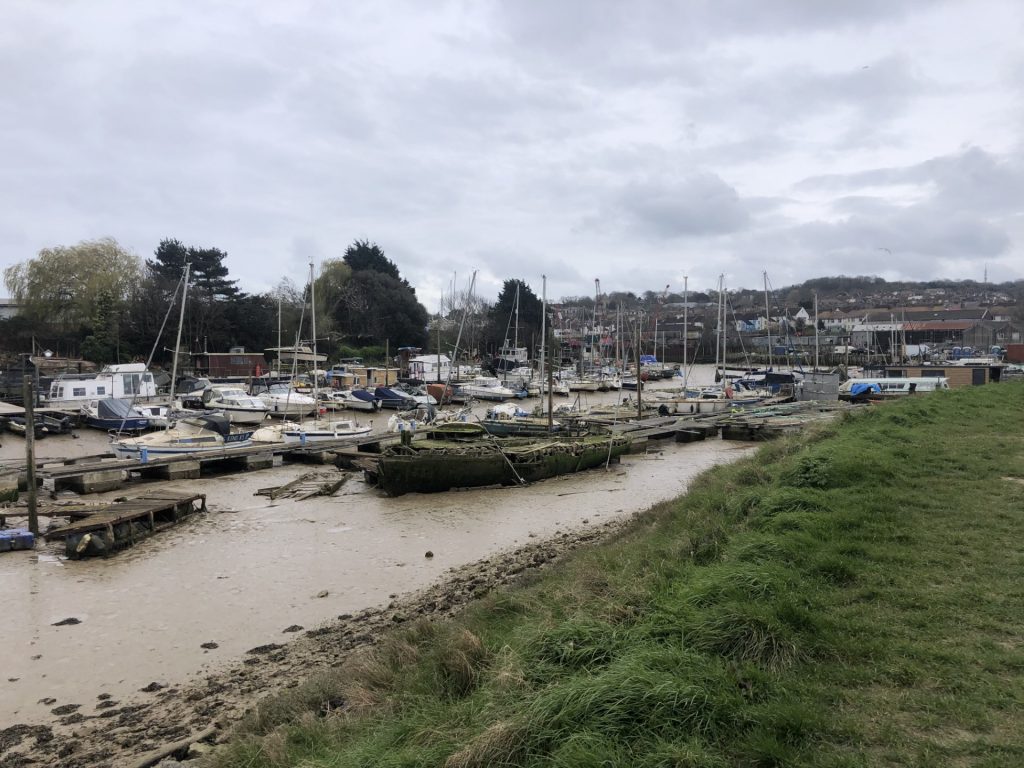
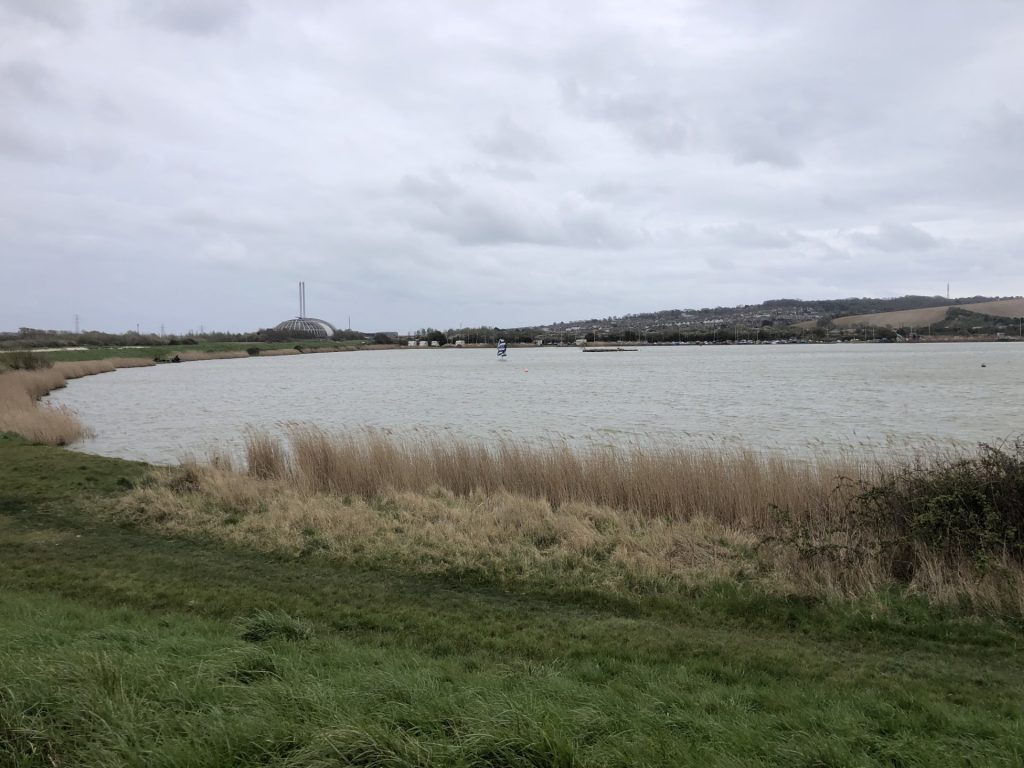
We started at the flint‑walled church in Piddinghoe, before heading out onto the riverside path. The River Ouse here is broad and unhurried, curving gently between grazing meadows and reed‑lined banks.
Reaching Riverside Park, the scenery shifted into a more open, recreational landscape where wide grassy areas and ponds attract birdlife.
Saddlescombe and Devils Dyke
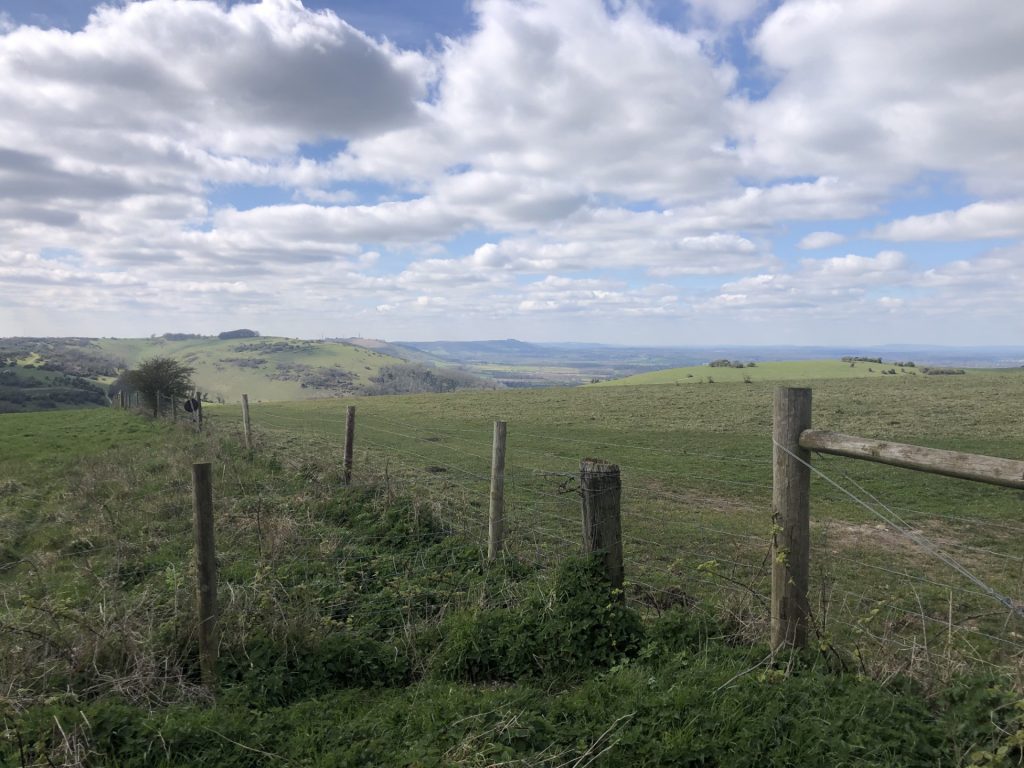
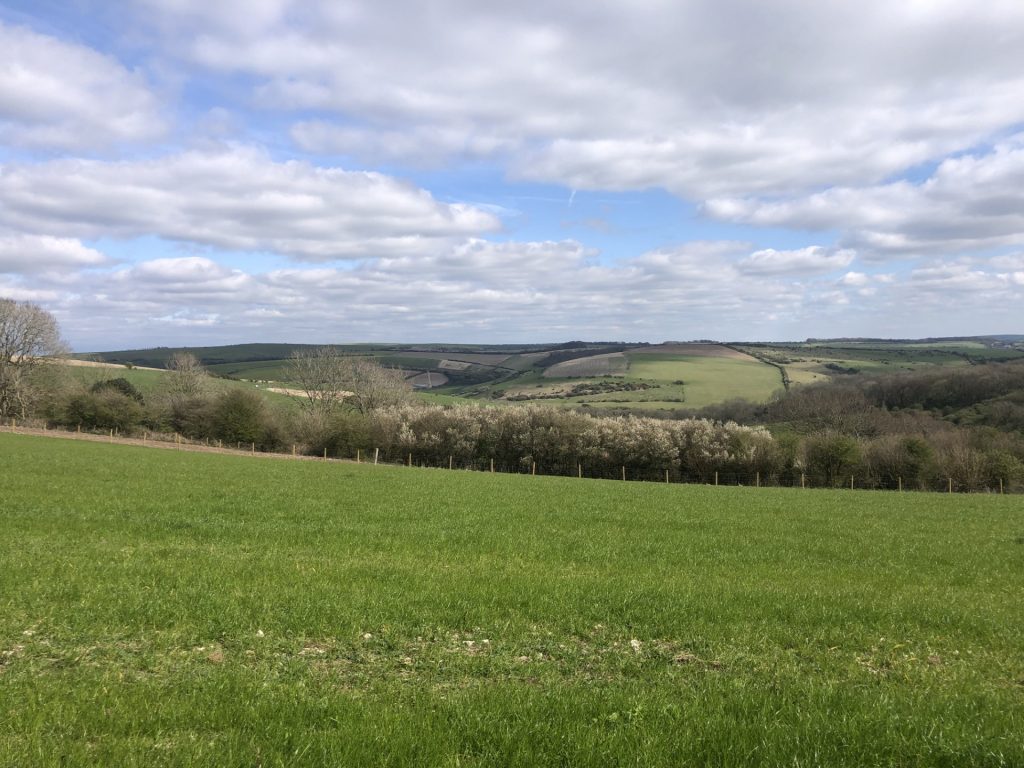
A walk heading east from Saddlescombe where the landscape feels open, airy and full of movement. The climb to East Hill is steady but rewarding, giving you widening views over the farm, the scarp and the long sweep of the Adur Valley. From here the ridge undulates towards West Hill. Joining the Sussex Border Path, the route settles into a wonderfully rhythmic stretch, with long views towards Truleigh Hill and the sea glinting behind you.
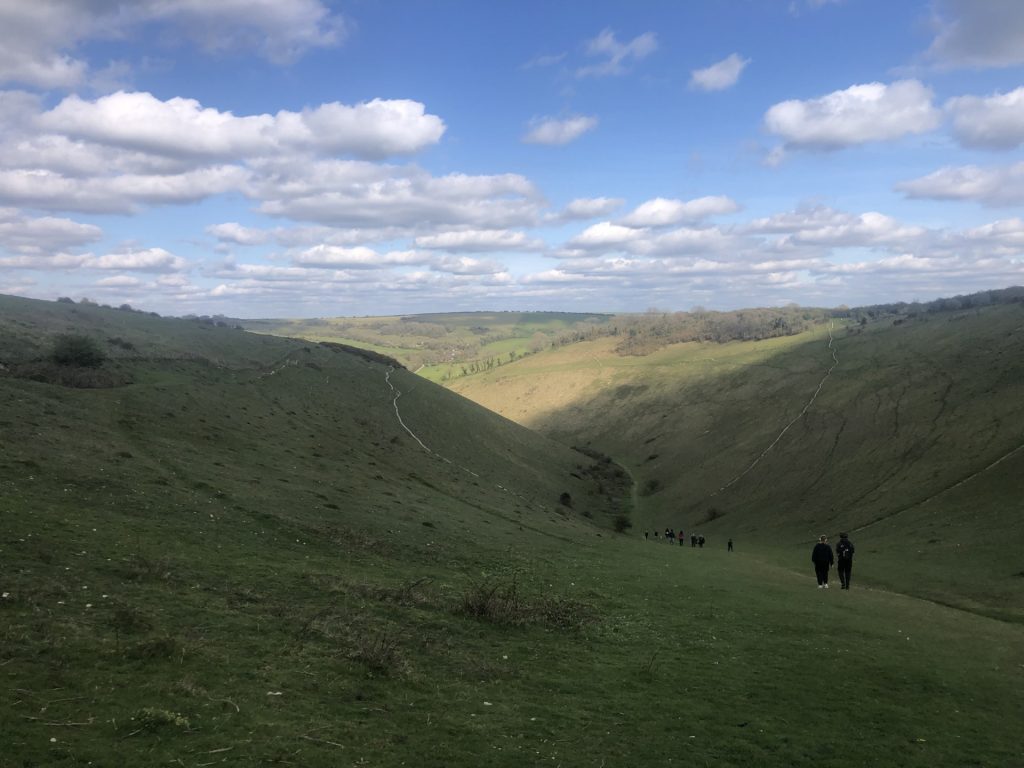
Circling the high ground around Devil’s Dyke adds a dramatic flourish. The valley opens beneath you in a vast, amphitheatre‑like sweep, its steep sides carved by ancient meltwater and still carrying that sense of geological drama. The path skirts the rim before dropping into the valley itself. Climbing gently back towards Saddlescombe, the landscape gathers itself into a final, satisfying rise, rounding off a walk that blends height, history and one of the most iconic landforms on the South Downs.
Wepham – South Downs Hare Walk
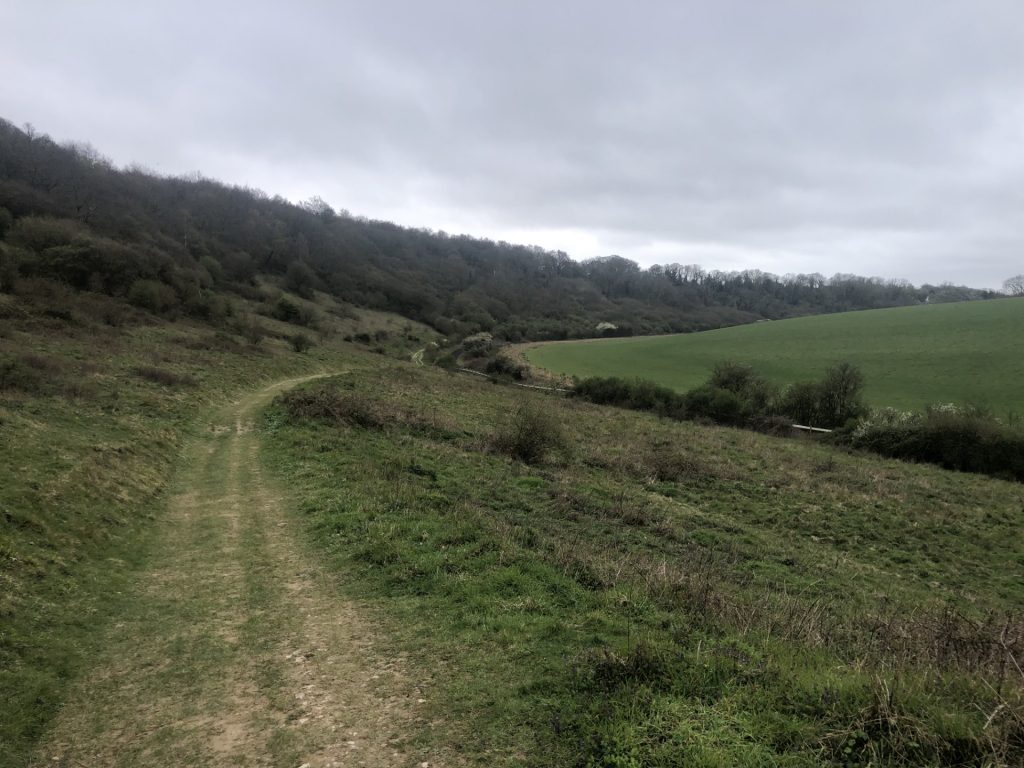
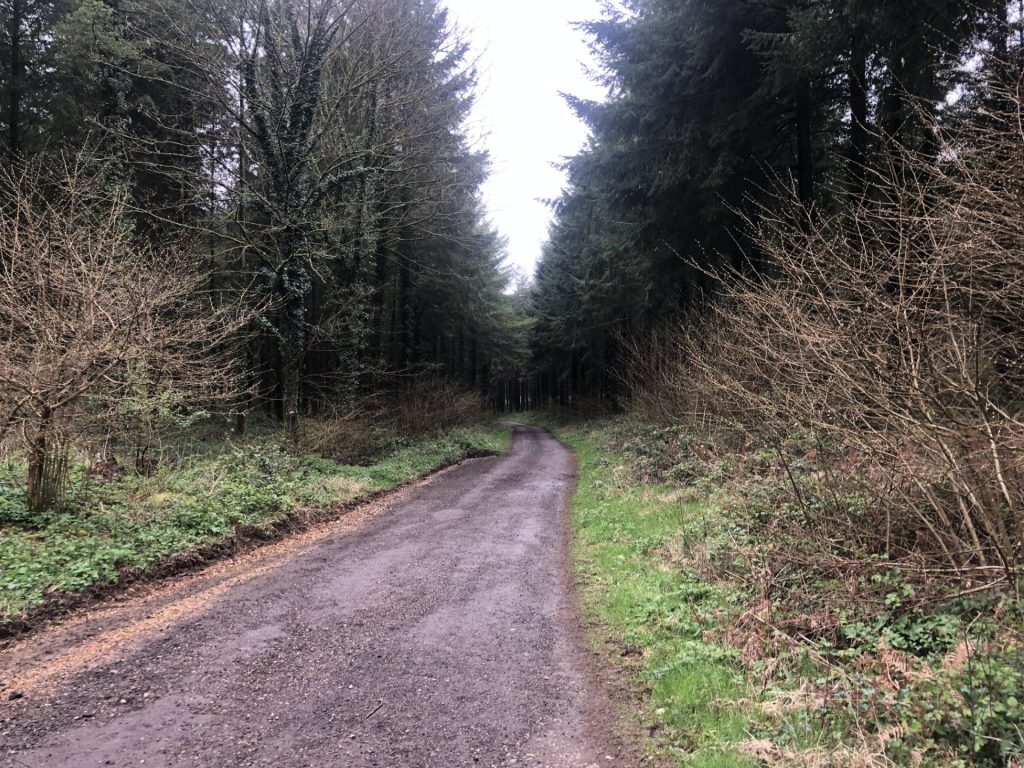
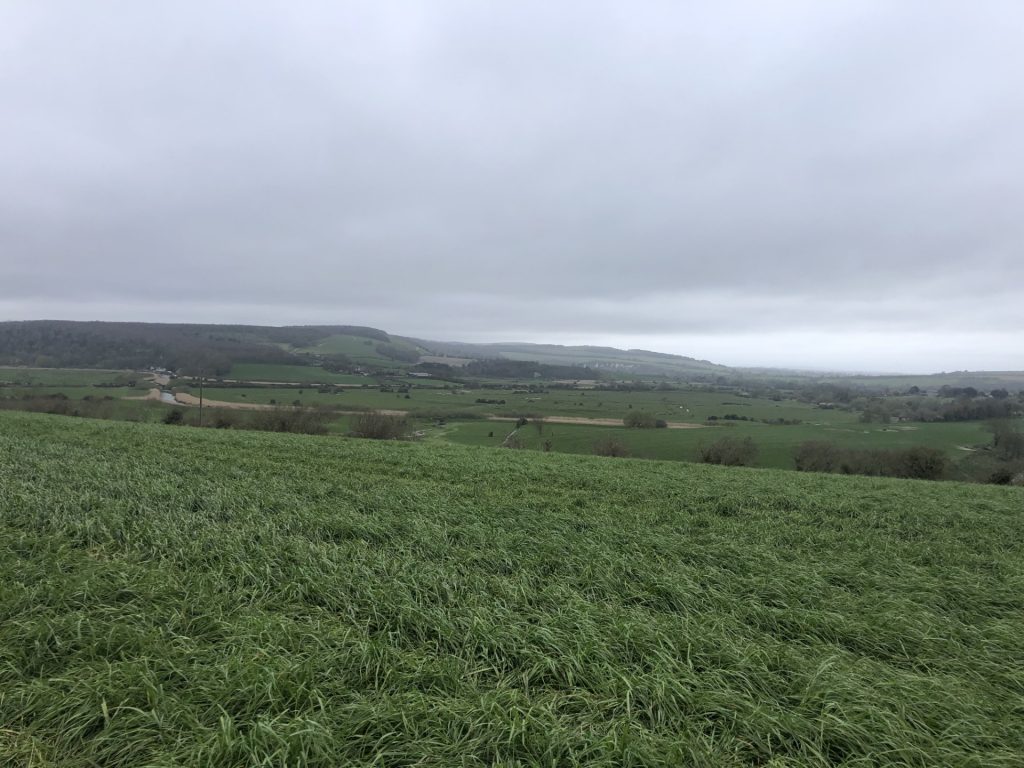
A walk from Wepham following the South Downs Hare Walk is a wonderfully varied circuit that captures the quiet charm of the Arun Valley and the wide, rolling openness of the Downs above it. Leaving the tiny hamlet, the route rises gently through farmland and open slopes, giving you early views across to Burpham and the winding line of the river. As you climb higher, the landscape broadens into classic chalk country—smooth contours, big skies and that uplifting sense of space that defines this part of the Downs. The path often feels delightfully unhurried, with hares sometimes seen darting across the fields that give the walk its name. Reaching the higher ground, the ridge offers long views towards Arundel, Bignor Hill and the wooded Weald beyond.
The return leg loops across more open downland before dropping gradually back towards the Arun Valley. As you descend, the valley reasserts itself—broad, peaceful and framed by the rising chalk on either side. The final approach to Wepham feels calm and timeless, with the cluster of flint cottages appearing just as the landscape gathers into its gentler lower contours. Altogether, the South Downs Hare Walk blends height, tranquillity and rich rural character, making it one of the most rewarding short circuits in this quieter corner of the Downs.